A Homeowner’s Guide to Timber External cladding

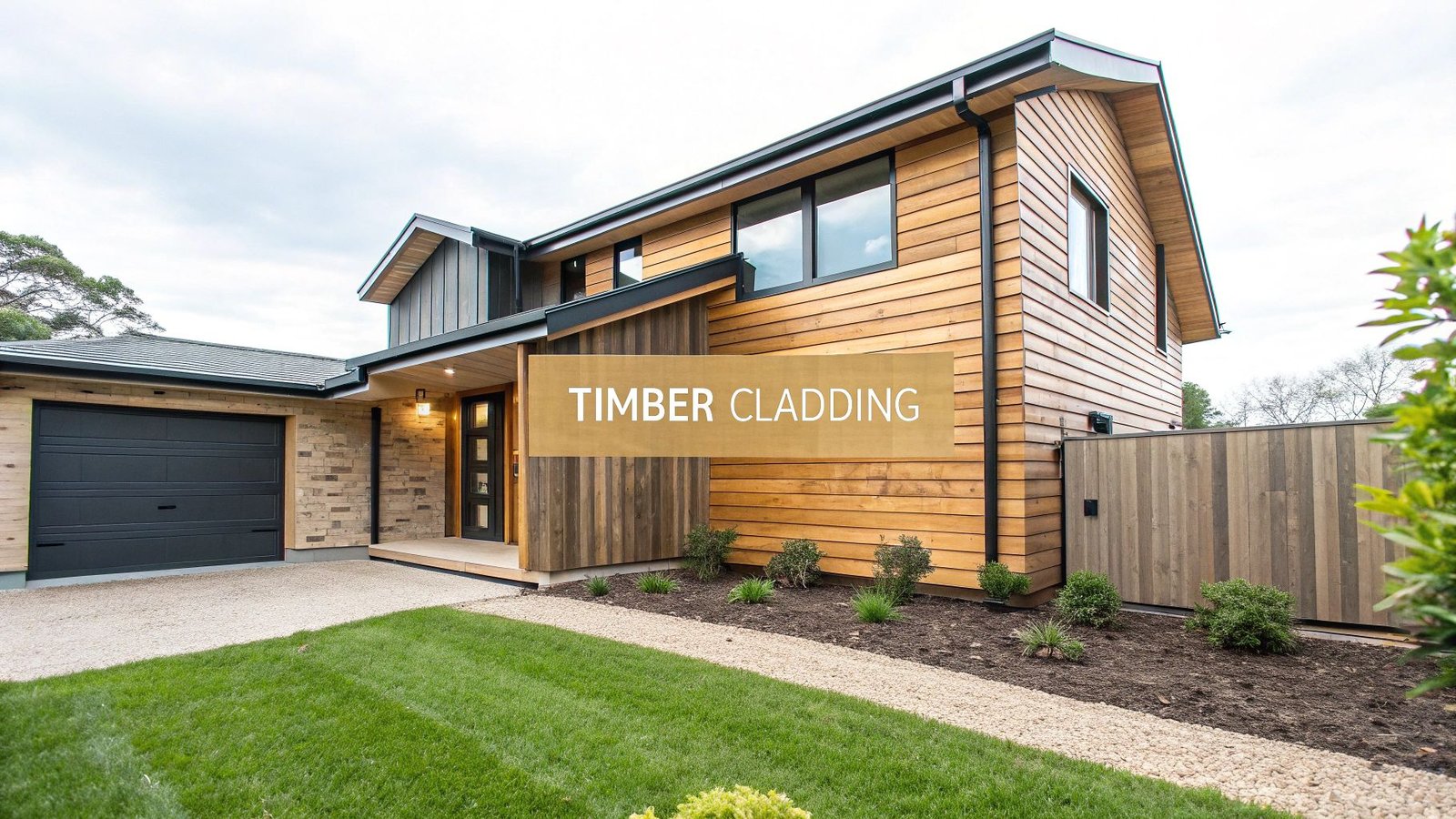
Think of timber external cladding as a beautiful, high-performance coat for your home. It’s that outer layer—that 'skin'—that not only gives a building its unique character but also shields its core structure from the British weather.
Understanding Timber External Cladding
At its heart, timber external cladding involves fixing wooden boards to the outside of a building. This practice is anything but new; it’s a traditional architectural feature that has protected homes from wind, rain, and changing temperatures for centuries. It’s the first line of defence, taking the hit from the elements so the structural walls underneath don't have to.
The idea of it being a 'raincoat for your house' really captures its main job.
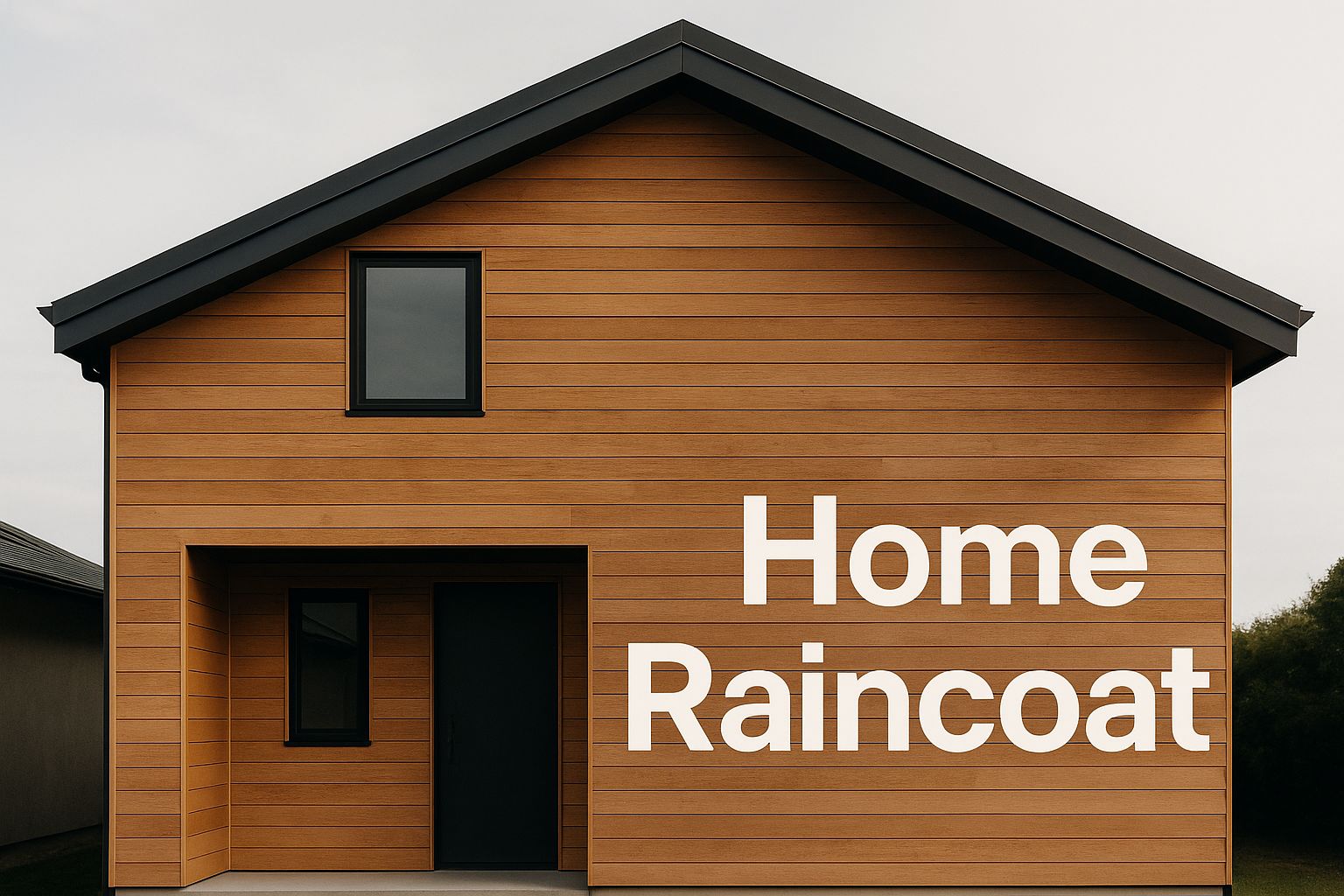
Just as a good coat keeps you warm and dry, timber cladding wraps your property in a protective layer, making it more comfortable and durable.
More Than Just a Pretty Face
Of course, the visual appeal is a huge part of its popularity. Timber can transform a bland facade into something warm, textured, and inviting. But the functional perks are just as compelling. Adding that outer wooden layer actually improves the building’s thermal performance. This means a better-insulated home, which often translates to lower energy bills because you're using less heating in winter and less air conditioning in summer.
To get the full picture, it helps to place it in the wider context of understanding siding in general.
This dual role of form and function has cemented its place as a top choice for new builds and renovations alike. In fact, back in 2023, the residential sector drove the largest share of the timber cladding market, thanks to its good looks, weather protection, and insulating qualities.
Key Functions and Benefits
Timber is incredibly versatile, allowing for a huge range of styles, from a rustic, barn-like feel to a sharp, contemporary look. Whatever the design, its core functions never change.
- Weather Protection: It acts as a robust shield against rain, snow, and wind, stopping moisture from getting into the building's main structure.
- Enhanced Insulation: Wood is a natural insulator, which helps keep the temperature inside more stable and boosts energy efficiency.
- Aesthetic Versatility: With so many wood species, profiles, and finishes available, you can achieve almost any visual style you can imagine.
- Structural Integrity: By protecting the walls beneath from direct exposure, cladding can significantly extend the life of the building itself.
Choosing the Right Wood for Your Home
Selecting the right timber for your home's exterior is a bit like picking the perfect coat for the British weather; it needs to look good, perform brilliantly, and last for years. Not all woods are created equal when it comes to timber external cladding, with each species offering a unique blend of character, durability, and cost. Getting to grips with these differences is the first step to making a choice you'll be happy with for decades.
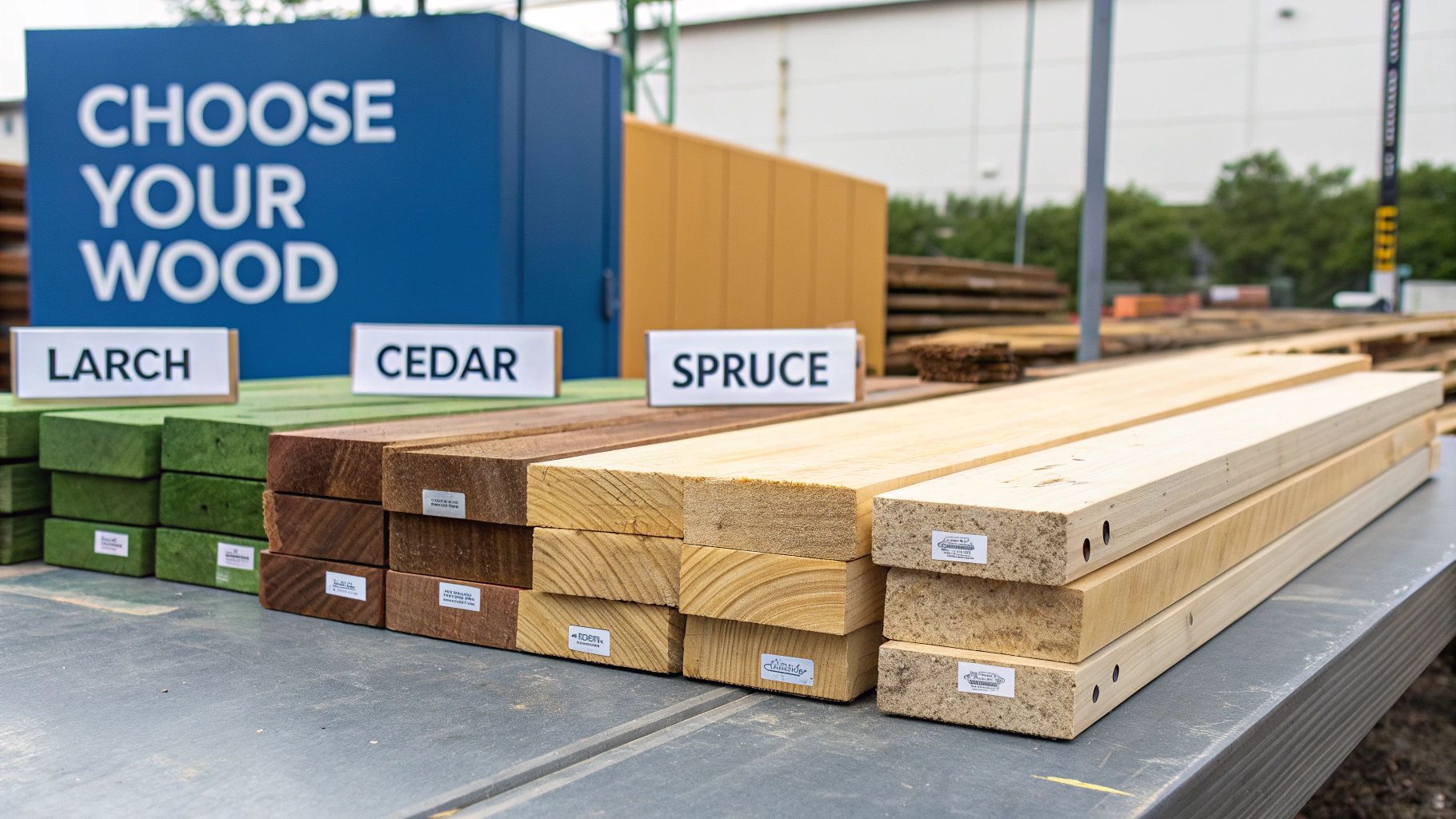
Some timbers are natural workhorses, born for the outdoors. Others need a helping hand from technology to prepare them for a life exposed to wind and rain. Ultimately, your decision will be a balance between the look you're after and practical things like your local climate and how much maintenance you’re prepared to do.
Natural Champions: Cedar and Larch
When it comes to natural resilience, a couple of species stand head and shoulders above the rest. Cedar and Larch are the undisputed front-runners in the world of untreated timber cladding.
-
Cedar: Famous for its stunning reddish-brown tones and incredible stability, Cedar is packed with natural oils that make it highly resistant to rot and insects. It's also lightweight and a dream to work with. You can leave it completely untreated, and it will slowly weather into a beautiful, silvery-grey patina over time.
-
Larch: Siberian Larch, in particular, is an excellent choice known for its density and high resin content. This natural defence mechanism makes it incredibly durable and resistant to decay, often giving it a lifespan of 50 years or more with the right installation. Its warm, golden-honey colour brings an inviting feel to any building.
These timbers are popular for good reason—they deliver a fantastic balance of beauty and brawn right out of the box.
Technology-Enhanced Timbers
For those chasing the ultimate in performance, modified timbers offer a glimpse into the future of wood technology. These are natural woods that have been put through a scientific process to beef up their inherent properties, making them exceptionally strong and long-lasting.
Modified timbers like Thermowood and Accoya represent a huge leap forward in wood engineering. By changing the wood at a molecular level, these processes create a material that is more stable, durable, and moisture-resistant than even many untreated tropical hardwoods.
Thermowood is made by heating wood to very high temperatures in a controlled environment. This process drastically reduces its moisture content, making it far more stable and resistant to rot. Accoya, on the other hand, is created through acetylation, a process that changes the wood's cell structure so it can no longer absorb water.
These options sit at the higher end of the price scale, but they come with impressive warranties, some stretching up to 50 years.
Cost-Effective Choices Like Spruce
While premium timbers offer incredible durability, your budget is always a key factor. This is where cost-effective softwoods like Spruce come into play.
On its own, Spruce isn't naturally tough enough for external use. However, once it's been properly pressure-treated with preservatives, it becomes a perfectly viable and affordable option. This treatment makes it an accessible entry point into the world of timber cladding without breaking the bank.
The Art of Charred Timber: Yakisugi
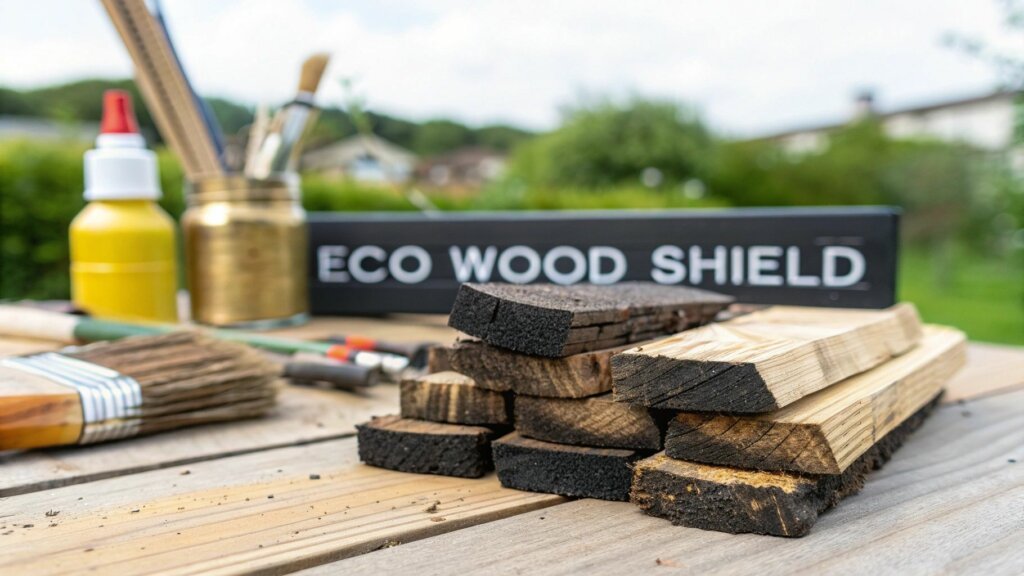
For a finish that is both ancient and strikingly modern, many architects and homeowners are turning to Yakisugi. This is a traditional Japanese method of preserving wood by charring its surface with fire.
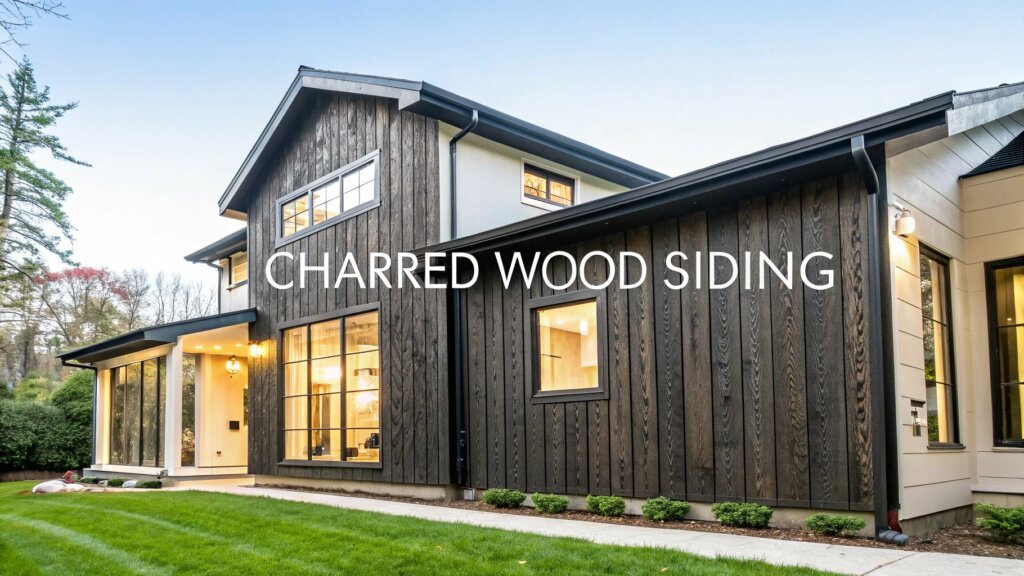
The technique, Yakisugi also known as Shou Sugi Ban, transforms the timber, creating a beautiful and incredibly resilient outer layer. The process involves carefully burning the surface, cooling it down, cleaning off the soot, and sometimes finishing it with a natural oil. The resulting carbon layer provides remarkable protection.
Here’s what makes Yakisugi so special:
- Enhanced Durability: The charring makes the wood naturally resistant to rot, pests, and even fire. That carbon layer is a powerful deterrent to insects.
- Stunning Aesthetics: It produces a unique, deep black finish with a distinctive texture, often described as looking like alligator skin. It creates a dramatic and sophisticated look that really stands out.
- Low Maintenance: Once installed, charred timber needs very little upkeep. The protective layer does all the hard work of shielding the wood underneath from the elements.
This ancient art form turns a simple building material into a statement piece. To find out more about which timbers work best for this and other outdoor projects, you can explore our guide on choosing the most weather-resistant hardwood for your needs.
Comparing Popular Timber Cladding Options
To help you weigh up your options, we've put together a simple comparison of some of the most popular timber species used for external cladding. This should give you a clearer idea of the trade-offs between cost, durability, and maintenance for each one.
| Timber Species | Durability Class | Typical Cost per m² | Key Characteristics | Maintenance Needs |
|---|---|---|---|---|
| Cedar | Class 2 (Durable) | £50 – £90 | Lightweight, stable, rich red-brown colour, natural oils resist rot. | Low; can be left to weather or oiled to retain colour. |
| Siberian Larch | Class 3 (Moderately Durable) | £35 – £70 | Dense, high resin content, durable, golden-yellow hue. | Low; weathers to silver-grey. Oil to maintain colour. |
| Treated Spruce | Class 3 (Moderately Durable) | £25 – £50 | Cost-effective, lightweight, pale colour. Durability depends on treatment. | Moderate; may need re-treating/staining every few years. |
| Thermowood | Class 1-2 (Very Durable) | £60 – £100 | Very stable, rot-resistant, dark brown colour, brittle. | Very Low; oiling recommended to prevent cracking. |
| Accoya | Class 1 (Very Durable) | £90 – £150+ | Extremely stable and durable, rot-proof, ideal for coatings. | Very Low; can be painted or left natural. |
| Charred Timber (Yakisugi) | Varies by species | £80 – £140 | Unique charred finish, fire/pest resistant, striking aesthetic. | Very Low; may need re-oiling every 10-15 years. |
Each of these timbers brings something different to the table. Whether you prioritise the natural beauty of Cedar, the high-tech performance of Accoya, or the unique look of Yakisugi, there's a timber cladding solution to match your vision and your home's needs.
The Real Benefits of Timber Cladding
Of course, timber cladding looks fantastic, but its appeal goes far deeper than the surface. It’s an investment that genuinely improves how a home feels and performs, delivering returns in energy efficiency, environmental impact, and pure design freedom.
https://www.youtube.com/embed/Zu-M9RVnmzY
One of its biggest, and often unsung, advantages is how well it insulates. Wood’s natural cellular structure is filled with tiny air pockets, creating an incredibly effective thermal barrier. What does that mean for your home? It stays warmer in the winter and cooler in the summer. This takes the pressure off your heating and cooling systems, which you'll notice in your energy bills.
A Greener Way to Build
In a world where every building choice matters, timber is a standout. Unlike materials that are cooked up in energy-hungry factories, wood quite literally grows on trees. Better yet, as it grows, it pulls carbon dioxide right out of the atmosphere.
When that wood is harvested from a well-managed forest and used as timber external cladding, it locks that carbon away for the life of your home. This process, known as carbon sequestration, turns your building into a tool for fighting climate change.
Choosing certified, sustainably sourced timber means you're not just building; you're creating a carbon sink. It's one of the most environmentally positive decisions you can make in a construction project.
Unbeatable Design Freedom
The creative potential of timber is second to none. It can be shaped, finished, and arranged to fit any architectural vision you can dream up, from the crisp, clean lines of a modern extension to the cosy, rustic feel of a countryside home.
This opens up a world of possibilities:
- Profiles: You could go for shiplap for a classic, weather-tight look, tongue-and-groove for a smooth, seamless finish, or board-on-batten for a more traditional, layered texture.
- Orientation: Laying the boards horizontally gives a classic feel, while a vertical installation can make a building feel taller and more striking. You can even run them diagonally for a bold, contemporary look.
- Finishes: You can leave it to weather naturally to a beautiful silver-grey, treat it with a clear oil to bring out the grain, or paint it any colour under the sun.
A Favourite on the Building Site
There’s another reason builders love working with timber: its incredible strength-to-weight ratio. For how strong it is, wood is surprisingly light.
This has a real impact on the build. Because it’s lighter than brick, stone, or composite panels, it often doesn't need such heavy-duty foundations or structural support. This can speed up construction, cut down on labour, and even reduce the overall project cost. For the people on the tools, timber external cladding is simply a smart, efficient material to work with.
Getting Your Installation Right
You can choose the most beautiful, durable timber in the world, but if it’s not installed correctly, it's all for nothing. A successful installation isn’t about complicated techniques; it’s about getting the fundamentals spot on. You’re essentially creating a system that shields your home from the weather while letting the wood breathe and adapt.
Think of it like a high-performance raincoat. The fabric is crucial, of course, but it’s the seams, zips, and vents that truly keep you dry and comfortable. It’s exactly the same with cladding.
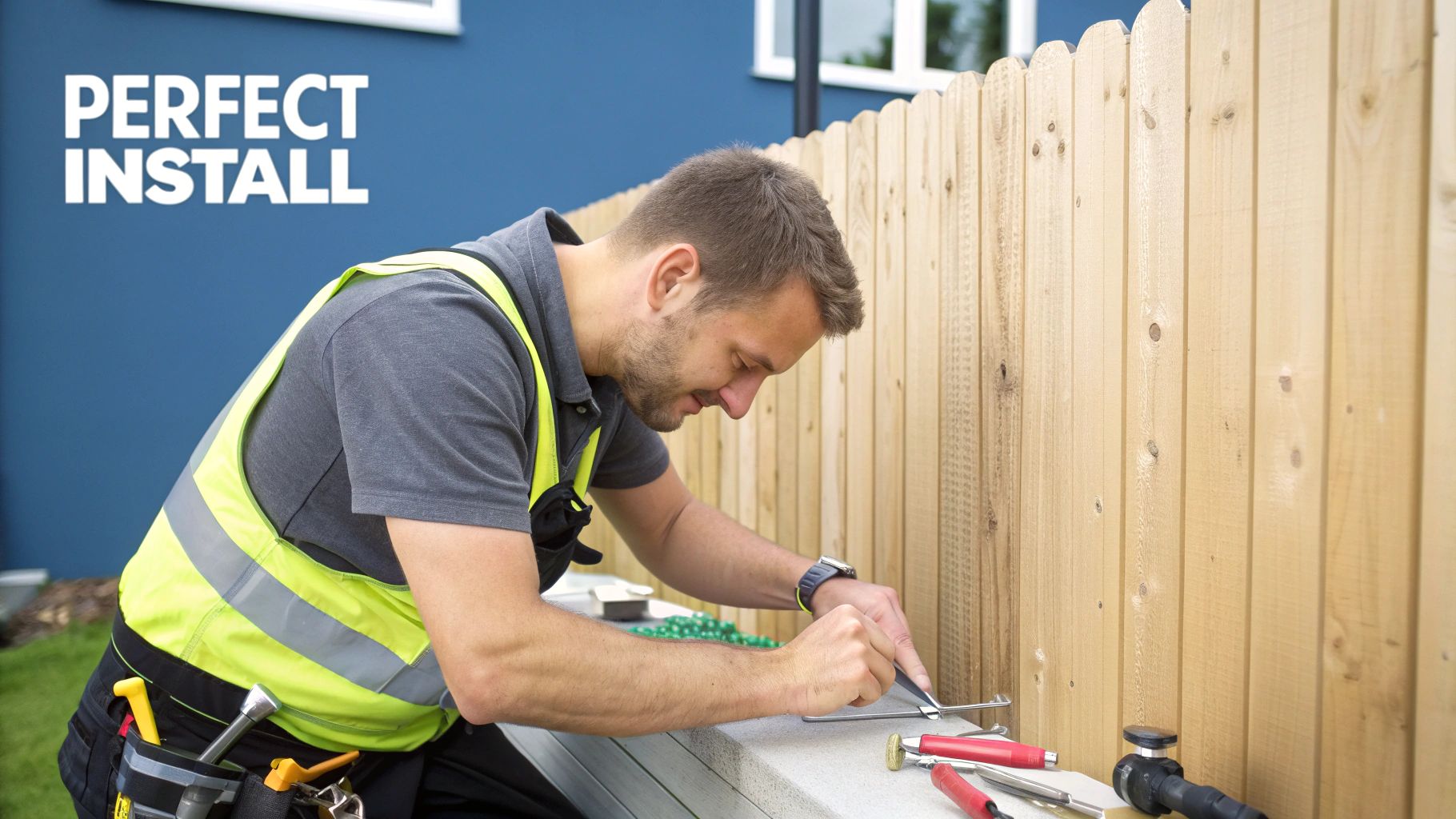
If there’s one principle to take away, it’s ventilation. Timber is a natural material that reacts to its surroundings, and trapping moisture behind the boards is a recipe for disaster. This is why a properly detailed ventilation gap isn't just a good idea—it's non-negotiable.
The All-Important Ventilation Gap
Imagine wearing a waterproof jacket pressed right up against your skin. It wouldn't take long before you felt clammy and damp as moisture gets trapped. Timber cladding is no different. A ventilation gap, which is typically a cavity of at least 25mm between the back of the cladding and the building's weatherproof membrane, is absolutely essential.
This space allows air to circulate freely behind the boards. It’s a simple but brilliant feature that whisks away any moisture that finds its way in or forms as condensation. This prevents rot, mildew, and fungal growth, massively extending the life of your cladding. It’s a small detail that makes a world of difference.
Choosing Your Installation Profile
The profile of your timber boards doesn’t just define the look; it also dictates how the boards lock together to fend off the weather. Each profile offers a unique appearance and a different level of protection, so the choice is a balance of style and function.
Here are the most common profiles you'll come across:
- Shiplap: This is a classic. The boards have an L-shaped recess that lets them overlap, creating strong shadow lines and doing a fantastic job of shedding water. The overlap forms a great seal against wind-driven rain.
- Tongue and Groove (T&G): With T&G, the boards fit together perfectly thanks to a protruding 'tongue' on one edge slotting into a 'groove' on the next. This gives you a smooth, continuous surface that's highly weather-resistant, ideal for a sleek, modern finish.
- Board-on-Batten: This is a more traditional method. You start by fixing wide vertical boards, then cover the joints with narrower strips called battens. The result is a layered, textured look with really robust weather protection.
The profile you choose will have a huge impact on your home's character, from the clean lines of T&G to the rustic charm of board-on-batten.
Fixings and Detailing Matter
It’s the small details that separate a professional job from a future failure. The fixings you use are a perfect example—get them wrong, and you can end up with ugly stains and corrosion.
Always use stainless steel or other high-quality, corrosion-resistant fixings. Standard galvanised nails or screws will react with the natural tannins in timbers like Cedar and Oak, causing black rust streaks to run down your beautiful new cladding.
Beyond fixings, paying close attention to the detailing around vulnerable spots like windows, doors, and corners is vital. These are the places water will try to sneak in. Proper flashing, seals, and treating the end-grain in these areas are what make the entire system watertight and built to last.
For a more detailed breakdown, our comprehensive guide on the installation of cladding is a great resource. Getting these details right from the start is the best way to protect your investment for decades to come.
Long-Term Care and Maintenance Secrets
Let’s bust one of the biggest myths about timber external cladding: that it’s a constant, high-maintenance headache. The truth is, it’s really not. Once you understand how wood behaves in the elements and get into a simple rhythm of care, your cladding will look fantastic and perform brilliantly for decades.
The very first decision you’ll make sets the stage for everything else. Do you want to let the wood age naturally, or do you want to keep that ‘just installed’ colour? There's no right or wrong answer here—it’s all down to the look you love.
The Beauty of Natural Weathering
If you leave it alone, timber cladding does something quite remarkable. It ages gracefully. The sun and rain work together to slowly break down the pigments on the surface, eventually turning the wood a beautiful, silvery-grey. This is a completely natural patina, and for tough species like Cedar and Larch, it doesn’t affect the wood’s strength or lifespan one bit.
Choosing this path is about as low-maintenance as it gets. A gentle wash-down once a year with a soft brush and some water is usually all it takes to clear off any cobwebs and surface grime, keeping it looking crisp and elegant.
Preserving the Original Wood Tones
If you’re in love with the warm, rich tones of your timber when it was brand new, then you’ll need to be a bit more hands-on. The main goal here is to protect the wood from UV rays, and that means applying a protective finish.
Your main options are:
- UV-Protective Oils: These treatments soak deep into the wood, feeding the grain and shielding it from the sun. You’ll likely need to reapply them every two to five years, depending on the product and how exposed your home is to direct sunlight.
- Stains and Paints: For a more solid colour or a finish that lasts longer, stains and opaque paints are fantastic defenders. A good quality stain can last for 5-7 years, while a properly applied paint system might not need a touch-up for a decade or more.
For a deeper dive into the pros and cons of different finishes, our guide on how to protect wood outdoors is packed with practical tips to keep your timber looking its best.
Routine Cleaning and Inspection
Whether you’ve treated your cladding or left it to weather naturally, a yearly check-up is a great habit to get into. This simple routine is your best defence against small issues turning into big problems.
A quick annual inspection is the most powerful tool you have for prolonging the life of your timber cladding. Look for any signs of trapped moisture, dirt build-up in corners, or physical damage. Early detection makes any remedy simple and effective.
While you're inspecting, give the cladding a gentle clean. You’re looking to remove any build-up of dirt, algae, or mildew, especially on north-facing walls that don't see much sun. A simple solution of mild soap and water usually does the trick.
Beyond a simple clean, knowing what to look for when it comes to water intrusion is vital for protecting your home. To get familiar with the tell-tale signs, check out these critical signs of water damage. By combining regular, gentle care with an informed eye, your timber external cladding will be a feature you can be proud of for a lifetime.
Sustainability and Sourcing Your Timber
Choosing timber external cladding isn’t just about looks or performance; it's a real statement about your commitment to building better. But the green credentials of your project all come down to one crucial thing: where that wood actually came from. Getting this right connects your home to a much bigger, more positive story about looking after our world’s forests.
It’s about making sure your beautiful new facade isn’t contributing to deforestation or poor forestry practices. You have to look beyond the grain and colour to understand the journey the timber has taken. By deliberately choosing responsibly sourced wood, you become part of a sustainable cycle that supports healthy ecosystems and the communities that depend on them.
What Do the Labels Mean? Understanding FSC and PEFC
When you're looking at timber options, two acronyms are your best friends: FSC (Forest Stewardship Council) and PEFC (Programme for the Endorsement of Forest Certification). The simplest way to think of them is like a "fair-trade" stamp, but for wood. They are independent, non-profit bodies that set incredibly high standards for how forests are managed.
Spotting an FSC or PEFC logo on your cladding is your guarantee that it's been harvested responsibly. It means the forest is managed in a way that protects wildlife, respects the rights of local and indigenous people, and ensures it will be around for generations to come.
Choosing FSC or PEFC certified timber is the single most effective way to ensure your project supports well-managed forests. It’s a clear signal to the market that you demand sustainability, driving positive change throughout the supply chain.
The UK Timber Market: A Story of Supply and Demand
The UK has a huge appetite for timber, and it's only getting stronger. To meet the demand for construction materials, including cladding, we import a large amount of wood. At the same time, we have a thriving homegrown timber industry, with fantastic species like Larch and Scots Pine being brilliant, locally-grown choices for external use.
Recognising timber's potential as a low-carbon building material, the UK government is now actively encouraging its use. This official backing is lighting a fire under the market. In fact, the UK timber cladding market was valued at around USD 1.09 billion in 2024 and is expected to skyrocket to USD 2.15 billion by 2032. That’s a compound annual growth rate (CAGR) of 8.9% from 2026 onwards. You can read more about the UK timber cladding market growth on Verified Market Research.
The table below gives a snapshot of the current supply and demand picture in the UK, highlighting just how reliant the nation is on imported timber to meet its construction needs.
UK Timber Supply vs Demand Key Statistics
| Metric | Value/Figure |
|---|---|
| UK Annual Timber Consumption | 12 million m³ (approx.) |
| Domestic Softwood Production | 3.5 million m³ (approx.) |
| Self-Sufficiency in Timber | 19% |
| Reliance on Timber Imports | Over 80% |
As the data shows, there's a significant gap between what the UK produces and what it consumes. This makes sustainable sourcing, whether from domestic or international forests, absolutely critical.
The Government's "Timber in Construction Roadmap"
A major force behind this shift is the government's Timber in Construction Roadmap. It’s basically a national plan to get more wood used in building projects up and down the country. The roadmap sets out how to boost our domestic timber supply, upskill the workforce, and tackle outdated myths about timber, especially around fire safety.
So, what does this mean for you?
- More Choice: You can expect to see a wider range of high-quality, innovative timber products hit the market.
- Simpler Standards: The plan aims to streamline building regulations, making it easier for architects and builders to specify timber with confidence.
- A Boost for Britain: By choosing homegrown timber when it’s the right fit, you’re supporting local jobs and cutting down on transport emissions.
Ultimately, this is all part of a move towards a smarter, more sustainable construction industry, with timber right at the heart of it. By simply asking where your wood comes from and looking for those crucial FSC or PEFC certifications, your cladding project becomes a small but meaningful part of this vital shift.
Common Questions About Timber Cladding
Even after weighing up all the benefits and options, it's completely normal to have a few final questions before taking the plunge with timber external cladding. Getting clear, honest answers can be the last step you need to feel confident about your decision. Let's tackle some of the most common queries we hear from homeowners.
How Long Does Timber External Cladding Last?
This is usually the first thing people ask, and for good reason. The lifespan really boils down to three key things: the type of wood you choose, how well it’s installed, and the way you look after it.
Hardy, naturally resilient timbers like Cedar or Siberian Larch can easily last 40-60 years, sometimes even longer, if they're fitted correctly. Then you have high-tech modified woods, like Accoya, which can come with warranties stretching up to 50 years. But honestly, the single most important factor is a professional installation that includes a proper ventilation gap. This simple detail is crucial for stopping moisture from getting trapped behind the boards, which is the number one cause of premature rot.
Is Timber Cladding a Fire Risk?
It's a very sensible question. While wood will burn, it does so in a surprisingly predictable way. As it burns, it forms a protective layer of char on the outside. This char acts as an insulator for the wood underneath, slowing down the rate of combustion. In some fire situations, this unique property means a timber structure can actually hold its own for longer than an unprotected steel frame.
It's crucial to know that many timber cladding products can be treated with fire retardants at the factory to meet strict UK Building Regulations, achieving classifications like Class B or Class 0. Traditional charring techniques like Yakisugi also naturally make the wood more resistant to fire. Always speak to your builder to make sure your project is fully compliant.
What Is the Cost of Timber External Cladding in the UK?
The price tag on timber cladding can swing quite a bit, depending on the wood species, the profile of the boards, and any special finishes you opt for.
Here’s a rough guide to help you budget:
- Affordable Options: Treated softwoods like pine or spruce are the most wallet-friendly, usually starting from £25-£40 per square metre.
- Mid-Range Choices: Popular and durable choices like Siberian Larch and Cedar sit in the middle, typically costing between £50 and £90 per m².
- Premium Selections: At the top end are modified timbers like Accoya and specialist finishes like charred timber (Yakisugi), which often start from £100 per m² and go up from there.
Just remember, these are material costs. The cost of labour for installation will be a separate, additional figure in your overall project budget.
Ready to transform your property with a finish that combines timeless beauty with exceptional durability? The team at TimberSol specialises in creating stunning charred timber cladding using the traditional Yakisugi method. Explore our range of high-quality, sustainable solutions at https://timbersol-backup.elnoirstudio.com and let us help you bring your vision to life.