A Guide to Non Toxic Wood Preservatives

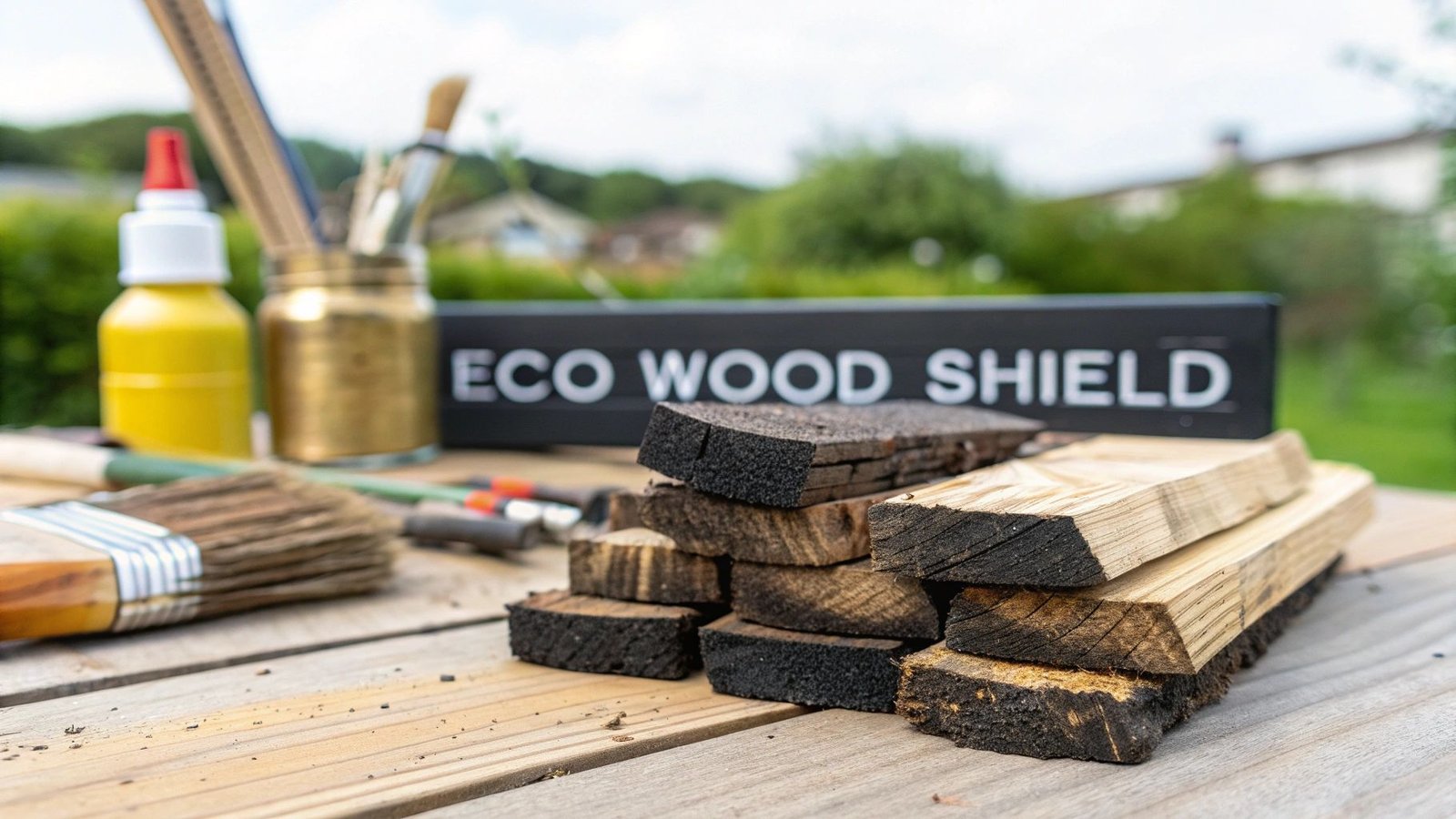
Non-toxic wood preservatives are natural or water-based solutions designed to protect timber from moisture, rot, and insects without using harmful chemicals such as CCA or creosote, ensuring safety for people, pets, and the environment.
Non-toxic wood preservatives protect timber by replacing toxic chemicals with safer alternatives such as natural oils, borates, water-based treatments, and Yakisugi charring. This article explains how these methods work, compares their effectiveness, outlines modern industry standards, and provides practical application tips.
Why Choose Non Toxic Wood Protection?
For many years, standard wood treatments relied on strong chemicals such as creosote and Chromated Copper Arsenate (CCA). While effective in extending the lifespan of timber, these substances are now known to carry significant health and environmental risks, including the leaching of toxins into surrounding soil and air.
This growing awareness has driven the industry toward a much better direction. Non-toxic wood preservatives aim to achieve the same level of durability without the associated risks. Rather than relying on toxic substances to eliminate threats, these alternatives work by modifying the wood’s properties, making it less attractive to pests and less susceptible to moisture.
As a result, they create a protective barrier that supports better indoor air quality and does not pose risks to people, pets, or plants.
A Safer Standard for Wood Treatment
The shift towards safer materials is not just a passing trend—it is driven by evolving regulations and a deeper understanding of the risks. In the UK, the transition away from toxic wood preservatives accelerated significantly following strict limitations on traditional chemical treatments.
Take CCA, for example. It was widely used for decades but was banned for residential use across the UK and EU in 2004 due to its heavy metal content. This marked a major turning point, forcing the industry to innovate and paving the way for the widespread adoption of safer alternatives like Alkaline Copper Quaternary (ACQ), which offer fantastic protection without the old hazards.
Choosing non-toxic solutions does not mean sacrificing performance. It means adopting smarter, more sustainable methods that deliver long-lasting protection while maintaining healthy living environments—for both people and the planet.
To better understand what makes wood inherently safe, it is useful to look at examples such as those highlighted in guides on Non Toxic Aspen Wood. These examples help frame the broader approach to achieving effective, eco-friendly protection for timber—whether through the wood’s natural properties or through modern, safe treatment methods.
How Natural Preservatives Protect Wood
Natural preservatives protect wood through smart, science-based mechanisms rather than aggressive chemical action. While traditional treatments rely on biocides to eliminate threats, non-toxic wood preservatives work by creating physical and structural barriers that make timber less susceptible to decay. It is less about chemical control and more about smart, preventative protection.
Think of it as giving the wood a high-performance, breathable raincoat. Penetrating oils such as tung and linseed oil soak deep into the wood fibres, displacing water while still allowing trapped moisture vapour to escape. This process prevents the damp conditions required for fungi and mould to develop, effectively stopping rot before it begins.
Modifying Wood at a Cellular Level
Another advanced approach involves modifying the wood at a structural level. Techniques such as thermal modification use high heat in a low-oxygen environment to fundamentally alter the wood’s cellular composition. This process removes hemicelluloses—sugary compounds that effectively serve as a food source for insects and decay-causing fungi.
By eliminating this “food source,” the wood becomes far less attractive to pests such as termites and significantly less vulnerable to rot. As a result, the timber gains improved stability and natural resistance to its main threats—without the need for any synthetic chemicals. In essence, this is a permanent enhancement of the wood’s inherent properties.
The core principle of non-toxic wood protection is not to make the material toxic, but to make it inhospitable. By removing the conditions required for decay—primarily food and moisture—these methods create a durable, long-lasting material that remains safe for people and the environment.
Physical Barriers as a First Defence
Some of the most effective wood protection methods rely on creating a durable physical barrier—a concept that has proven effective for centuries. By forming a hardened, modified outer layer, the vulnerable interior of the wood is sealed from external elements.
This protective layer acts as a strong defence against several key threats:
- Moisture: Prevents water from penetrating the wood, reducing the primary cause of rot and fungal growth;
- Insects: Creates a hard, unappealing surface that is difficult for wood-boring insects to penetrate;
- UV damage: Shields the underlying wood from harmful sun exposure, which gradually degrades wood fibres.
These three mechanisms—water repellency, cellular modification, and physical barriers—form the foundation of how non-toxic wood preservatives achieve effective and long-lasting protection.
Comparing Natural Wood Treatment Options
Exploring non-toxic wood preservatives may seem complex at first, but in practice, it comes down to a few core categories, each with distinct advantages. Once you understand how these methods work, it becomes much easier to select the right treatment for any project—whether you are building a garden planter, finishing furniture, or protecting structural timber, including applications using materials like douglas fir wood cladding.
Most natural wood preservatives fall into three main categories: penetrating oils, protective waxes, and mineral-based treatments. Each approach protects wood in a different way—against moisture, pests, and decay—while offering its own balance of appearance, durability, and ease of application.
The infographic below highlights the benefits of avoiding harsh chemicals, demonstrating how these solutions can extend the lifespan of timber while remaining more environmentally friendly.
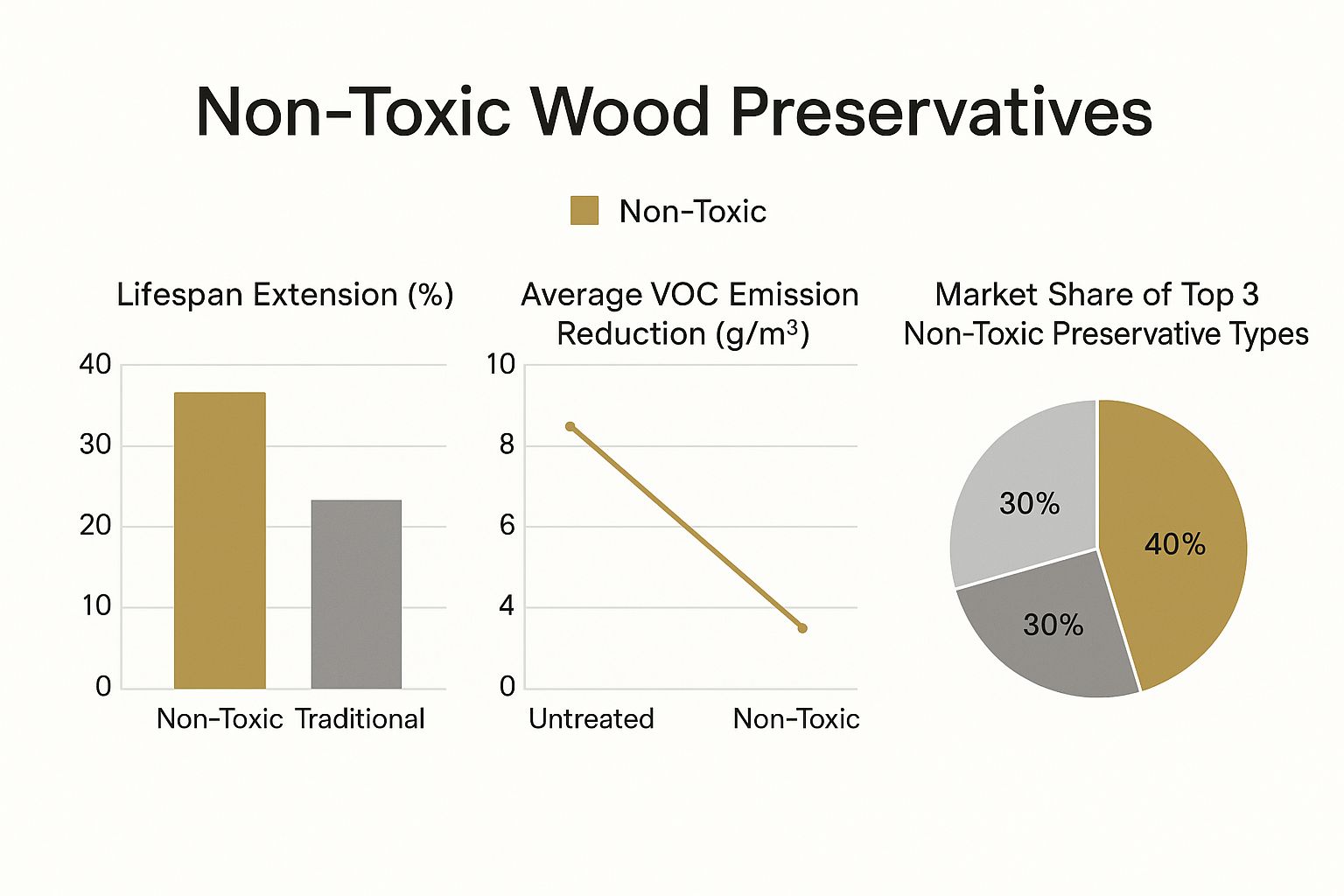
It is clear from the data that modern non-toxic wood preservatives not only match the performance of traditional chemical treatments but often exceed them in lifespan, while significantly reducing VOC emissions.
Natural Oils and Waxes
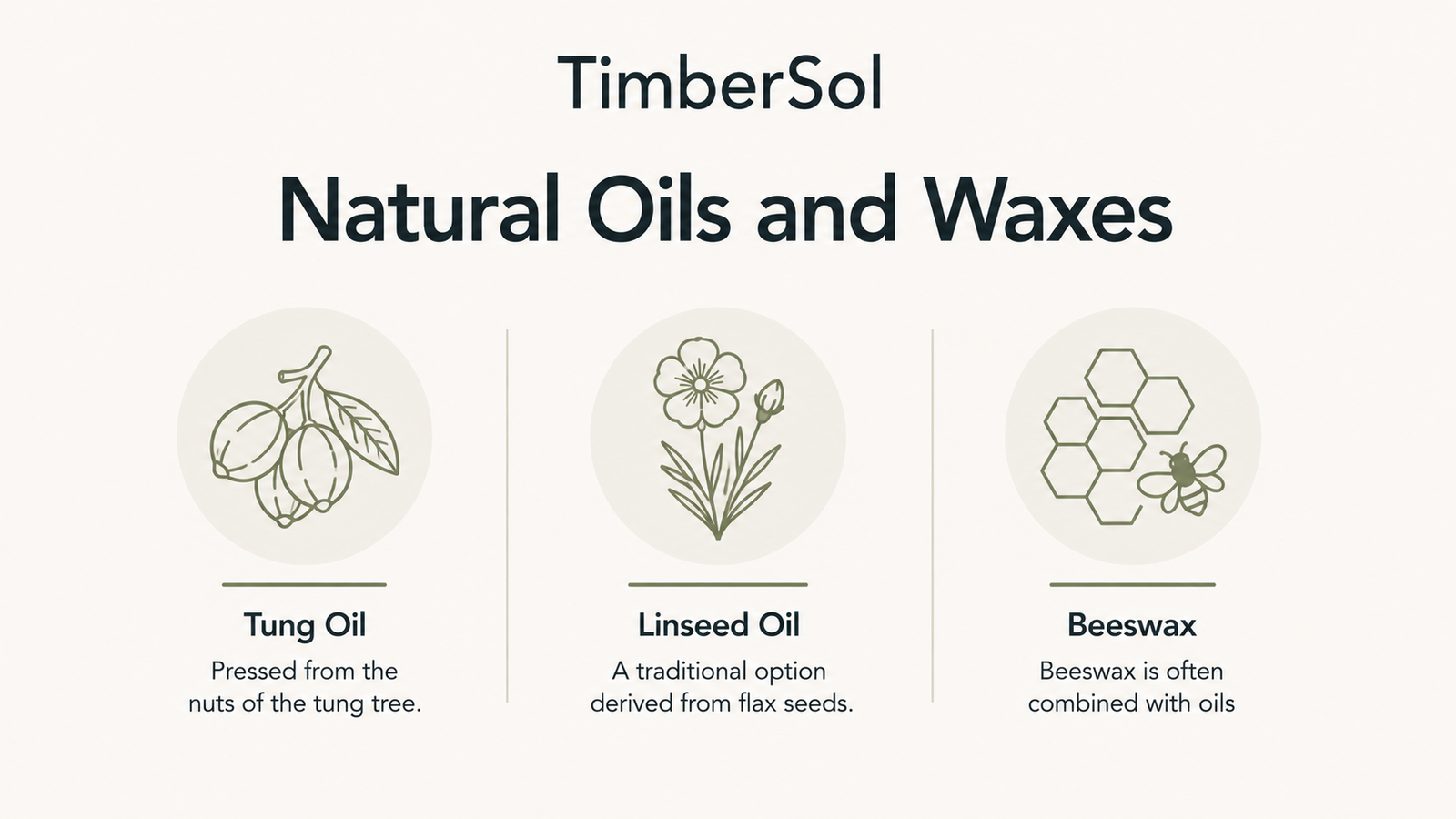
Natural oils are a timeless choice, and for good reason. They work by penetrating deep into the wood fibres, effectively waterproofing the timber from within while enhancing its natural appearance.
- Tung Oil: Pressed from the nuts of the tung tree, this oil polymerises into a durable yet flexible finish with excellent water resistance. It is particularly well suited for outdoor furniture, decking, and even kitchen worktops, as it is fully food-safe once cured.
- Linseed Oil: A traditional option derived from flax seeds, linseed oil nourishes the wood while providing moisture protection. Although effective, it has a longer curing time and typically requires more frequent reapplication than tung oil—especially in damp climates such as the UK.
- Beeswax: Primarily a surface treatment rather than a deep penetrant, beeswax is often combined with oils to form a soft, water-repellent layer. It provides a subtle, natural sheen, making it ideal for interior furniture and decorative elements that are not exposed to heavy wear.
Mineral-Based Treatments
Mineral-based preservatives work in a completely different way, yet they are highly effective. They are typically supplied as a powder that needs to be mixed with water before being applied to unfinished wood.
Rather than forming a surface coating, these minerals penetrate deep into the wood and chemically bond with its cellular structure. This process creates a permanent internal barrier that prevents moisture from entering and makes the wood unappealing to fungi and insects. One of the most widely used options is borate, a naturally occurring salt compound known for its excellent protection against rot and wood-boring pests.
Borate treatments are commonly used for protecting structural timber, such as internal house frames or subflooring, where the wood is not directly exposed to weather conditions. One of their key advantages is that, once applied, the protection is permanent and requires no ongoing maintenance.
To better understand how these options compare, refer to the table below. For a more detailed explanation, see our guide on how to preserve wood naturally.
Comparison of Natural Non Toxic Wood Preservatives
This table outlines some of the most common natural wood treatments, comparing their best uses, effectiveness, and how often they need reapplication.
| Preservative Type | Primary Use | Water Resistance | Durability | Reapplication Frequency |
|---|---|---|---|---|
| Tung Oil | Outdoor furniture, decking | High | High | Every 2-3 years |
| Linseed Oil | General woodworking | Medium | Medium | Every 1-2 years |
| Beeswax | Interior furniture, finishing | Medium | Low | Annually |
| Borates | Indoor framing, structural wood | Low (before sealing) | Very High | One-time application |
Each of these natural wood preservatives serves a specific purpose, and the right choice ultimately depends on the needs of your project and the level of protection required.
Yakisugi: The Ancient Art of Charring Wood
Among all non-toxic wood preservatives, one of the most intriguing methods uses fire instead of chemicals. Known as Yakisugi, this traditional Japanese technique is an ancient craft that is experiencing a strong resurgence in modern architecture.
Yakisugi, also referred to as shou sugi ban, involves carefully charring the surface of timber planks. The result is a finish that is not only visually striking but also highly durable. Originally developed centuries ago in Japan, this method was born out of practicality—to make exterior cladding more resistant and longer-lasting.
Through this controlled burning process, the wood is transformed, creating a deep, rich black surface with a distinctive crackled texture, often described as a “gator skin” effect.
The Science Behind the Scorch
At first glance, burning wood might seem counterintuitive, but it is actually one of the most effective ways to protect it. The key lies in the chemical transformation that occurs when the surface is exposed to intense, controlled heat. Charring timber carbonises its outer layer, fundamentally altering its properties and creating a natural, highly durable protective shield.
This scorched layer acts like a suit of armour, defending the wood against its primary threats:
- Pest and Fungal Resistance: The charring process burns away the soft, sugary cellulose on the surface— the main food source for termites, wood-boring insects, and fungi. Without this, pests are no longer attracted to the wood.
- Water Repellency: The dense carbon layer is naturally hydrophobic, meaning it repels water. This prevents moisture from penetrating the timber, reducing the risk of rot and warping—especially important in damp climates like the UK.
- UV and Fire Resistance: The charred surface acts as a natural UV barrier, protecting the wood beneath from sun damage. Paradoxically, it also functions as a fire retardant, making the timber more resistant to ignition compared to untreated wood.
Yakisugi is a powerful example of working with nature rather than against it. Instead of relying on synthetic chemicals, this method uses fire to enhance the wood’s natural durability—creating a long-lasting finish that can endure for over 80 years with minimal maintenance, as seen in modern applications such as charred accoya cladding and charred douglas fir cladding.
This age-old technique delivers a striking aesthetic, ranging from a deep, velvety black finish to a weathered, silvery patina, depending on how the wood is finished, which can be achieved with materials such as oak cladding or spruce cladding. It serves as a powerful reminder that traditional craftsmanship can offer elegant, sustainable, and completely non-toxic solutions for modern building projects.
If you’d like to explore this method further, learn more about the complete Yakisugi wood treatment process and its wide range of applications.
Diving Into Modern Water-Based Preservatives
While natural oils and the ancient art of charring offer excellent protection, the go-to solution for most modern wood protection projects is advanced water-based preservatives. These formulations have become the industry standard for applications ranging from garden decking to structural timber, thanks to their strong balance of performance, safety, and cost-effectiveness.
This shift did not happen by chance. It was largely driven by increasingly strict environmental regulations, which phased out older, more toxic chemical treatments. In response, manufacturers developed innovative wood preservatives that use water as a carrier instead of harsh solvents. As a result, these products contain very low levels of Volatile Organic Compounds (VOCs), making them significantly safer for both users and the environment.
These modern formulas are a genuine leap forward, providing durable timber protection without the environmental drawbacks of older treatments.
How Do They Actually Work?
During pressure treatment, copper-based solutions are forced deep into the wood’s cellular structure. Once inside, they chemically bind to the wood fibres, effectively locking the protective components in place. This process makes the timber highly resistant to fungi and insects—the primary causes of rot and decay.
The most common water-based preservatives include Alkaline Copper Quaternary (ACQ) and Copper Azole (CA). While the presence of copper may raise concerns, the underlying science is both smart and safe.
The key factor is that these metallic compounds are fixed within the wood. They do not easily leach into the surrounding soil or release into the air, making them significantly safer than older treatments based on arsenic or creosote.
This stability is what allows pressure-treated timber to be used with confidence in a wide range of applications, from raised garden beds to children’s climbing frames. Understanding how to protect wood outdoors using these modern methods ensures both long-lasting performance and peace of mind.
Market Leadership and a Greener Footprint
The proven effectiveness and strong safety profile of these products have made them the leading choice across the UK and Europe. Their market dominance reflects growing environmental awareness, as well as stricter regulations aimed at reducing the use of hazardous chemicals.
In 2023, water-based preservatives accounted for an impressive 73.2% of total wood preservatives market revenue. This widespread adoption was largely driven by EU-wide restrictions on arsenic and creosote introduced in the early 2000s, which effectively phased out older, more harmful treatments. You can read more about the wood preservatives market on coherentmarketinsights.com.
Overall, modern water-based formulas offer reliable, long-lasting timber protection. They represent a clear example of how industry innovation can deliver solutions that are both effective for construction and more sustainable for the environment.
Getting the Application Right: Tips for Using Your Wood Preservative
Achieving a durable, professional-looking finish with non-toxic wood preservatives isn’t just about choosing the right product—it also depends on proper preparation and application technique. Taking the time to prepare the surface correctly ensures the preservative performs effectively and provides long-lasting protection for your timber.
Think of it like painting a room. You wouldn’t apply a new coat of paint over dusty, unprepared walls. The same principle applies to wood treatment. The surface must be clean, dry, and free from old finishes, dirt, or grime. Light sanding is also recommended, as it helps open up the wood’s pores, allowing penetrating oils and water-based preservatives to absorb more deeply.
Choosing Your Tools and Technique
How you apply the preservative depends on the type of project and material you’re working with. However, the main goal remains the same: to achieve consistent, even coverage without drips or pooling.
Here’s a quick breakdown:
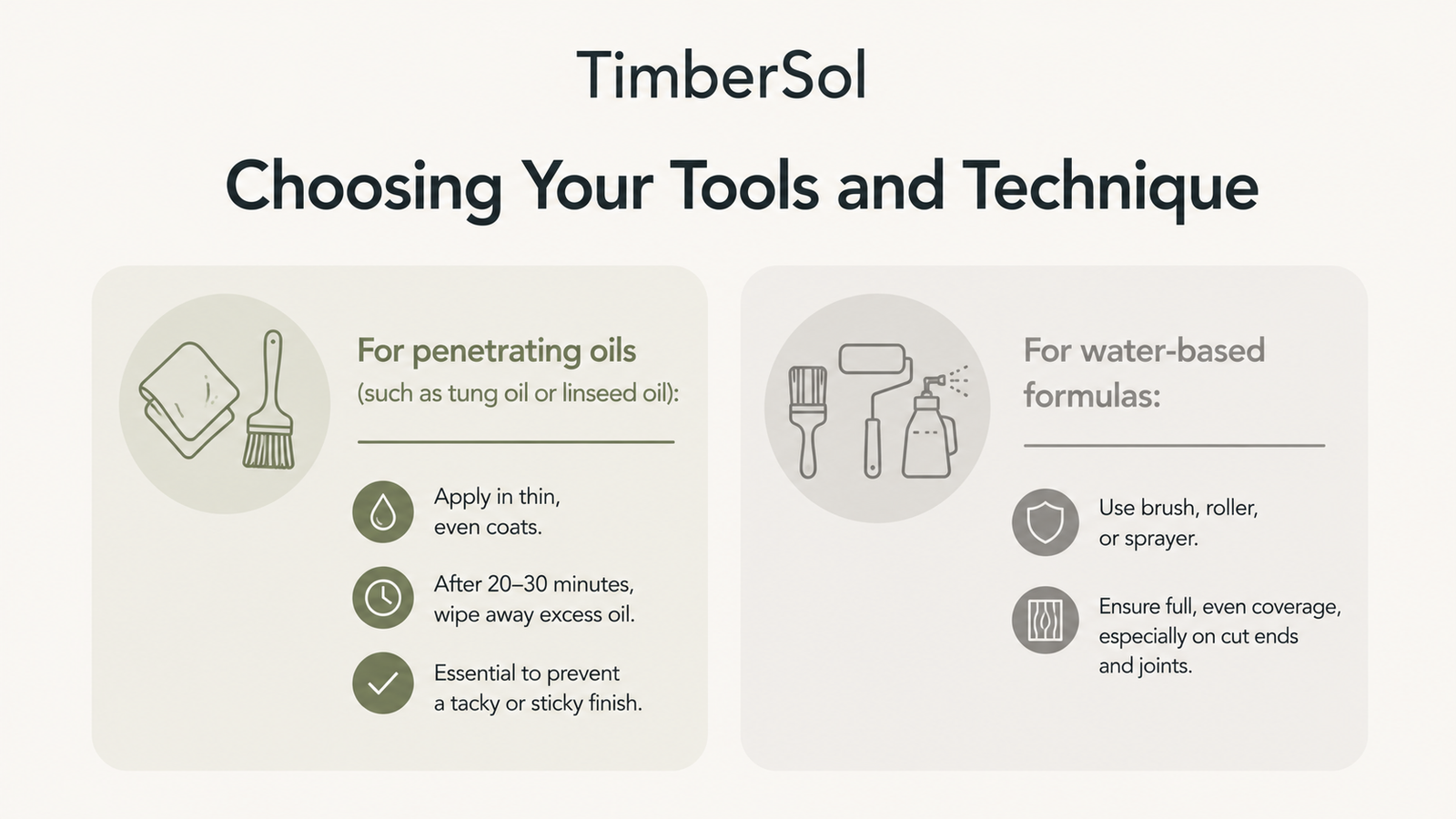
- For penetrating oils (such as tung oil or linseed oil): Use a clean, lint-free cloth or a natural bristle brush for best results. Apply the oil in thin, even coats. After 20–30 minutes, wipe away any excess oil that has not soaked in. This step is essential to prevent a tacky or sticky finish.
- For water-based formulas: These preservatives offer more flexibility in application. You can use a synthetic bristle brush, roller, or even a garden sprayer for larger surfaces. Focus on achieving full, even coverage, and pay special attention to cut ends and joints, as these areas are more vulnerable to moisture penetration.
Regardless of the product, always work in a well-ventilated area. Even with non-toxic wood preservatives, proper airflow is important to ensure correct drying and curing. Wearing gloves is also recommended as a standard safety practice.
For larger projects or structural work, it’s often worth consulting expert carpentry services. They can provide valuable guidance on proper construction techniques as well as the most effective strategies for long-term wood protection. Following these best practices will not only extend the lifespan of your timber but also ensure a durable, visually appealing finish that can withstand changing weather conditions.
Now, let’s address some of the most common questions that arise when exploring non-toxic wood preservatives. With a few key insights, these alternatives are easy to understand and apply effectively.
Are Non-Toxic Options Really as Good as Chemical Treatments?
Absolutely—and in some cases, they can even outperform traditional chemical treatments over the long term. While conventional preservatives often provide strong initial protection, many non-toxic wood preservation methods work by forming durable physical barriers that stand the test of time.
A great example is the ancient Japanese technique of Yakisugi (also known as shou sugi ban). By charring the surface of the wood, it creates a protective carbon layer that is naturally resistant to rot, pests, and even fire. This makes it a powerful non-toxic solution that can rival—or even exceed—the performance of chemical treatments, particularly for exterior cladding.
Can I Just Paint a Natural Preservative Over an Old Finish?
It’s not recommended. For most natural wood preservatives to work effectively—especially penetrating oils—they need to absorb directly into the wood fibres. Any existing paint, varnish, or chemical sealant will act as a barrier, preventing proper absorption.
If you’re switching to a non-toxic wood preservative, proper surface preparation is essential. This means fully stripping or sanding the wood back to a bare, raw surface before applying the new treatment.
How Often Do I Need to Reapply These Natural Products?
The reapplication frequency depends on the type of product used and the level of exposure to weather conditions. In climates like the UK, a penetrating oil finish on exterior surfaces such as decking or fencing typically requires a maintenance coat every 1 to 3 years to maintain optimal protection.
However, some methods offer significantly longer-lasting results. One of the key advantages of Yakisugi is its exceptional durability. Properly charred timber can last for over 50 years with little to no need for re-treatment, making it an excellent low-maintenance wood protection solution.
At TimberSol, we specialise in creating beautiful, long-lasting charred timber that delivers this exact type of non-toxic wood protection. If you’re looking for a sustainable wood solution built to last, explore our range at https://timbersol-backup.elnoirstudio.com.