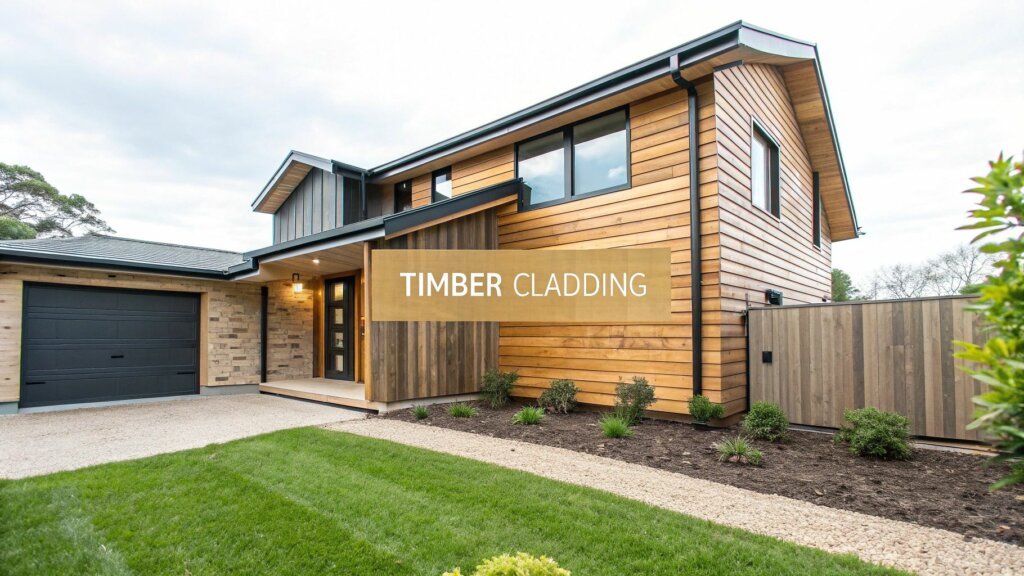
Charred Wood Siding Benefits: Enhance Your Home’s Appeal

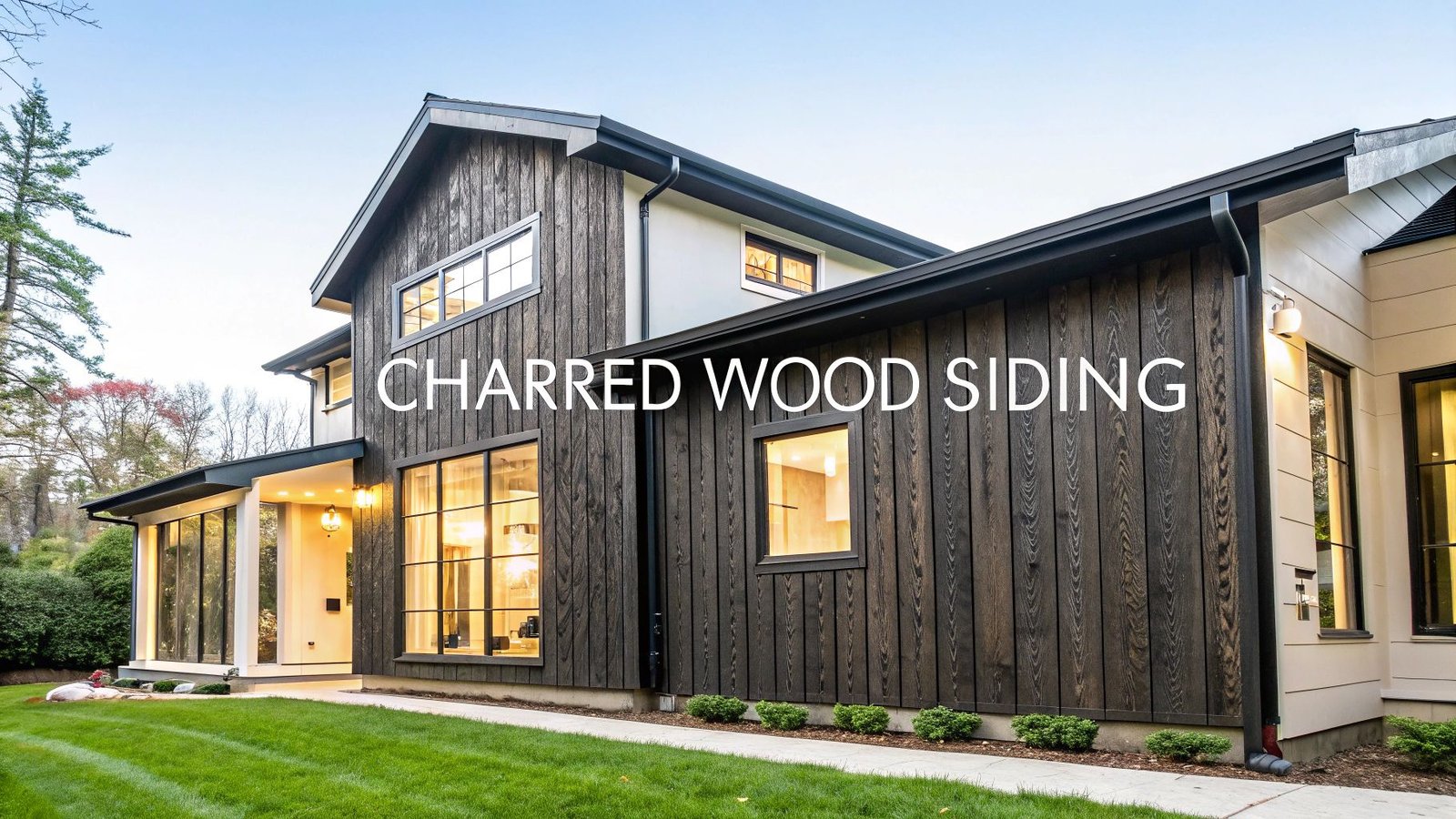
When you think about durable, long-lasting siding, setting it on fire probably isn't the first thing that comes to mind. Yet, that's the very heart of an ancient Japanese technique called Yakisugi (or Shou Sugi Ban), which delivers exceptional durability, natural fire resistance, and a truly striking aesthetic.
By carbonising the surface of the timber, this method creates a low-maintenance and sustainable cladding that stands up brilliantly against rot, pests, and the worst of the British weather.
Uncovering the Art of Yakisugi
It sounds completely backwards, doesn't it? Intentionally burning the wood you plan to use to protect your home. But this centuries-old method transforms ordinary timber into a high-performance building material with huge practical and visual benefits. The process is precise: carefully charring the surface of wood planks, cooling them down, brushing off the excess soot, and often finishing with a natural oil.
This controlled burn isn’t just superficial; it fundamentally changes the wood's composition. The process creates a carbonised layer that acts as a natural shield, making the timber incredibly resilient. Unlike paints or chemical treatments that just sit on the surface and can fail over time, charring alters the wood's very structure. This gives you deep-rooted protection that won't chip or peel away, merging traditional craftsmanship with the demands of modern architecture.
A Modern Choice with Deep Roots
While its origins are ancient, charred wood siding is finding a real home in contemporary projects across the UK. Its dramatic appearance, which can range from a deep, alligator-skin black to a subtle, silvery grey, adds incredible depth and character to any building. It's a versatile choice that works just as well with minimalist new-builds as it does with rustic conversions.
This growing interest is part of a bigger picture in the UK cladding market.
The UK siding market, which includes wood-based cladding, generated revenues of approximately USD 4.7 million in 2022. This figure is projected to climb to USD 7.6 million by 2030, showing strong and sustained growth.
This trend shows a clear shift. Architects, builders, and homeowners are all looking for materials that offer both incredible longevity and a standout design. Charred timber ticks both boxes perfectly.
You can explore a variety of stunning charred cladding options to see how this technique is applied to different types of wood. The end result is more than just a facade; it’s a surface that is built to last and tells a compelling story of artistry and resilience.
To simplify the benefits, here's a quick overview of why charred wood is becoming such a sought-after material for UK properties.
Key Benefits of Charred Wood Siding at a Glance
A summary of the primary advantages of choosing charred wood siding for your building project.
| Benefit Category | Key Advantage | Relevance for UK Properties |
|---|---|---|
| Durability | The carbon layer naturally repels water and prevents rot and decay. | Excellent for withstanding the damp, often unpredictable UK climate. |
| Pest Resistance | The charring process makes the wood unappealing to insects and termites. | Reduces the need for chemical pest treatments, offering a more natural solution. |
| Fire Resistance | Counterintuitively, the burnt layer acts as an insulator, slowing combustion. | Provides an added layer of safety and can help meet building regulations. |
| Aesthetics | Creates a unique, rich texture and deep colour that ages gracefully. | Offers a distinctive, high-end finish that elevates a building's design. |
| Low Maintenance | No need for regular painting, staining, or sealing once installed. | Saves time and money on upkeep over the building's lifetime. |
| Sustainability | A natural preservation method that avoids harsh chemicals. | Appeals to eco-conscious projects and contributes to sustainable building practices. |
As you can see, the advantages go far beyond just the visual appeal, making it a practical and intelligent choice for almost any construction project.
Building a Weatherproof Shield for Your Home
You can think of the charring process as creating a natural coat of armour for the wood. The science behind its incredible durability is actually quite simple, but it’s remarkably effective. By carbonising the wood's surface, we fundamentally alter its chemical makeup, turning it into a fortress against the elements.
This controlled burning removes the soft, sugary cellulose from the outer layers of the timber. Why is that important? Well, cellulose is the main food source for all the usual suspects behind wood decay: rot-causing fungi and wood-boring insects. By taking away their meal, the wood becomes a deeply uninviting place for them to live. This means it naturally resists pests and decay without needing any harsh chemical treatments.
A Natural Barrier Against Moisture
This ancient preservation method is a real game-changer, especially in the UK’s notoriously variable climate. The heat treatment makes the wood hydrophobic – a fancy way of saying it naturally repels water. Untreated timber, on the other hand, acts like a sponge, soaking up moisture which leads to swelling, warping, and eventually, rot.
The dense carbon layer on charred wood siding creates a formidable barrier. Rainwater simply beads up and runs off the surface instead of seeping deep into the wood's cellular structure. This keeps the core of the timber dry and stable, dramatically increasing its lifespan. For anyone building in Britain, with its frequent rainfall and high humidity, this is easily one of the most significant benefits of charred wood siding.
The image below shows just how this durability makes charred wood such a long-lasting choice for building exteriors.
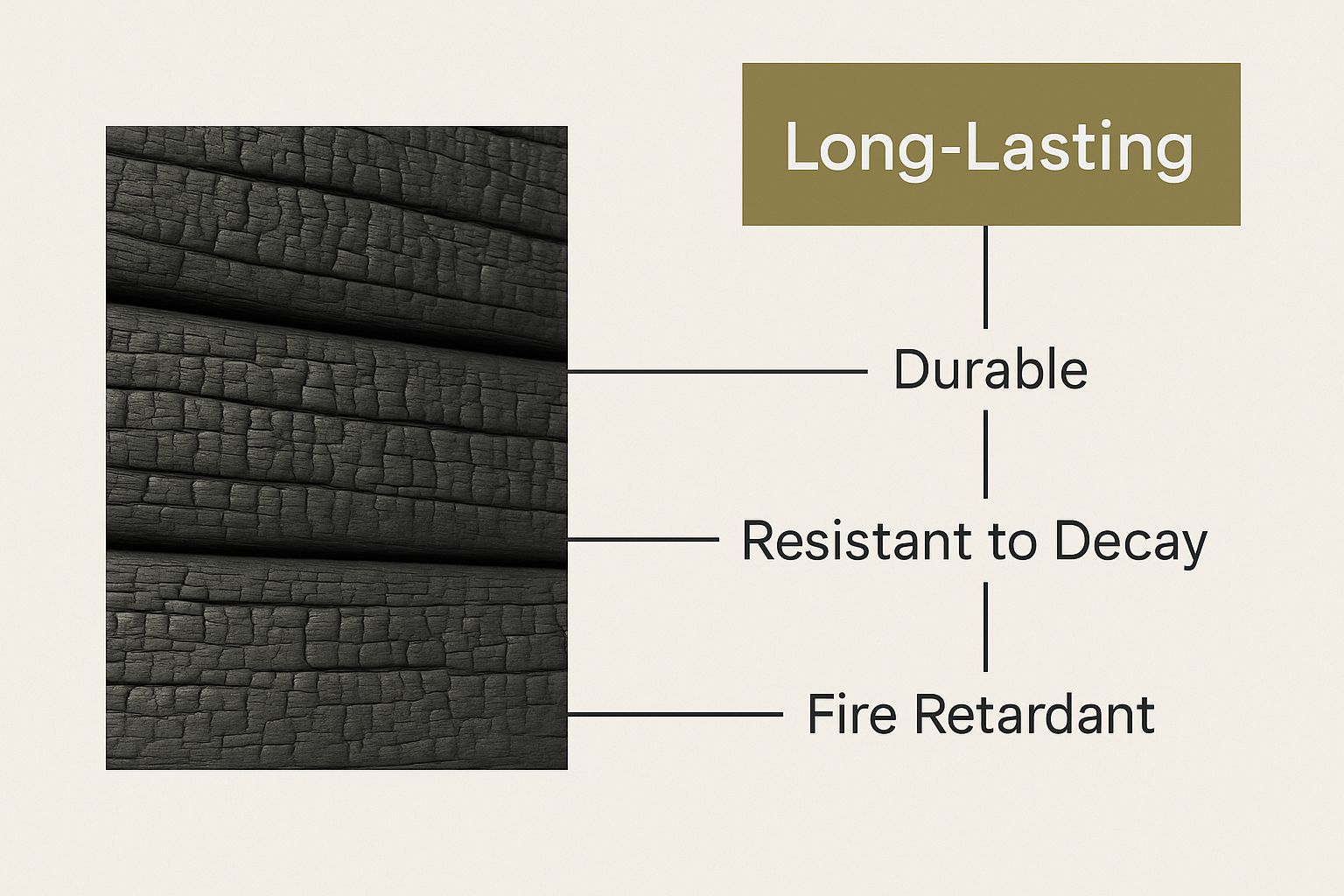
As you can see, the main job of the char layer is to create a tough, enduring shield that protects the wood for decades to come.
Built to Last for Decades
This built-in durability translates into a siding that is exceptionally low-maintenance and made to last. While traditional wood cladding might need painting or staining every few years to keep it protected, charred timber siding often needs nothing more than a gentle clean. Depending on the finish and its exposure to the elements, a fresh coat of natural oil might be a good idea every 10 to 15 years, but that’s a world away from the constant upkeep of conventional materials.
This longevity isn’t just a sales pitch; it's a proven fact. Here in the UK, where damp conditions can make short work of timber, this ancient technique provides a very real advantage. The carbonised barrier can extend the life of timber cladding by up to 2-3 times compared to untreated wood, offering a brilliant return on investment over the lifetime of a building. You can find more details on the durability of timber cladding in the UK market if you want to dig deeper.
By transforming the wood at a molecular level, the charring process locks in durability. It’s not just a surface coating that can peel or fail; it's an integral part of the material itself, ensuring consistent performance year after year.
What this all boils down to is a siding that not only looks incredible but also gives you complete peace of mind. Its inherent resistance to moisture, rot, and pests ensures your home's exterior remains strong, stable, and beautiful with very little effort, standing resilient against whatever the British weather decides to throw at it.
Here's the rewritten section, crafted to sound like it was written by an experienced human expert.
Can Burnt Wood Really Be Fire-Resistant?
It sounds completely backwards, doesn't it? The notion that setting wood on fire could somehow make it less flammable. Yet, this is precisely one of the most incredible properties of charred timber. The technique creates a dense, stable layer of carbon on the wood's surface that acts as a surprisingly effective, all-natural fire retardant.
Think about a log that’s already been burnt in a fireplace. It’s tough to get it to light up again, right? That’s because the easily flammable resins and compounds have already been cooked off in a controlled way. What remains is a carbon shield that insulates the fresh wood underneath, dramatically increasing the temperature required for it to catch fire.
How it Slows Down a Fire
This protective carbon layer does more than just make the siding difficult to ignite; it also fundamentally changes how the wood behaves if a fire does break out nearby. Whereas untreated timber can quickly become fuel for a growing blaze, charred wood puts up a fight.
The char acts as a barrier, starving the core wood of the oxygen it needs to burn. This means it takes significantly longer for flames to work their way through the cladding and threaten the building's main structure.
In essence, you're creating a sacrificial layer. The charring process removes the most volatile, easily combustible elements from the surface, leaving behind a stable barrier that helps to contain a fire rather than feed it.
Because this fire resistance is a physical change to the wood itself, it's not a chemical treatment that can wash away or degrade over time. It’s permanent, offering lasting protection and genuine peace of mind.
Meeting Today's Building Standards
This inherent fire resistance makes charred wood siding a very smart choice for architects, builders, and homeowners who are serious about safety and meeting modern building regulations. As fire performance standards for building materials get stricter, materials with built-in safety features are becoming more and more sought after.
The performance of charred wood gives it a clear edge over standard timber or other combustible cladding materials. You get the beauty and character of real wood, but without compromising on the critical safety demands of modern construction.
It's this marriage of stunning aesthetics and practical safety that is driving the growing appreciation for charred wood in projects all across the UK. It’s a material that’s not just beautiful, but built to protect.
Creating Stunning Exteriors with Yakisugi
Beyond its impressive resilience, let's talk about what really draws people to charred wood: its extraordinary, one-of-a-kind beauty. The Yakisugi process transforms timber into something with a visual depth and character that you just don't get with uniform, manufactured cladding. It’s a finish that feels alive, telling a story of fire, craftsmanship, and nature.
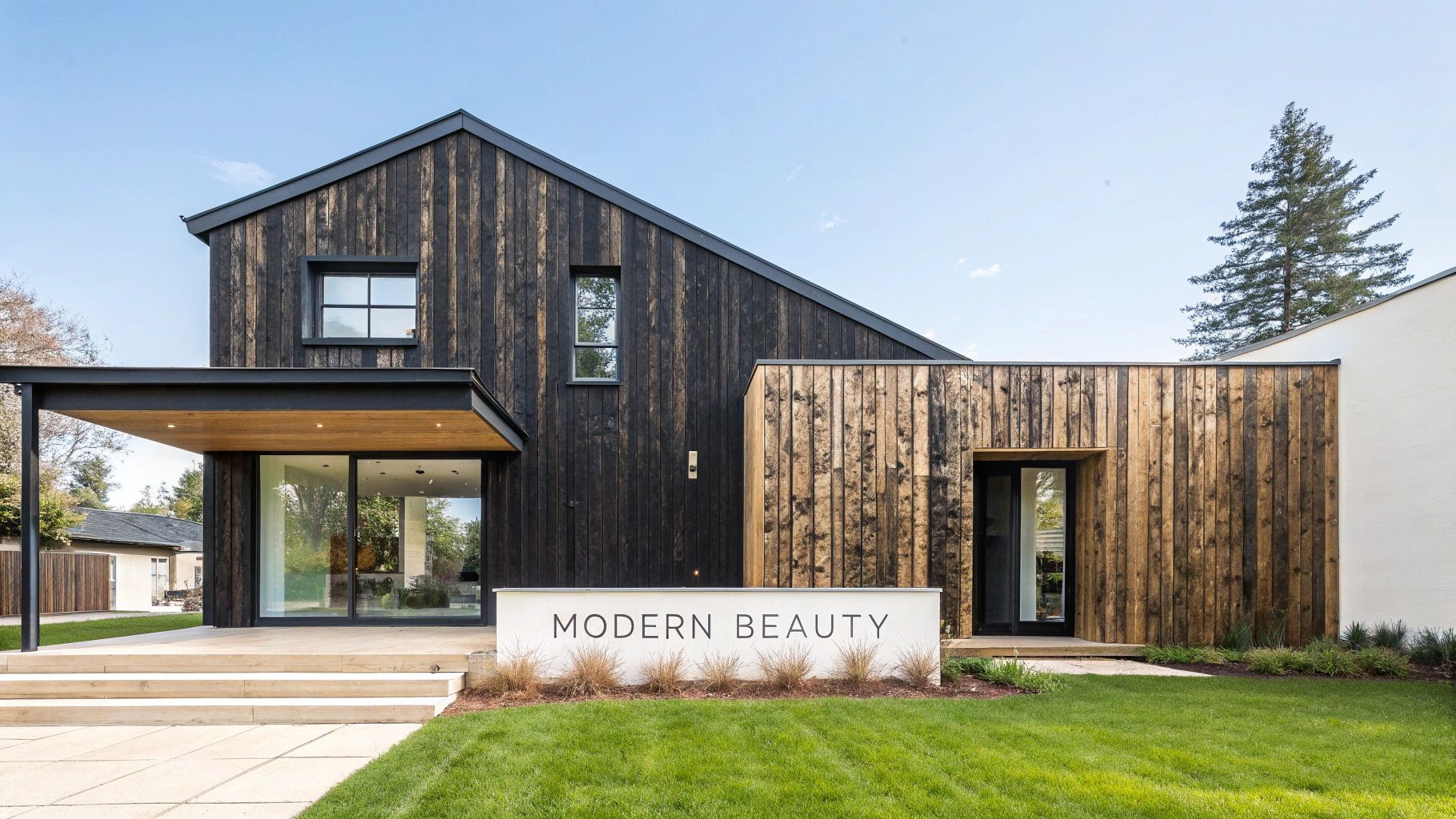
The range of textures you can achieve is remarkably broad. For instance, a heavy char gives you a dramatic, deep black finish with a coarse, crackled surface often called "alligator skin". This bold texture makes a powerful, contemporary statement. It plays beautifully with light and shadow, giving a building's facade a dynamic, almost sculptural quality as the sun moves across it.
This striking appearance offers a strong connection back to the natural world. It's a tangible reminder of organic processes, adding a layer of authenticity that synthetic materials simply can't mimic.
Crafting a Versatile Design Palette
Of course, not every project calls for such a dramatic look. By brushing the wood after charring, you can create entirely different aesthetic effects. A light brush can smooth the surface while keeping that rich, dark colour, resulting in a more refined and subtle texture.
On the other hand, a heavier brushing removes more of the soft char, revealing the underlying wood grain. This creates a beautiful contrast between the dark, scorched lines and the timber's natural tones, for a completely different feel.
This whole process unlocks an incredibly versatile palette, making it suitable for a huge range of architectural styles. Whether you're designing a minimalist modern home, a rustic rural retreat, or a sharp commercial building, there's a charred wood finish to match your vision.
The choice of wood species expands these possibilities even further:
- Cedar: This often gives a very deep and consistent char. Its refined grain can be brushed to a silky, almost silvery finish.
- Larch: Known for its durability and prominent grain, Larch creates a rich, textured surface with distinctive patterns showing through the char.
- Pine: This wood tends to produce a more rustic and variable finish, really celebrating its natural knots and character.
This adaptability means charred wood isn't just a single look; it's a creative medium. The interplay between the level of char, the brushing technique, and the wood species allows architects and homeowners to specify a finish that is perfectly suited to their design vision.
Ultimately, choosing charred wood siding is about more than just protecting a building. It’s about creating a facade with genuine character and timeless appeal. The unique texture and rich colour add a layer of sophistication and organic beauty, turning a simple exterior into a work of art that only gets better with age.
Choosing a Truly Sustainable Siding Option
In a world where every building decision leaves an environmental mark, finding materials that are both beautiful and responsible has never been more critical. For anyone serious about eco-friendly construction, one of the biggest draws of charred wood siding is its incredible sustainability. It’s a genuinely green option that works with nature, not against it.
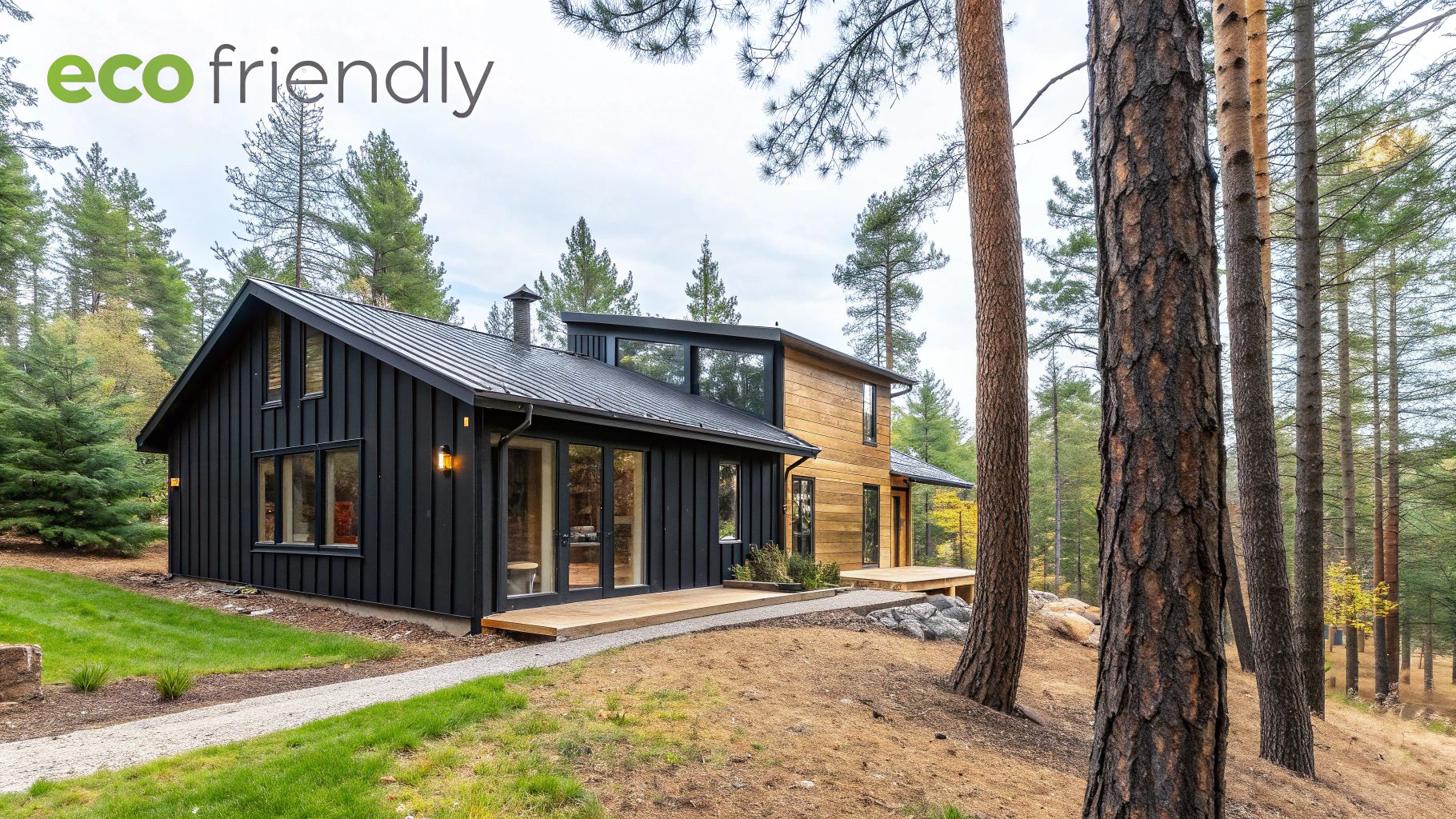
The beauty of the charring process is its elegant simplicity. It uses fire—and nothing else—to preserve the wood. This completely sidesteps the need for the chemical preservatives, paints, or stains that conventional timber cladding relies on. Those treatments are often loaded with volatile organic compounds (VOCs), which can harm both the environment and our health. Yakisugi gives you powerful protection without any of that baggage.
Reducing Your Carbon Footprint
The long-term environmental benefits are just as compelling. Because charred wood is so resilient, it boasts a remarkably long lifespan, often lasting for 80 years or more with very little upkeep. This longevity is the cornerstone of its sustainability credentials. It drastically reduces the need for replacements, which in turn shrinks the building's entire lifecycle carbon footprint.
Think about it: fewer replacements mean less manufacturing, less transport, and less waste ending up in a landfill over the decades. The use of timber in UK construction already aligns with national goals for carbon reduction, and charring supercharges this effect. It extends the wood's service life, storing that carbon for longer and minimising maintenance cycles. You can learn more about the UK's carbon abatement potential with wood construction to see the bigger picture.
By choosing a material that endures, you are making a conscious decision to consume less over the lifetime of your property. It’s a simple equation: the longer your siding lasts, the lighter its impact on the planet.
This approach doesn’t just protect your home; it contributes to a more sustainable building culture. It’s a shift away from disposable materials towards solutions built to last. These same principles of natural durability make it a fantastic choice for other outdoor structures, like long-lasting charred fencing.
Sourcing with Responsibility
Of course, the sustainability journey for any wood product starts in the forest. It’s absolutely vital to ensure the timber destined for Yakisugi comes from responsibly and sustainably managed forests. This is the only way to guarantee that the wood is harvested in a way that protects biodiversity, supports local communities, and ensures our forests will thrive for generations.
When you pair ethical sourcing with a chemical-free preservation method and the material's incredible lifespan, charred wood siding makes a powerful argument. It's a choice that perfectly matches modern green building ambitions, offering a cladding solution that is as kind to the earth as it is stunning to look at.
Common Questions About Charred Wood Siding
Even after seeing all the benefits, it's completely normal to have a few practical questions before committing to charred wood siding. Choosing an exterior finish is a huge decision for any project, and you’ll want to be sure about things like cost, installation, and how it holds up over time.
This section tackles the most common queries we get from homeowners, architects, and builders. The goal is to clear up any uncertainties, giving you the confidence to decide if Yakisugi is the perfect fit for your building. We'll get into everything from the budget to the day-to-day reality of living with this stunning material.
How Does Charred Wood Siding Cost Compare to Other Materials?
Let's get straight to the point: the budget. Yes, charred wood siding is a premium material, and its initial cost is higher than what you’d pay for standard timber, uPVC, or fibre cement cladding. But looking only at the upfront price tag doesn't tell the whole story.
The real value of charred wood becomes clear when you look at its entire lifespan. Think about the hidden, ongoing costs of other materials:
- Standard Timber: You're signing up for a cycle of sanding and re-staining every few years to keep rot and fading at bay. That’s a lot of time, labour, and money.
- uPVC Siding: It’s cheaper to start with, but it can turn brittle and discolour under the sun, often leading to a much earlier replacement.
- Fibre Cement: A solid choice, but even this often needs a fresh coat of paint after 10-15 years to keep it looking good and properly protected.
This is where charred wood really shines. One of its greatest advantages is how little maintenance it needs. No routine painting, no staining. This adds up to massive savings over the years, making the total cost of ownership incredibly competitive.
When you factor in a lifespan of 80 years or more with barely any intervention, that initial investment is often paid back several times over in avoided maintenance. It’s the classic case of buying well to buy once.
What’s the Installation and Maintenance Like?
Fitting charred wood siding is pretty similar to installing standard timber cladding, but there are a couple of things to keep in mind. The charred surface itself is more delicate during handling, so it’s crucial that installers are careful to avoid scuffs and scratches. We also always recommend using high-quality stainless steel fixings to prevent any unsightly rust streaks down the line.
Once it's up, the maintenance is refreshingly simple. For most finishes, all you'll ever need to do is give it a gentle wash with water every year or so to clear off any dust or cobwebs. Depending on the specific finish and its exposure to the elements, you might decide to re-apply a natural oil every 10 to 15 years. This just rejuvenates the colour and gives its water-repellency a little boost. It’s a straightforward process that confirms its appeal as a beautiful, long-term solution you don't have to worry about.
Does the Charred Finish Rub Off or Cause Stains?
This is a great question, and one we hear all the time. It’s easy to imagine a sooty, messy surface, but the reality is thankfully very different. When properly produced and sealed, charred wood is completely clean to the touch and won’t leave marks on adjacent surfaces like render, stonework, or paving.
The magic happens during the manufacturing process. After the timber is charred and brushed, it gets sealed with a natural oil. This final step is vital for two reasons:
- It binds the carbon layer: The oil sinks into the surface, locking all the tiny char particles in place so they can't come loose.
- It enhances protection: The oil adds another layer of defence against water and helps shield the finish from UV rays.
This professional sealing ensures the final product is stable, durable, and tidy. You can run your hand over it without getting black soot on your fingers, making it a perfectly practical choice for high-traffic areas or even outdoor seating. The same principles apply to creating stunning and resilient outdoor floors, which is why we also offer specially prepared charred decking solutions.
Which Types of Wood Work Best for Charring?
You can’t just char any old piece of wood and expect great results. The Yakisugi process works best with specific timber species whose natural characteristics respond well to the intense heat. Things like the wood's grain, density, and natural resin content all have a huge impact on the final look and durability.
The most popular and reliable choices we work with are:
- Larch: As a dense and naturally tough softwood, Larch develops a deep, dramatic char with a really pronounced grain. It’s a fantastic option for weathering harsh climates.
- Cedar: Famous for its stability and beautiful grain, Cedar gives a very consistent and refined char. When brushed, it can take on an almost silky, silver-like finish.
- Pine: For a more rustic and character-filled look, Pine is an excellent choice. Its natural knots and distinctive grain create a wonderfully varied and interesting surface.
Getting the timber selection right is the first and most important step to achieving both the aesthetic you want and the performance you need from your charred wood siding.
At TimberSol, we are experts in the art of Yakisugi, offering a curated selection of charred timber products designed for longevity and style. Explore our full range of solutions and find the perfect finish for your project by visiting https://timbersol-backup.elnoirstudio.com.