
Choosing the Best Wood for Outdoor Use

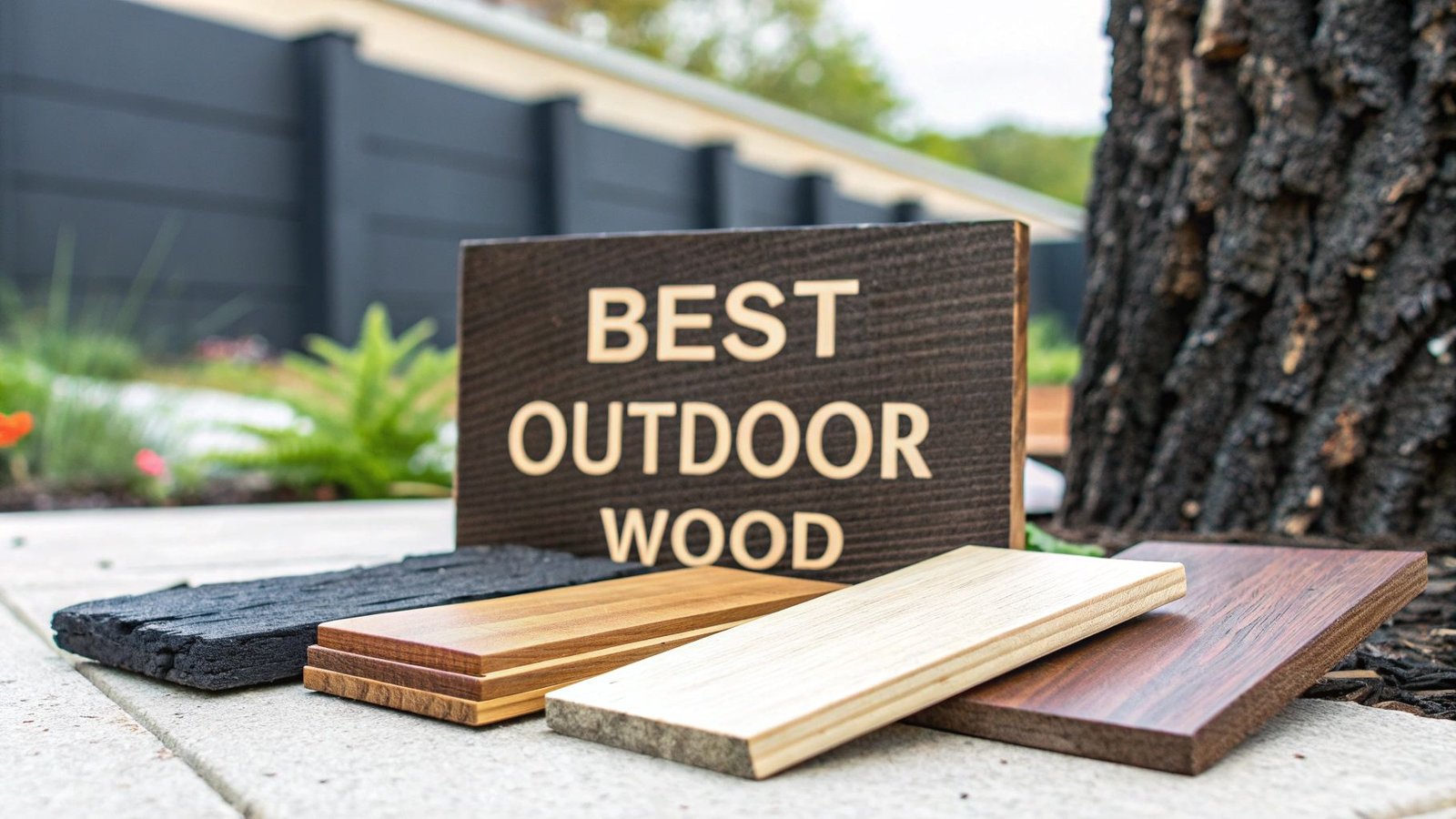
Picking the best wood for outdoor use isn’t about finding a single “perfect” option. Instead, it’s about choosing the right timber for your specific project, balancing its natural resilience against the UK climate with the look you want and the upkeep you’re prepared for.
Navigating Your Outdoor Wood Choices
When you’re standing in a timber yard, the sheer number of choices for a deck, fence, or garden bench can be daunting. Should you go for the classic, timeless strength of a hardwood? Or perhaps the budget-friendly appeal of a softwood? Then there are modern modified woods to consider. Each has its place, and the best one depends entirely on your project.
Here in the UK, our local forestry and timber supply naturally shape our options. We have a great selection of tough softwoods like Scots pine and Douglas fir, not to mention traditional hardwoods like oak that have been used for centuries. With 3.29 million hectares of woodland across the UK and 44% of it certified as sustainably managed, there are plenty of excellent home-grown timbers. This sustainable approach yields around 10.7 million green tonnes of timber each year, which is fantastic news for anyone wanting to build with local materials.
Key Factors To Consider
Before you get lost in the different wood species, it’s helpful to step back and ask yourself three simple questions:
- How durable does it need to be? A decorative garden planter won’t face the same demands as a load-bearing deck joist.
- How much maintenance are you willing to do? Some woods look their best with an annual coat of oil or sealant, while others can be left to weather gracefully to a silver-grey patina.
- What’s the final look you’re going for? The wood you choose is a huge part of the aesthetic, whether you’re aiming for rustic charm or sleek, contemporary lines.
Getting this choice right is just as important as the construction itself. For instance, when you’re Mastering your swing set assembly, picking a strong, rot-resistant wood is non-negotiable for safety and making sure it lasts for years of play.
This infographic gives a brilliant overview of how different woods stack up in terms of their natural durability.
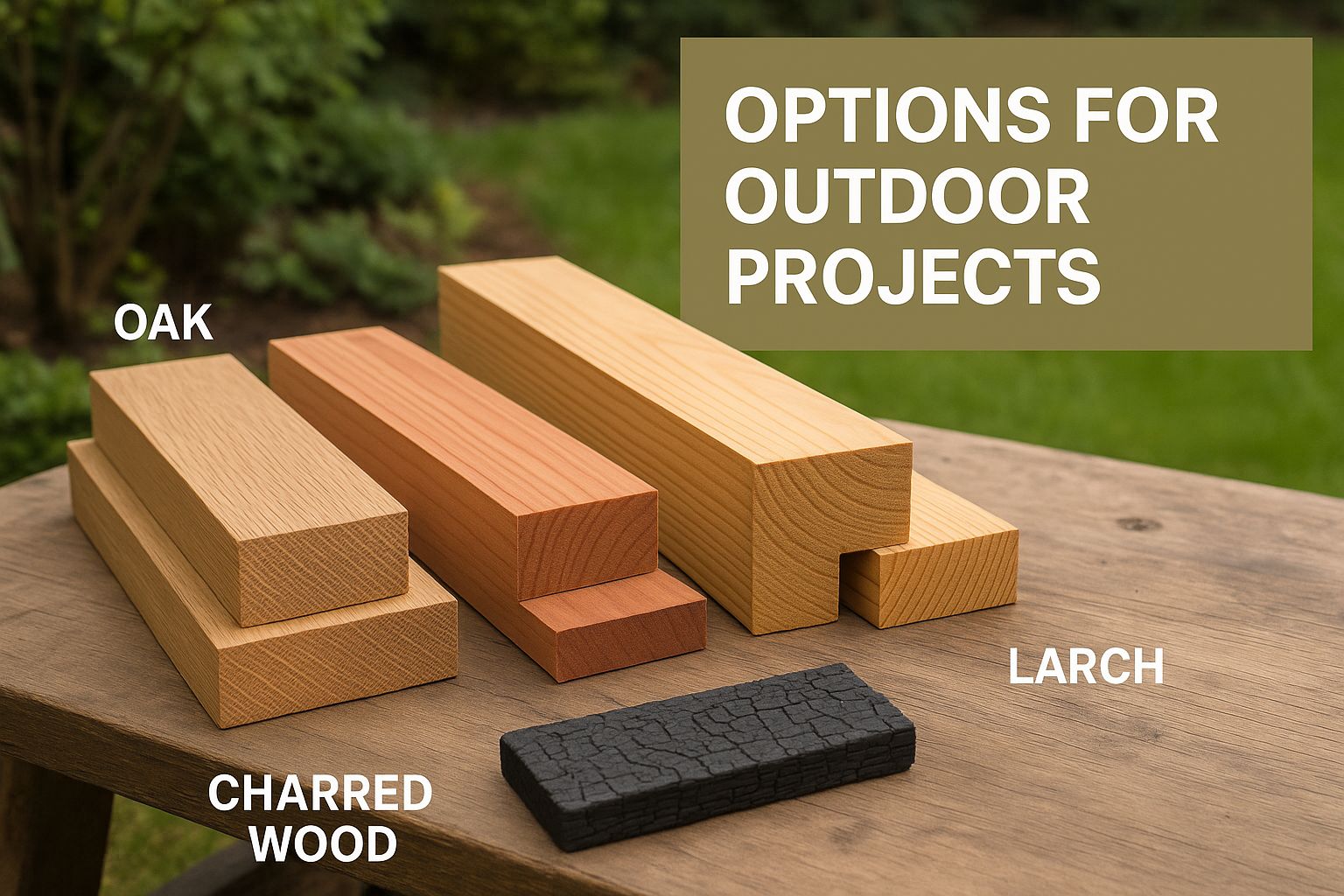
As you can see, naturally durable hardwoods and modified woods like Yakisugi (charred timber) sit at the top of the performance pyramid. Just below them, you have the resilient softwoods, which offer a fantastic middle-ground. In this guide, we’ll walk through each of these categories, giving you the knowledge to confidently choose the right wood for your next outdoor project.
For a quick reference, here’s a table summarising the key players.
Quick Guide to Top Outdoor Woods
| Wood Type | Durability Class | Typical Cost | Maintenance Level |
|---|---|---|---|
| Iroko | Very Durable (Class 1) | High | Low |
| Oak | Durable (Class 2) | High | Medium |
| Cedar | Durable (Class 2) | Medium-High | Low |
| Larch | Moderately Durable (Class 3) | Medium | Low-Medium |
| Charred Timber (Yakisugi) | Very Durable (Class 1-2) | Medium-High | Very Low |
| Pressure-Treated Pine | Durable (Class 2-3) | Low | Medium-High |
This table should give you a starting point, but remember that the “best” option always comes down to the unique demands of your project and your personal preferences.
What Makes Wood Weatherproof?
When you’re choosing timber for a project outside, it’s easy to get lost in the names – Oak, Cedar, Larch. But not all wood is cut out for the unpredictable British weather. So, what’s the secret? What makes one species last for decades while another rots in just a few years?
It all comes down to the wood’s own built-in defence system. Before we get into comparing specific types, let’s unpack what really matters.
Think of it like this: some timbers are just naturally better equipped to fight off the elements. Woods like Cedar and Teak, for instance, are loaded with natural oils and resins. These act as a powerful, self-made preservative, making the wood a terrible home for moisture, fungi, and hungry insects. It’s this internal chemistry that gives them their legendary staying power.
Density and Grain: Nature’s Raincoat
Beyond the internal chemistry, the physical makeup of the wood is just as important. A timber’s density and grain pattern are its first line of defence. Imagine a tightly woven, high-quality waterproof jacket – that’s a dense, close-grained wood like Oak. Rain simply beads up and rolls right off.
Now, picture a loosely knitted jumper. That’s more like a low-density wood with an open grain. It soaks up moisture like a sponge, which quickly leads to swelling, warping, and eventually, rot. This physical barrier is crucial; it stops water from ever getting a foothold deep within the wood fibres.
Key Takeaway: A wood’s outdoor survival kit really comes down to two things: its natural chemical defences (the oils and resins) and its physical structure (density and grain). Get a wood that’s strong in both, and you’ve got a real winner.
What Do Durability Classes Actually Mean for Your Project?
To make things simpler, the timber industry grades wood on a durability scale, from Class 1 (the toughest) to Class 5 (the least durable). These ratings are handy, but what do they mean in the real world? Let’s translate them into something more practical.
- Class 1 – Very Durable: This is the best of the best. We’re talking about timbers like Iroko or modified options like Yakisugi charred timber. These are expected to last 25+ years even when they’re in direct contact with the ground, with no extra treatment needed. They are the go-to choice for things that absolutely cannot fail, like deck posts or retaining walls.
- Class 2 – Durable: Here you’ll find reliable workhorses like Oak and Cedar. You can confidently expect them to last 15-25 years. They’re perfect for those high-end projects where you want beauty and longevity, such as cladding, decking, and quality garden furniture.
- Class 3 – Moderately Durable: Woods like Larch sit comfortably in this category, offering a solid 10-15 years of service. They hit that sweet spot between performance and price, making them a popular choice for fencing, pergolas, and garden planters, especially with a bit of upkeep.
- Class 4 & 5 – Non-Durable: This group includes timbers like untreated Pine and Beech. Left to fend for themselves, they’ll only last between 0-10 years outside. They are simply not suitable for outdoor use unless they’ve been heavily modified, usually through chemical pressure treatment.
Once you get your head around these fundamentals, you can look past the marketing and really understand what makes a piece of wood a top contender for your outdoor project.
A Look at Premium Hardwoods for Projects That Last
When your outdoor project simply has to be the best—both in terms of longevity and looks—premium hardwoods are really in a league of their own. These are the top-tier timbers, prized for their incredible natural resilience and beautiful appearance. Think high-end decking, striking architectural cladding, or garden furniture that could one day become a family heirloom. It’s an investment, but one that pays off in pure quality.
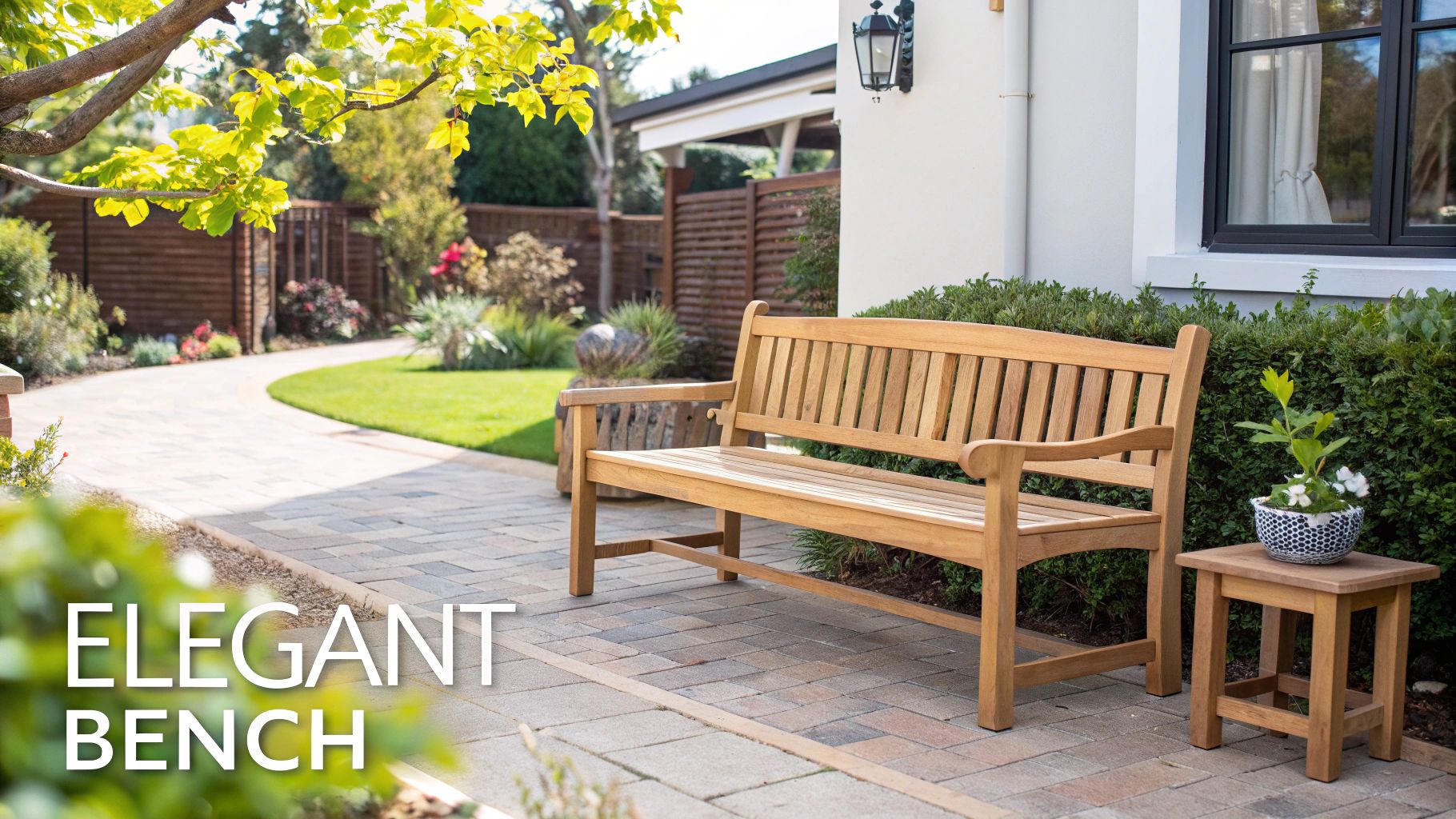
Here in the UK, Oak is a true icon. Its sheer strength and dense grain have made it a cornerstone of British building for centuries, used for everything from the structural bones of a house to magnificent country gates. The wood is packed with natural tannins, which give it fantastic protection against rot and insects, cementing its reputation as a beautiful and dependable choice for any outdoor structure you want to stand the test of time.
The Timeless Appeal of British Oak
Oak isn’t just timber; it feels like part of our national story. With its famous grain patterns and warm, golden-brown tones that gently weather to a distinguished silver-grey, it brings a real sense of permanence and history to a garden.
- The Good: It offers incredible strength and durability (Class 2). Its classic look works just as well in a traditional cottage garden as it does in a sleek, modern design. Plus, choosing native British Oak is a great way to support local forestry.
- The Not-So-Good: Oak is a premium material, and its price reflects that. It’s also incredibly dense, which makes it heavy and a bit of a challenge to work with—you’ll almost certainly need to pre-drill your holes for screws.
It’s amazing to think how versatile these timbers are, going far beyond construction. For a completely different application, you can even find premium hardwood options like Whiskey Oak bisquettes for smoking, which shows just how valued its properties are.
Exotic Choices: Teak and Ipe
If you’re looking for the absolute pinnacle of natural weather resistance, you have to look at tropical hardwoods like Teak and Ipe. These timbers are so saturated with their own protective oils that they are practically immune to water, rot, and bugs. They’re so dense they can almost feel more like stone than wood, promising a lifespan that can stretch beyond 50 years with very little looking after.
That said, where these woods come from is a major point to consider. While UK and EU plywood imports saw a 14% rebound recently, the market share for tropical hardwoods actually dropped from 13.7% to 11.8%. This trend points to a growing awareness around sustainability and shifting supply chains, which definitely influences the timbers people are choosing.
A Crucial Note on Sourcing: It is absolutely vital to ensure any tropical hardwood you buy comes from a certified sustainable source, like those approved by the Forest Stewardship Council (FSC). This is your guarantee that the timber was harvested from a responsibly managed forest.
Ultimately, choosing the right weather-resistant hardwood (https://timbersol-backup.elnoirstudio.com/blog/weather-resistant-hardwood/) is a balancing act between durability, cost, and ethics. For projects where extreme longevity is the top priority—like decking next to a pool or luxury outdoor furniture—the higher cost of certified Teak or Ipe is often seen as a price worth paying for their unrivalled performance.
Choosing Resilient and Affordable Softwoods
While premium hardwoods are fantastic, their price tag can be a real showstopper. The good news is, for many outdoor projects, you don’t need to break the bank. Resilient softwoods offer a brilliant, budget-friendly alternative that doesn’t mean you have to skimp on performance. With the right species, you can create stunning and long-lasting cladding, fencing, and pergolas.
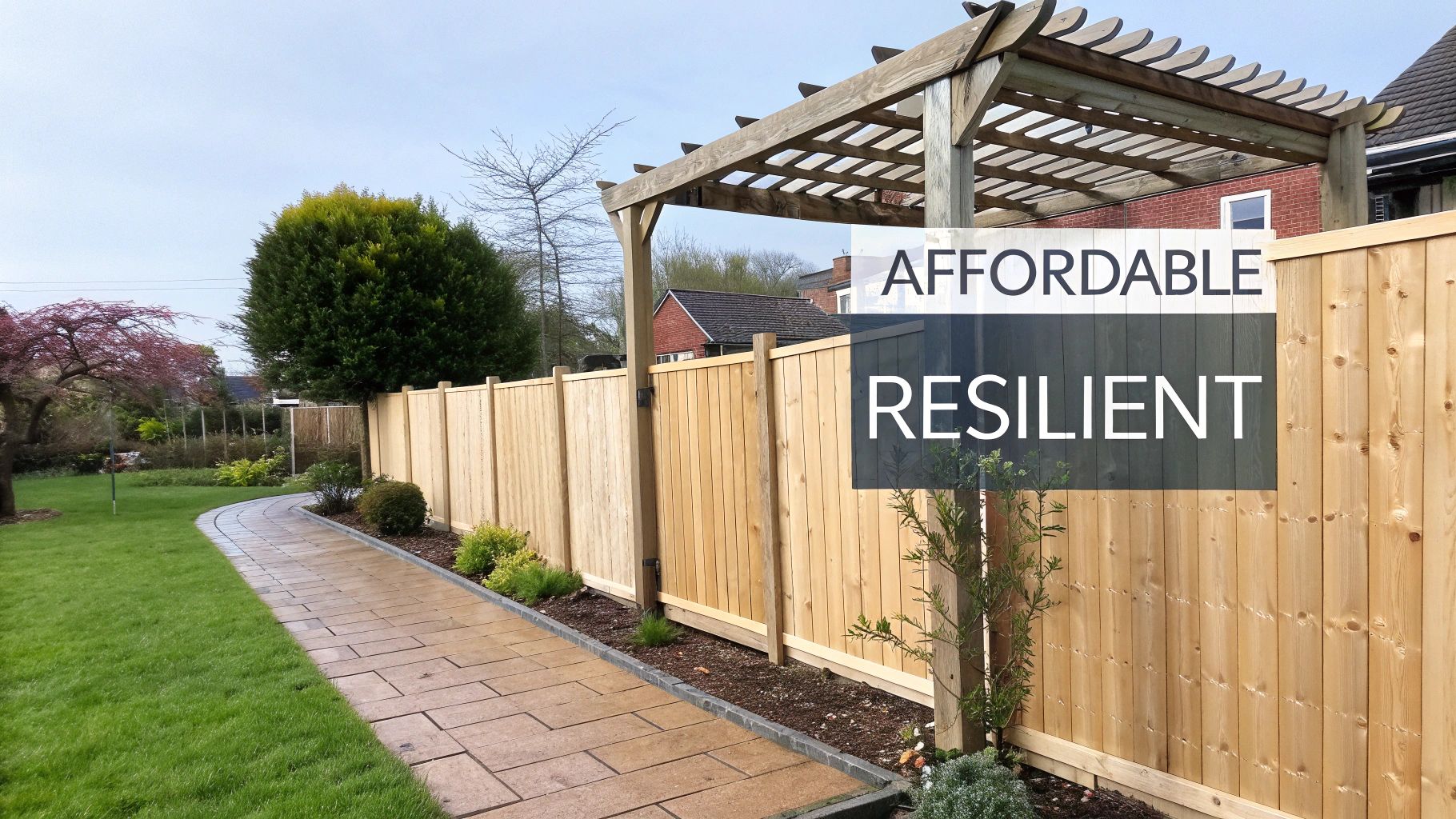
The secret to their success outdoors is all down to their natural chemistry. Woods like Larch, Cedar, and Douglas Fir are packed with resins and oils. This high resin content is the wood’s own built-in defence system, creating a natural barrier against moisture, decay, and hungry insects.
You can think of this resin as the wood’s personal, all-weather jacket. It doesn’t make them invincible like a top-tier hardwood, but it gives them more than enough grit to stand up to the famously damp UK climate for years. This makes them an excellent contender for the best wood for outdoor use when you’re balancing cost against durability.
Top Softwood Contenders for Your Garden
When you start comparing softwoods, a few names always pop up for their reliability and good looks. They might not have the sheer density of their hardwood cousins, but their unique properties make them perfect for a wide range of garden projects.
- Larch: A hugely popular choice here in the UK, especially Siberian Larch, which is prized for its impressive density and high resin content. It starts with a warm, golden-brown colour that weathers beautifully to a classic silver-grey if you leave it untreated. It offers moderate durability, placing it in Class 3.
- Cedar: Western Red Cedar is famous for its stunning reddish-brown hues and exceptional stability, which means it’s far less likely to warp or twist over time. It’s also surprisingly lightweight, easy to work with, and its natural oils give it fantastic rot resistance, putting it firmly in the durable category (Class 2).
- Douglas Fir: Known for its impressive strength and structural integrity, Douglas Fir is another cost-effective yet really robust option. It has a lovely light brown colour and a distinctive straight grain, making it a reliable and attractive material for everything from fences to garden structures.
In the UK, there’s a growing focus on using sustainably managed timber with good outdoor performance. With around 57% of woodland in England now considered sustainably managed, finding reliable sources for timbers like Larch and Douglas Fir is getting easier. This responsible forestry, combined with their natural resilience, makes them an ideal match for UK gardens. You can read more about these efforts in the Forestry Commission’s 2024-25 report.
Expert Tip: If you want to get the most out of any softwood, always consider applying a protective finish. A quality wood sealant or a good penetrating oil can add years to its life by keeping moisture out and ensuring it looks its best.
By choosing one of these tough softwoods and keeping up with a bit of simple maintenance, you can create a beautiful and long-lasting outdoor space that doesn’t cost the earth.
A Different Approach: Modified and Charred Woods
While hardwoods bring raw strength and softwoods offer fantastic value, there’s another category that’s really pushing the boundaries of what wood can do outside. Modified and charred woods are a smart blend of ancient tradition and modern science, taking readily available timbers and boosting their natural qualities to a whole new level.
Instead of just relying on the wood’s built-in defences, these techniques actually change its physical structure. The result is a material that’s often tougher, more stable, and longer-lasting than the original wood ever was. Think of it not as covering the wood up, but as improving it from the inside out.
One of the most visually stunning and effective of these methods is an ancient Japanese technique called Yakisugi. This art of charring timber, also known as shou sugi ban, transforms wood by carefully burning its surface.
The Art and Science of Yakisugi
Yakisugi isn’t just about setting a plank on fire; it’s a precise, controlled process that fundamentally alters the timber’s performance. It involves charring the wood’s face with a powerful flame, dousing it with water to cool it down, and then brushing away the loose soot.
This process leaves behind a beautiful, deep black layer of carbon. But this layer is much more than just a pretty face – it’s a formidable natural shield. It seals up the porous grain of the wood, making it incredibly resistant to water. And where there’s no moisture, the fungi that cause rot simply can’t get a foothold, which massively extends the wood’s lifespan.
Key Insight: The charring in Yakisugi creates a fixed, protective carbon shell. This makes the timber unappealing to insects and highly resistant to UV damage and moisture, all without a single drop of chemical preservative.
This amazing transformation can turn common, sustainable softwoods like Larch into a high-performance material that gives even the toughest tropical hardwoods a run for their money.
Why Charred Wood Excels Outdoors
The advantages of using charred timber go far beyond just being tough. The unique properties created by the Yakisugi process make it one of the very best choices for any demanding outdoor project, especially in the notoriously damp UK climate.
- Exceptional Weather Resistance: The carbonised surface is naturally hydrophobic, which is a fancy way of saying it repels water. This prevents the constant swelling, shrinking, and warping that can plague untreated timber.
- Natural Pest Defence: Wood-boring insects find the charred surface completely inedible. It’s a built-in pest control system that’s entirely non-toxic.
- UV Protection: That dark, carbon-rich layer acts like a permanent sunblock, shielding the wood beneath from the damaging effects of UV rays that cause other timbers to fade and degrade.
- Enhanced Fire Resistance: It might sound completely backward, but charring wood actually makes it more resistant to fire. The burnt outer layer acts as an insulator, making it much harder for the timber to catch alight.
To really see the difference, let’s compare how these materials stack up.
Natural Wood vs. Modified Wood Performance
| Feature | Untreated Larch | Teak (Hardwood) | Charred Larch (Yakisugi) |
|---|---|---|---|
| Durability | Moderate; susceptible to rot without treatment. | Very high; naturally resistant to rot and insects. | Exceptional; highly resistant to rot, moisture & pests |
| Maintenance | Requires regular sealing or oiling to prevent decay. | Low; may require oiling to maintain colour. | Very low; no chemical treatments needed. |
| Stability | Prone to warping and cracking with moisture changes. | Highly stable with minimal movement. | Extremely stable; charring reduces movement. |
| Appearance | Weathers to a silvery-grey over time. | Weathers to a silver patina, retains structure. | Deep, stable black finish with a unique texture. |
| Sustainability | Excellent; often sourced locally in the UK/Europe. | Varies; risk of unsustainable forestry practices. | Excellent; uses sustainable, fast-growing softwoods. |
The table makes it clear: charring elevates a sustainable softwood like Larch to a performance level that can meet or even beat a premium tropical hardwood, but with a completely different aesthetic.
The result is a material that delivers both outstanding performance and a unique, sophisticated look. Its rich texture and dramatic colour have made it a favourite for striking architectural cladding and statement fencing. If you’re curious about how it’s used for buildings, you can dive into our comprehensive guide to charred timber cladding. Yakisugi is a perfect example of how sometimes, the oldest traditions provide the most elegant solutions for today’s design challenges.
How to Maintain Your Outdoor Wood
Choosing the best wood for outdoor use is a brilliant first step, but keeping it looking its best for years to come really boils down to consistent care. Think of it as protecting your investment—a little bit of maintenance ensures your deck, fence, or cladding can handle whatever the unpredictable UK weather throws at it.
The starting point for any good maintenance routine is a proper clean. Outdoor wood is a magnet for dirt, pollen, and mildew, all of which can trap moisture and speed up the decaying process. Often, a simple scrub with a soft-bristle brush and some mild soapy water is all you need to get rid of the surface grime without harming the wood fibres.
Choosing the Right Finish
Once your timber is clean and dry, you need to think about protection. The finish you choose will not only affect the look of your wood but also how well it’s shielded from the elements. It’s all about matching the product to your goals and the specific wood you’re working with.
Generally, you have two main routes to go down:
- Penetrating Oils: These are things like Tung or linseed oil that soak right into the wood’s grain. Instead of sitting on top, they nourish the fibres from the inside, bringing out the wood’s natural colour and stopping it from drying out and cracking. They’re a fantastic choice for hardwoods but do need reapplying every year or so to keep up the protection.
- Surface Sealants: These create a film over the surface of the wood, acting as a physical barrier against rain and damaging UV rays. You can find everything from clear waterproofers to rich, coloured stains. Sealants typically last a bit longer than oils, but you have to be careful with application to avoid any peeling down the line.
No matter what, applying a quality preservative is a non-negotiable step for any outdoor wood. Even the most naturally durable timbers benefit from that extra layer of defence to stop moisture from creeping in and causing rot.
To Weather or Not to Weather
One of the biggest decisions you’ll face is whether to let your wood age gracefully or fight to keep its original colour. Many of the best outdoor woods, like Larch and Cedar, will slowly turn a beautiful, silvery-grey when left to their own devices. This weathered patina is a really popular look in contemporary design, and better yet, it’s very low-maintenance.
On the other hand, if you love the warm, rich tones of freshly installed timber, you’ll need to commit to a bit of a routine. This usually means applying a UV-blocking oil or sealant every one to three years. For a complete rundown on finding the right approach for you, check out our guide on how to protect wood outdoors.
Got Questions? We’ve Got Answers
Choosing the right timber for an outdoor project can feel like a big decision, and it’s natural to have a few questions. Let’s tackle some of the most common ones to give you the clarity you need to move forward.
What About Pressure-Treated Pine? Is It a Good Choice?
You’ll see pressure-treated pine everywhere, and for good reason – it’s affordable and widely available for things like garden fences and decking. The chemical treatment does a solid job of warding off rot and insects.
The trade-off, however, is that it’s not the most stable wood. It has a tendency to warp, twist, or split over time, especially if you fall behind on maintenance. So while it’s a practical workhorse, it doesn’t quite deliver the refined look or longevity you’d get from a premium hardwood or charred timber.
How Long Can I Expect Different Woods to Last Outdoors?
This is where you really see the difference between species. The lifespan of outdoor timber varies dramatically based on the wood itself and how well you look after it.
Here’s a rough guide:
- Tropical Hardwoods: A species like Teak is the king of longevity, easily lasting over 50 years with very little fuss.
- Durable Softwoods: Woods like Larch or Cedar can give you a respectable 20-30 years of service, particularly with a good maintenance routine.
- Pressure-Treated Softwoods: You can typically expect a lifespan of around 15-20 years from these.
- Yakisugi: This ancient charring technique creates a protective layer that can help timber last for an incredible 80+ years.
What’s the Most Eco-Friendly Wood to Use?
The greenest choice is almost always a timber that’s grown locally and sourced from a sustainably managed forest. Here in the UK, that often points towards species like Larch, Douglas Fir, or Oak that carry an FSC or PEFC certification.
Yakisugi is also an excellent option from an environmental perspective. The process takes fast-growing, sustainable softwoods and gives them a level of durability that rivals, and often surpasses, that of imported or slow-growing hardwoods. This clever enhancement reduces the need to harvest more sensitive species, making it one of the best wood for outdoor use choices if sustainability is high on your list.
Ready to bring the timeless beauty and incredible resilience of charred timber to your next project? Explore the full range of cladding, decking, and fencing solutions from TimberSol at https://timbersol-backup.elnoirstudio.com and see how Yakisugi can completely transform your outdoor space.
