
Charred Wood Blog
Cladding a House Cost Your Complete UK Guide

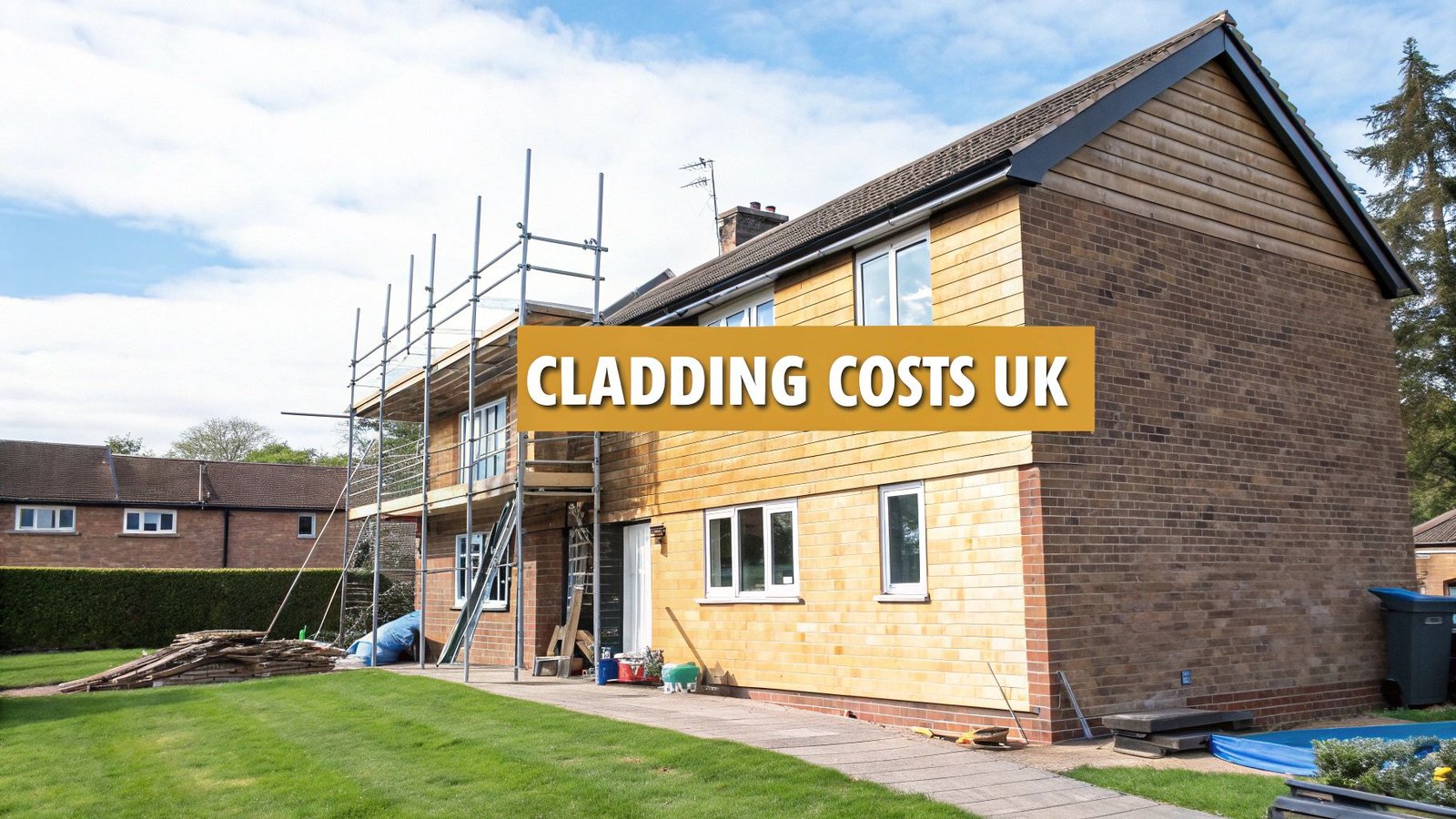
So, how much should you budget to clad your house? Cladding a semi-detached house, here in the UK, costs between £4,500 and £6,500.
Of course, that’s just a ballpark figure. The final depends on what you choose, house size, and location.
What Is the Average Cost to Clad a House in the UK?
The average cost to clad a house in the UK, ranges from (materials only) £40 to £180 per m², with full installation cost for a house (~100 m² external wall area) is around £12,000 – £22,000.Key cost drivers include the cladding material type (e.g., uPVC, timber, fibre-cement), the size and shape of the property.For example, uPVC cladding costs approximately £80/m² fully fitted.If you select premium materials such as aluminium or zinc, the overall project cost increases significantly. This is because the exterior material choice remains the primary factor influencing the final cladding quote, directly impacting both budget and long-term performance.
From wallet-friendly uPVC to beautiful, premium timbers, every option has its own price tag. That includes not just the materials themselves but also the specific skills needed to get them installed perfectly. A small terraced house costs less to cover than a sprawling detached property, but looking at the per-square-metre rate is the best way to compare different projects fairly.
A Snapshot of Cladding Costs
To give you a real sense of what to expect, let’s put some numbers on the table. Breakdown shows the estimated costs for common cladding choices in the UK, giving you an idea of both the per-metre price and what it might add up to for an average home.
Estimated Cladding Costs for a Standard UK House
This table summarises the likely costs, including materials and professional labour, for popular cladding options on a standard semi-detached house.
| Cladding Material | Average Cost per m² (Materials & Labour) | Estimated Total for a 3-Bed Semi |
|---|---|---|
| uPVC | £60 – £90 | £5,000 – £7,500 |
| Timber (Softwood) | £70 – £110 | £6,000 – £9,000 |
| Fibre Cement | £90 – £130 | £7,500 – £11,000 |
| Aluminium | £150 – £230 | £12,000 – £18,000 |
The differences are significant. These figures give a solid foundation for budget building.
For example, cladding for a two-bedroom house in timber costs around £4,500. If you decided to go for aluminium cladding, that could cost around £6,500.
If you’re exploring unique finishes, it’s also worth checking out our guide on charred wood siding cost to understand the pricing for specialist techniques like Yakisugi. This initial estimate is your starting point, now let’s dig into what actually drives these prices up or down.
Decoding Your Cladding Quote: The Key Cost Factors
Initial quotes for cladding can vary significantly because the final cost is a combination of multiple components.
The biggest driver of cladding cost is the material you choose. Materials range from affordable uPVC to premium hardwoods or natural stone that make a real architectural statement.
The size and shape of your home are the next major factors in determining cost. A straightforward, two-storey rectangular house is a relatively simple job. But start adding multiple storeys, bay windows, dormers, and complex rooflines, and the job gets trickier. All those extra angles mean more intricacy, material wastage, and labour time, which all pushes the price up.
Your Property and Location
Design of your home is not the only factor that affects cladding cost; its current state and even your postcode play a part based on bcis.co.uk data.
Labour rates vary across the UK. Skilled installers in London/Southeast have higher day rates than in North/Wales. This regional difference alone can add a hefty percentage to the overall bill.
You also have to consider the condition of the exterior walls. Is there old, rotten cladding that needs to be stripped off and carted away? Does the underlying brickwork need repointing before cladding? Any remedial work is an extra line item on your quote, so a pre-installation inspection is crucial.
UK building material costs have been on a rollercoaster. Prices jumped by 46% between July 2020 and July 2022, thanks to supply chain chaos and other economic pressures. While things have calmed down a little, costs remain high – pre-cast concrete, for example, is still up by 63% since 2020. You can read more about the trends in building material prices to see how this might affect your project’s budget.
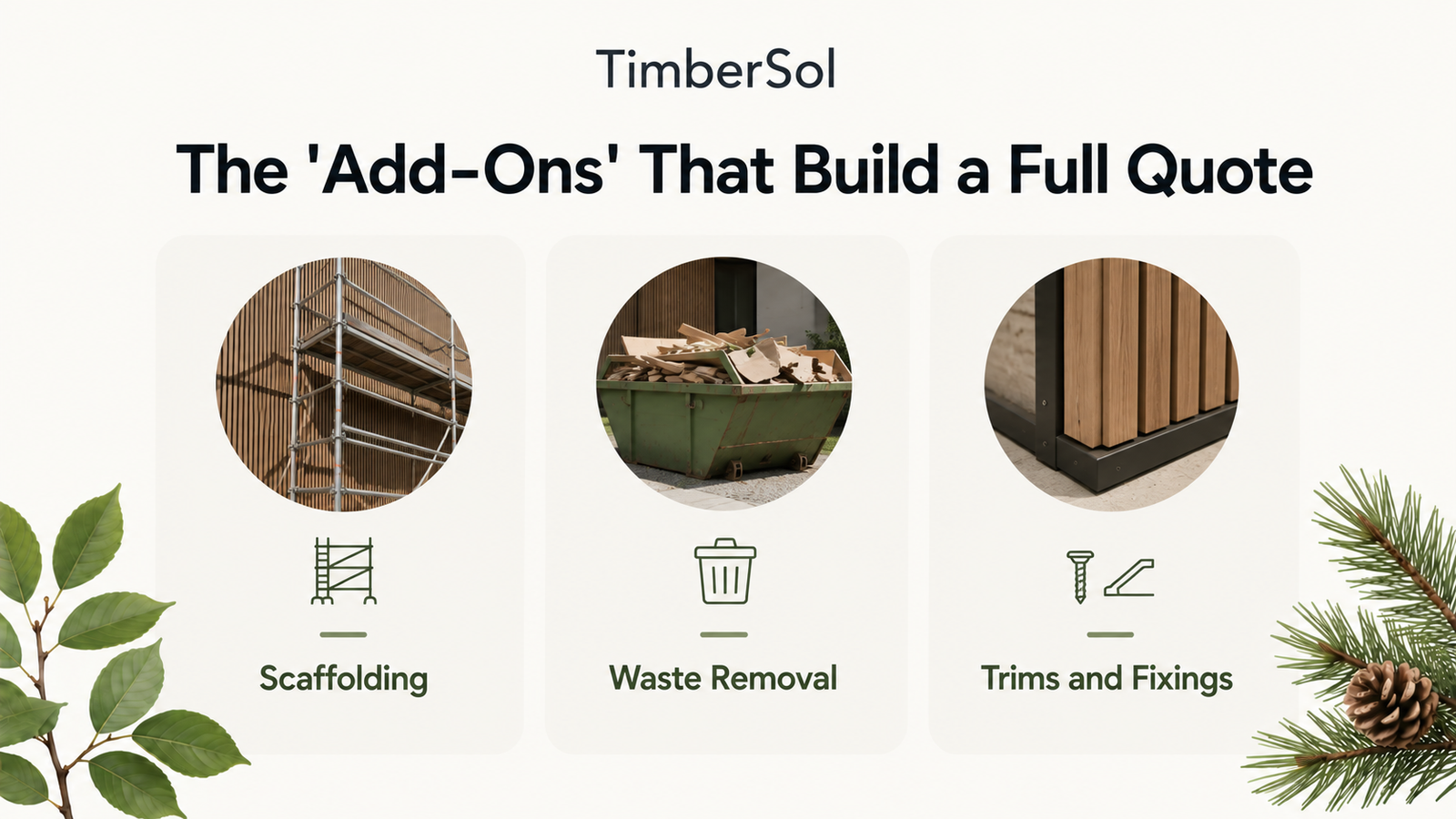
The ‘Add-Ons’ That Build a Full Quote
A professional quote includes more than just the price of the cladding boards and the fitter’s time. A few other essential costs are almost always included, and you need to be aware of them.
- Scaffolding: Scaffolding is essential for safety and a proper installation. The hire cost can range from a few hundred pounds to well over a thousand pounds.
- Waste Removal: Tearing off old materials and cutting new boards creates a lot of rubbish. Waste removal requires hiring a skip to keep the site clear and dispose of everything correctly.
- Trims and Fixings: Trims and fixing include corner pieces, ventilation strips, colour-matched screws, and sealants might seem minor, but across an entire house, these necessary components certainly add up.
Choosing the Right Cladding Material for Your Budget
Picking the right material is the biggest decision for your cladding project. It’s the factor that influences the initial cladding cost, it also dictates appearance and future upkeep. Think of it less as a simple price tag comparison and more about finding that sweet spot between your budget, aesthetic goals, and long-term commitment.
Each cladding material offers distinct advantages and drawbacks for homeowners balancing cost and maintenance. For instance, if you’re leaning towards a natural look, a guide on choosing outdoor wall tiles stone can give you a feel for the different textures and price points involved.
Comparing Popular Cladding Materials
Right, let’s dive into the most common cladding choices here in the UK and see how they stack up, looking at both the upfront cost and what they offer over the long run.
Timber Cladding is known for classic, natural beauty. You’ve got a huge range of options, from affordable softwoods like pine to incredibly durable hardwoods like oak. Modified timbers like Yakisugi offer a stunning charred finish and impressive resilience. You can get a deeper look at the different types in our detailed guide to external timber cladding.
If you’re considering charred timber cladding, we offer several charred timber options for different budgets and architectural styles, including Charred Spruce Cladding which provides lightweight, cost-efficient coverage, Charred Douglas Fir Cladding that offers bold grain definition and structural presence, Charred Larch Cladding which is ideal for resin-rich durability in exposed conditions, Charred Accoya Cladding that delivers maximum dimensional stability, and Charred Thermowood Cladding that offers enhanced resistance to movement and low maintenance.
uPVC Cladding is a budget-friendly option. uPVC (unplasticised polyvinyl chloride) is a solid, practical choice if your main priorities are low cost and minimal maintenance. It’s light, quick to install, and available in many colours, though it lacks the premium feel of natural materials.
Fibre Cement Cladding is a versatile, mid-range option that gives you the best of both worlds. Fibre Cement is made from sand, cement, and cellulose fibres, it can mimic the look of timber or stone. The real win, though, Fibre Cement offers Excellent fire resistance and low maintenance.
Aluminium Cladding sits at the premium end of the market, aluminium delivers a sharp, modern finish. It’s incredibly durable, lightweight, and rust or corrosion resistant. The initial outlay is definitely higher, but its long life and near-zero upkeep.
Expert Tip: Price per square metre should not be the only factor considered. The true cost of material includes the entire lifecycle. A cheaper option that may need painting every few years can make cheap options more expensive over time based on bcis.co.uk data.
To give you a clearer picture, here’s a table that compares these materials side-by-side, helping you weigh up what matters most for your home.
Cladding Materials Comparison Guide
This guide breaks down the key features of popular cladding materials to help you make an informed decision based on cost, longevity, and maintenance requirements.
| Material | Average Cost per m² | Lifespan | Maintenance Level | Pros & Cons |
|---|---|---|---|---|
| Timber | £70 – £165 | 20-50+ years | Moderate to High | Pros: Natural aesthetic, sustainable options. Cons: Requires regular treatment, susceptible to rot if not maintained. |
| uPVC | £60 – £90 | 20-30 years | Very Low | Pros: Affordable, easy to clean, lightweight. Cons: Can become brittle, less premium appearance. |
| Fibre Cement | £90 – £130 | 40-50 years | Low | Pros: Fire-resistant, durable, versatile looks. Cons: Heavier than uPVC, can be brittle before installation. |
| Aluminium | £150 – £230 | 40+ years | Very Low | Pros: Modern look, corrosion-resistant, long-lasting. Cons: Higher initial cost, can dent on impact. |
Ultimately, the right cladding material balances architectural style, budget and future maintenance effort.
How Labour and Installation Affect Your Final Cost
The price of the cladding boards is only half the story. The labour cost is a major part of the final bill, and understanding how installers price their work is key to creating an accurate budget.
When you get quotes, you’ll find that professionals price their services in a few different ways. Some professionals give a fixed project fee, which is great for peace of mind with total cost upfront. Other professionals prefer to charge a day rate, which can offer flexibility but makes it a final figure harder to estimate.
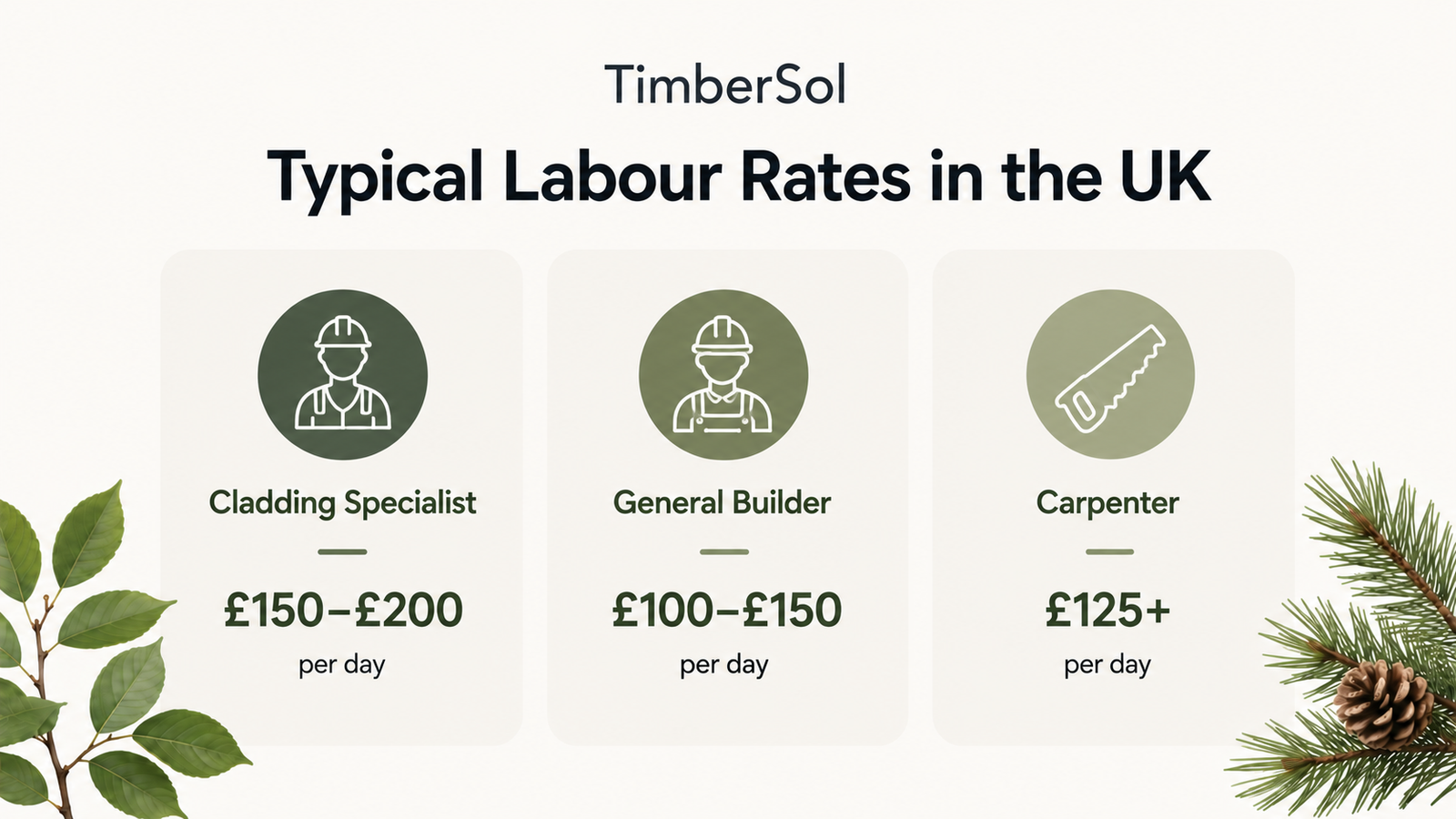
Typical Labour Rates in the UK
So, what can you expect to pay? To give you a rough idea, the day rate for a skilled tradesperson falls into a fairly predictable range. This isn’t just for their time; it includes their expertise, specialised tools, and the guarantee of a high-quality finish.
- Cladding Specialist: Cladding specialist charges £150 to £200 per day. A cladding specialist provides expertise to ensure proper weatherproofing.
- General Builder: General builder charges £100 to £150 per day.
- Carpenter: Carpenter is a good choice for Timber or composite cladding. Carpenter charges starting from £125 per day.
It’s worth remembering that these are just average figures. Prices in London and the Southeast are almost always higher, and an installer’s reputation and workload can also influence their rates.
Home’s design complexity plays a huge role in determining labour cost. A simple, flat wall on a bungalow is one thing. But a two-storey house with complex features? That’s a different beast entirely. It requires more intricate cutting and fitting, which naturally pushes up the labour time and cost.
The DIY vs Professional Debate
Installing the cladding yourself is tempting for cost savings. But this isn’t a simple weekend project; it’s a job that requires serious skills and precision.
A professional installation acts as the first line of defence against the weather. Getting it wrong can lead to water ingress, damp and rot. Professionals have the right tools and equipment, like saws designed for perfect cuts to the proper scaffolding for safe access. They also understand ventilation requirements behind the boards, which is crucial for a long-lasting result.
If you want to get a better sense of what’s involved, you can read more about the professional installation of cladding and see why expert knowledge makes such a difference.
While the DIY route looks cheaper on paper, the cost of fixing a botched job can wipe out any initial savings. For a truly weatherproof, durable, and professional finish that adds value to your home, investing in a skilled installer is almost always the smart move.
Thinking Beyond the Upfront Price: Hidden Costs and Long-Term Gains
Quote for cladding often focuses on the initial number for materials and labour cost. But a smart homeowner knows that the real cladding cost is a bigger picture. It’s an investment, and like any good investment, it has both hidden costs and long-term payoffs that are crucial to understand.
One of the biggest returns you’ll see is on your energy bills. Think of high-quality cladding, especially when paired with good insulation, as wrapping your home in a thermal blanket. It keeps the warmth in during winter and the heat out during summer.
Good cladding improves EPC Energy Performance Certificate (EPC) rating for your property. A higher EPC makes your home more attractive to future buyers which means lower heating and cooling bills. Those savings can often offset a significant portion of installation cost.
Getting the Paperwork Right: Regulations and Permissions
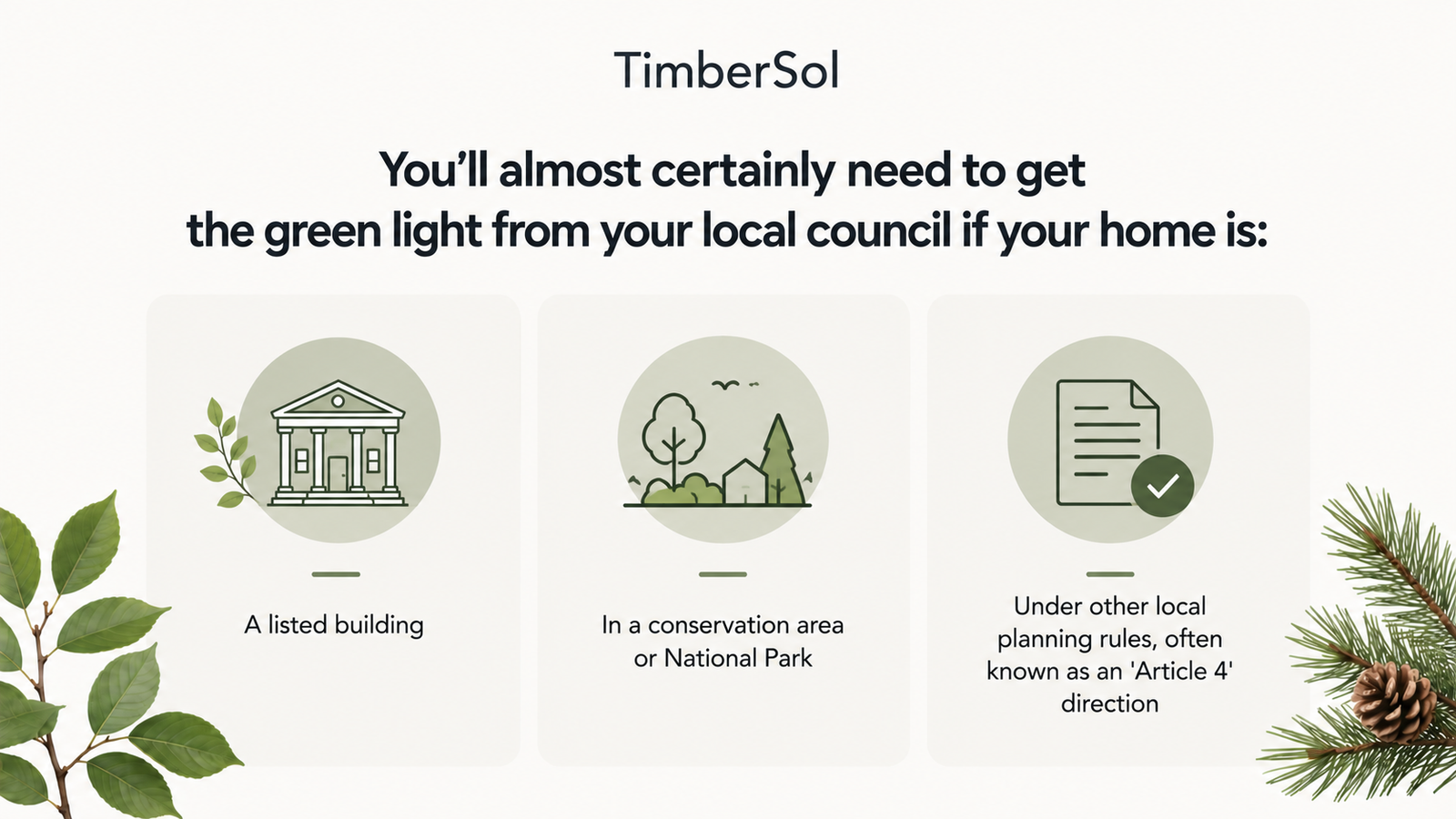
Before any work kicks off, you need to navigate the world of local regulations. While many cladding jobs are often considered “permitted development” (meaning you don’t need formal planning permission), you can’t just assume this applies to you.
You’ll almost certainly need to get the green light from your local council if your home is:
- A listed building
- In a conservation area or National Park
- Under other local planning rules, often known as an ‘Article 4’ direction
Don’t skip this step. Calling your local planning authority can save you from major headaches and fines. If you do need to apply for permission, remember to budget a few hundred pounds for the application fees.
Building regulations are separate, but equally important. Building regulations focus on safety and performance. The tragic Grenfell Tower fire led to a complete overhaul of these standards, and non-compliance is not an option. The cost to fix unsafe cladding is estimated at £16.6 billion for buildings over 11 metres, it shows just how serious and expensive getting this wrong can be. You can read more about the ongoing UK government building safety remediation efforts.
By investing in compliant, high-quality materials and professional installation improves your home’s appearance, safeguards structural integrity, boosts its market value, and ensures safe, energy-efficient living for years.
Looking at the project from all angles helps you make a sound financial decision. Exploring various strategies to reduce construction costs ensures investment delivers the best possible value.
Your House Cladding Cost Questions Answered
Starting a cladding project can feel like a big undertaking, and it’s natural to have questions, especially when it comes to the budget and project scope. To help you feel more confident in your planning, we’ve pulled together the most common cladding cost and laid out some clear, straightforward answers.
Can I Install House Cladding Myself to Save Money?
On the surface, a DIY installation appears budget-friendly on the surface. However, unless you have solid, hands-on experience, this is one job best left to the professionals.
Why? Because proper fitting is crucial for cladding. The primary job of cladding is to weatherproof your home, and even tiny mistakes in installation can compromise that. We’re talking about issues like water ingress, damp, and poor insulation, which can lead to eye-watering repair bills later on. You’d also need specialist gear like scaffolding. Professional installation results in durable, flawless finish. In the long run, paying for a professional is a wise investment.
How Can I Get an Accurate Quote for My Project?
Getting a reliable quote depends on the right information from the start. The best way to start is contacting multiple companies to see how their offers stack up.
To help them price your job accurately, you’ll want to have this information ready:
- Approximate Measurements: Give a rough idea of the total square meterage to cover.
- Material Choice: Should be communicated to the installer. Material options can include Timber, fibre cement, or other types.
- Property Photos: Snapping a few pictures of your house helps them see the layout, access points, and challenges.
Good installer insist on a proper site visit before finalising a price. Site visit allows precise measurements, check the condition of your existing walls, and spot any tricky areas. Always ask for a detailed, itemised quote that separates the costs for materials, labour, scaffolding, and waste disposal.
An itemised quote is the best tool for comparing offers fairly. It prevents hidden costs and ensures you know exactly what you are paying for.
Does New Cladding Add Value to My House?
Absolutely. New cladding boosts property’s value, and it works in a couple of ways. The most obvious one is “kerb appeal.” A beautifully clad home creates a fantastic first impression that can make your property stand out to potential buyers.
But it’s not just about looks. High-quality cladding also improves your home’s thermal insulation, which can bump up its Energy Performance Certificate (EPC) rating. A better EPC rating signals lower energy bills and a more comfortable home. It’s this powerful combination of stunning aesthetics and real long-term energy savings that truly adds value.
Do I Need Planning Permission to Clad My House?
In many cases across the UK, cladding is considered “permitted development,” meaning you don’t need formal planning permission. That said, this isn’t a blanket rule, and there are some important exceptions to be aware of.
You will almost certainly need to get permission if your home is:
- A listed building.
- Located within a conservation area.
- Situated in a National Park or an Area of Outstanding Natural Beauty (AONB).
It’s also worth noting that if the materials you’ve chosen are different from what’s typical in your neighbourhood, the local authority might require you to submit an application. The safest bet is always to have a quick chat with your local planning office before you commit to any work.
At TimberSol, we specialise in creating beautiful, durable, and sustainable timber solutions. If you’re inspired by the timeless appeal of natural wood, explore our range of high-quality charred timber cladding. Discover how our Yakisugi products can transform your home by visiting us at https://timbersol-backup.elnoirstudio.com.
