
Wood cladding for interior walls: transform your space

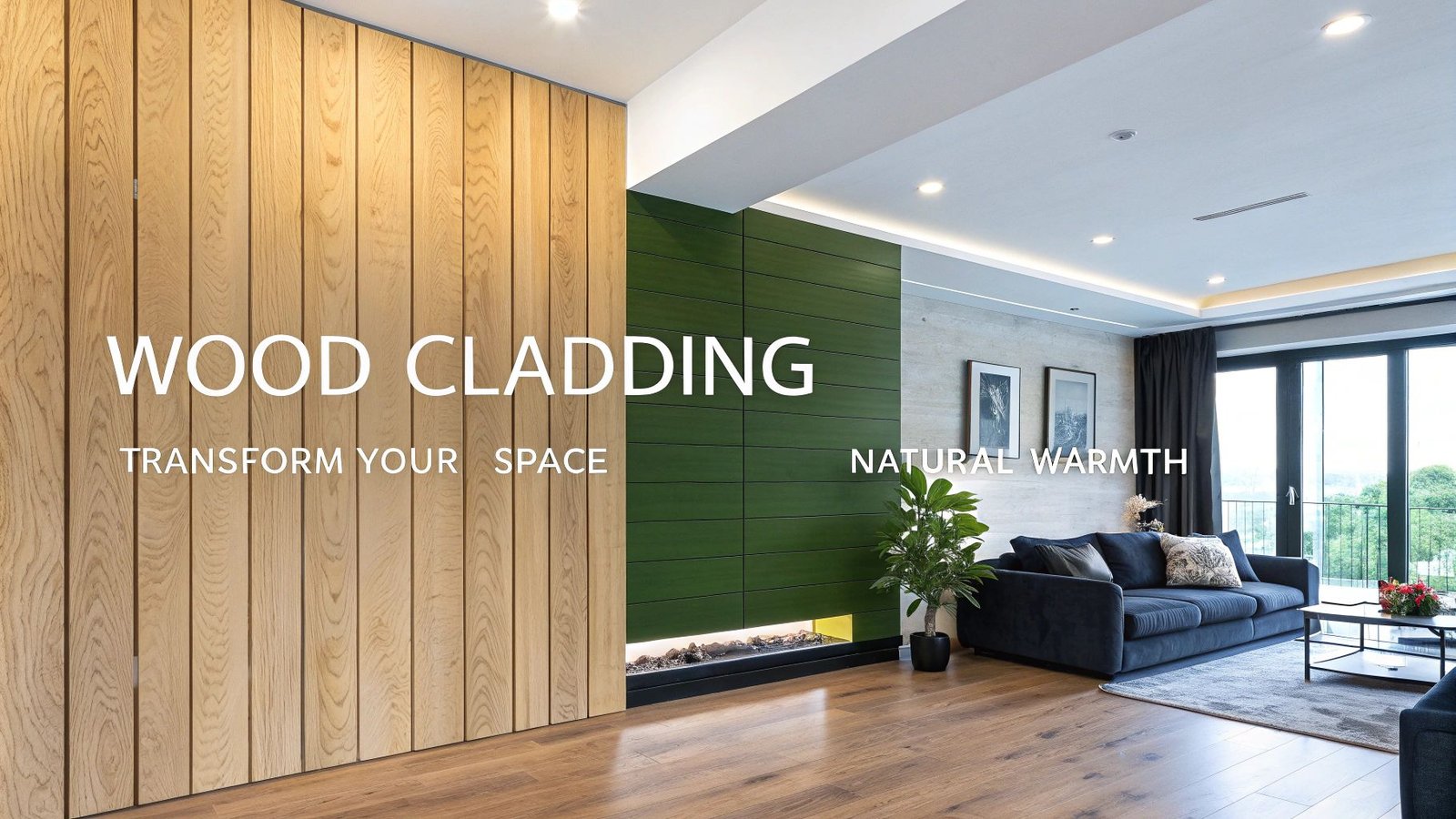
Interior wood cladding for walls is a timber wall finish that enhances indoor spaces by adding texture, warmth, and architectural character. It improves aesthetics, supports insulation and acoustics, and works across a wide range of styles—from rustic to modern interiors.
When thinking about updating a room, paint or wallpaper are often the first options that come to mind. But what if you could go beyond simply adding colour? What if you could introduce texture, warmth, and a genuine sense of character? That’s where interior wood cladding comes in.
It’s more than just a surface covering—it’s a powerful architectural feature. Using real timber on your walls can transform a plain, sterile space into a warm, inviting environment, while creating a tangible connection to the natural world.
This article explains how interior wood cladding transforms walls by adding warmth, texture, and natural character to a room. It covers timber types, cladding profiles, practical benefits, design ideas, installation, maintenance, and sustainable sourcing in the UK.
Why Choose Wood Cladding for Interior Walls
Wood cladding is a popular choice for interior walls because it adds warmth, texture, natural insulation, and timeless style to any space.
Imagine a room that feels cold or impersonal. Now picture one of its walls finished with rich, textured timber—the entire atmosphere changes. That’s the true impact of interior wood cladding. It goes beyond short-lived trends, introducing an organic and enduring quality into your home.
One of the key strengths of wood is its versatility. It fits effortlessly into a minimalist, Scandi-inspired interior, while also enhancing the warmth of a cosy, rustic farmhouse setting. It’s about creating a specific mood within the space.
The Connection to Biophilic Design
The appeal of wood cladding is closely linked to biophilic design—the concept that humans have an inherent need to connect with nature. Introducing natural materials like timber into interior spaces can have a noticeable impact on wellbeing, with studies suggesting it may help reduce stress and improve concentration.
Wood does more than simply cover a wall; it brings a sense of calm and a natural narrative into a space. Its unique grain, colour, and texture engage the senses, helping to create an environment that feels more grounded and authentic.
This is what makes wood cladding such a strong choice for interiors that are not only visually appealing but also genuinely restorative to spend time in.
More Than Just a Wall Covering
Unlike a flat coat of paint or a repeating wallpaper pattern, wood cladding introduces genuine depth and dimension to a space. It becomes a dynamic architectural feature that can influence how a room is perceived. The lasting appeal of timber is well established, and this detailed guide on the benefits of wooden interiors explores its timeless value and versatility.
The direction of the cladding plays a key role in shaping the feel of a room:
- Vertical cladding – draws the eye upward, creating the illusion of height and making lower ceilings feel more open and airy.
- Horizontal cladding – emphasises width, helping a room feel more expansive while adding a sense of balance and stability.
Whether used as a bold feature wall behind a sofa or as a subtle, calming backdrop for a bed, wood cladding offers a wide range of design possibilities. It’s a choice that adds long-term value and a distinctive character to any UK home.
Exploring Different Wood Types and Cladding Styles
Choosing the right wood is one of the most important decisions you’ll make. The timber you select defines the overall tone of the room—from colour and texture to the atmosphere it creates. Understanding your options is key to finding the best fit for your vision and for UK homes in particular.
In most cases, the decision comes down to two main timber families. Understanding the differences between them is an essential first step. For a more detailed comparison, see our guide on the differences between hardwood and softwood.
Common Woods for Interior Cladding
Every type of wood has its own distinct character. Here’s an overview of some of the most popular choices for interior wall cladding:
- Oak – a true classic. As a hardwood, oak is valued for its strength and prominent grain, bringing a warm, traditional feel that works well in spaces like living rooms or studies where timeless elegance is key.
- Pine – a widely available softwood and a cost-effective option with plenty of character. Its light tone and visible knots create a bright, rustic look, making it ideal for cosy, Scandi-inspired or modern farmhouse interiors.
- Cedar – known for its rich reddish hues and distinctive aroma, cedar is a softwood with impressive durability, as are options like douglas fir wood cladding. Its natural resistance to moisture makes it well-suited for well-ventilated bathrooms or kitchens, adding an earthy yet refined touch.
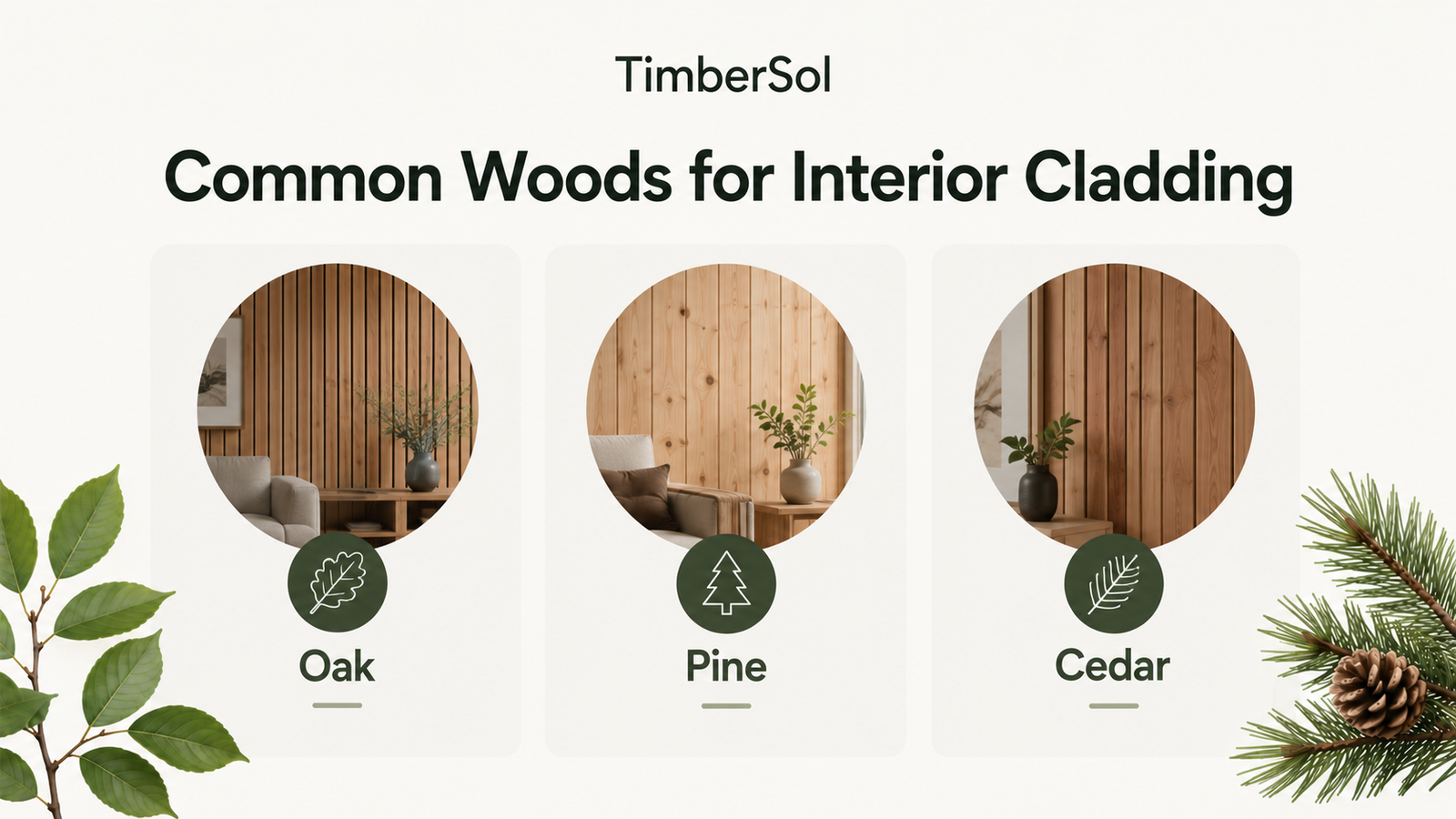
To help visualise the differences, here’s a quick comparison of these popular choices.
Comparing Popular Interior Wood Cladding Options
This table provides a clear snapshot of what each wood offers, helping you match your aesthetic preferences with your budget and practical requirements.
| Wood Type | Appearance & Grain | Typical Cost | Best For |
|---|---|---|---|
| Oak | Warm tones, prominent and traditional grain pattern. | High | Creating a timeless, elegant feel in living rooms or studies. |
| Pine | Light, bright colour with distinctive knots. | Low | Achieving a rustic, Scandi, or modern farmhouse aesthetic. |
| Cedar | Rich reddish hues, fine grain, and a luxurious finish. | Medium-High | Adding warmth to kitchens or well-ventilated bathrooms. |
While each option has its own unique character, the best choice ultimately depends on the specific atmosphere you want to create in your home.
The UK wall cladding market has evolved significantly over the past 15 years. Although materials like PVC remain popular due to their low-maintenance qualities, timber continues to hold a strong position in interior design—valued for its timeless appearance and natural insulating properties. This is reflected in market trends, with one major UK cladding company reporting a 55% increase in sales over just two years, highlighting growing demand among homeowners. Even as colour trends shift, the natural warmth of wood ensures it remains a consistently preferred choice.
Defining Your Look with Cladding Profiles
Beyond the choice of wood, the cladding profile—the shape of the boards and how they interlock—plays a major role in the final appearance. It defines shadow lines, depth, and texture, significantly influencing the overall visual impact of a wall.
You can think of the cladding profile as the brushstroke in a painting. Even subtle variations can shift the look from rustic and traditional to clean and contemporary. It’s where raw timber meets intentional design.
Some of the most common profiles include:
- Tongue and Groove – features a “tongue” on one edge that fits into a “groove” on the next board, creating a smooth, near-seamless surface with fine joint lines and a clean, polished finish.
- Shiplap – designed with overlapping edges, producing more defined shadow lines and a slightly more rustic, characterful appearance—ideal for a feature wall.
- Slatted Panels – arranged with deliberate gaps between each plank, these create a bold, three-dimensional effect that adds depth and strong architectural interest, particularly when installed vertically.
It’s also worth considering how different cladding profiles interact with traditional interior features. For example, understanding what a chair rail is can help you visualise how modern slatted panels might contrast with classic architectural details.
Unique Finishes: Yakisugi Charred Timber
For a truly dramatic effect, the ancient Japanese technique of charring wood offers a striking solution. Known as Yakisugi (also referred to as Shou Sugi Ban), this method involves carefully burning the surface of timber planks to create a distinctive and highly resilient finish, as seen in charred douglas fir cladding.
The process transforms the wood, enhancing its natural grain and producing a deeply textured surface, often described as reptilian in appearance. Depending on the timber species and the level of charring, the final finish can range from rich charcoal tones to a subtle, silvery-black sheen.
But Yakisugi is not only visually impactful. The charring process naturally seals the timber, improving its resistance to fire, rot, and pests. This makes it a durable and long-lasting option for wood cladding for interior walls. Incorporating Yakisugi into an interior space introduces both craftsmanship and heritage—creating a feature that stands out as both functional and visually compelling.
The Practical Benefits of Timber Wall Cladding
While wood cladding for interior walls delivers strong visual appeal, its real value lies in the practical, everyday benefits it brings to your home. It goes beyond a purely decorative feature, becoming a functional upgrade that enhances comfort and adds long-term value.
Looking beyond aesthetics, timber wall cladding offers a range of performance benefits that make it far more than just a design choice.
A Natural Thermal Insulator
Wood is an excellent natural insulator. Its cellular structure contains countless tiny air pockets that slow down the transfer of heat—almost like giving your walls a built-in layer of insulation.
In practical terms, this means improved comfort throughout the year. During cold UK winters, wood-clad walls help retain warmth, making spaces feel cosier without relying as heavily on heating. In warmer months, they help limit heat gain, keeping interiors more comfortable. This natural temperature regulation can reduce the demand on heating and cooling systems, with potential savings reflected in energy costs over time.
Creating Quieter Spaces with Acoustic Damping
In an increasingly noisy world, creating a quiet home environment is more important than ever. This is another area where wood performs exceptionally well. Unlike hard surfaces such as plaster or glass, which reflect sound and create echoes, timber helps absorb sound waves.
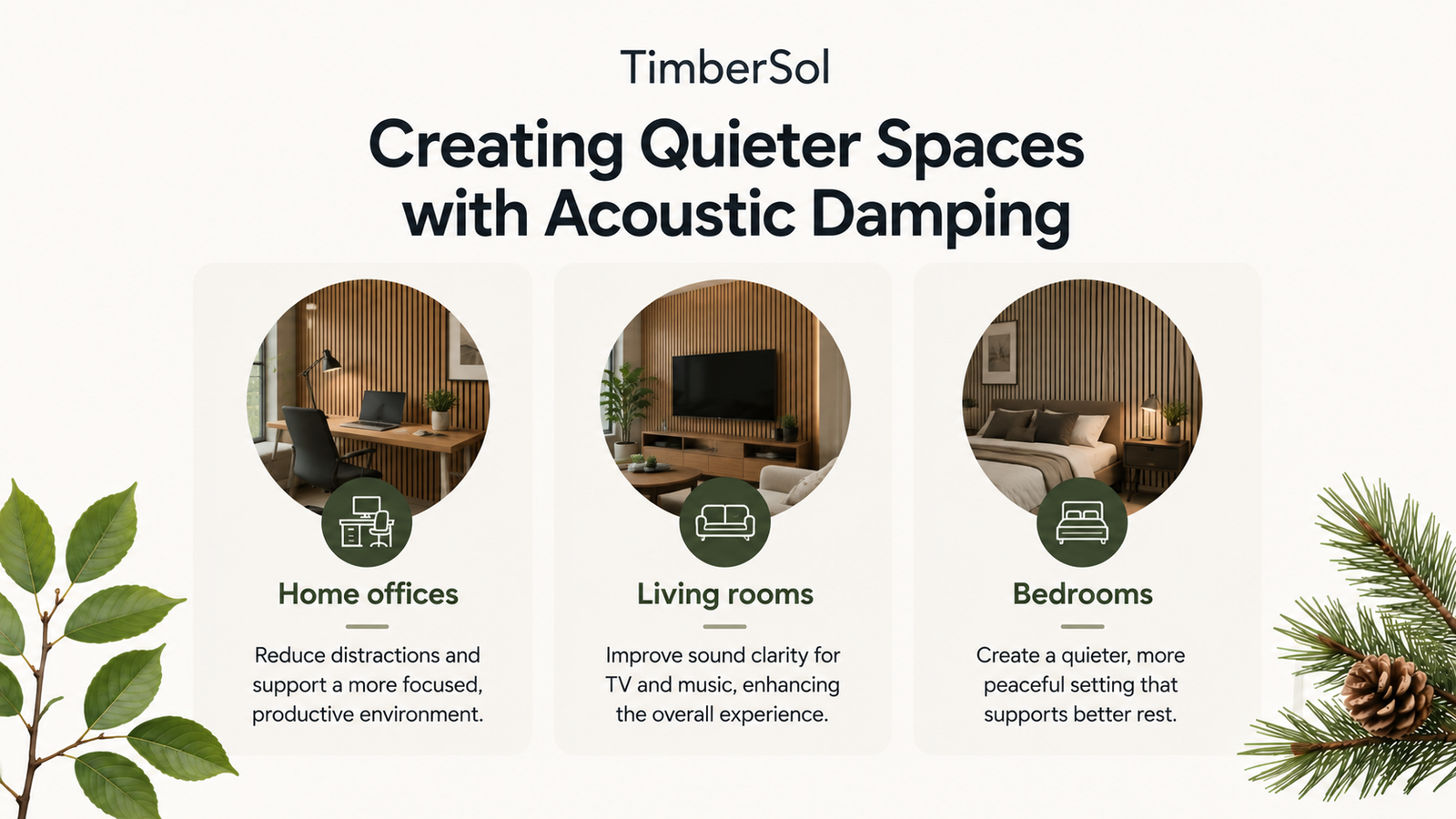
A timber-clad wall can significantly improve a room’s acoustics by softening sound and reducing echo. This makes a noticeable difference in spaces where sound quality matter most:
- Home offices – reduce distractions and support a more focused, productive environment.
- Living rooms – improve sound clarity for TV and music, enhancing the overall experience.
- Bedrooms – create a quieter, more peaceful setting that supports better rest.
In effect, timber cladding helps transform a space from an echo-prone environment into a calm, comfortable retreat.
Durability and Long-Term Value
When properly maintained, wood is a highly durable material designed to stand the test of time. Unlike paint that can chip or wallpaper that may peel, a well-installed timber wall can retain its appearance for decades, becoming a lasting and valuable feature within the home. This longevity makes it a cost-effective solution over the long term.
The demand for natural and sustainable materials continues to grow. With the UK government investing approximately GBP 9.6 billion in housing development in 2021/22, interest in high-quality materials such as timber is increasing. Homeowners and developers are prioritising solutions that combine visual appeal with practical performance, positioning wood as a highly desirable choice.You can find more detail on the UK timber cladding market on mordorintelligence.com.
Installing wood cladding is more than a passing design trend—it’s a meaningful upgrade that adds lasting character and tangible value to your property. It represents an investment that delivers both everyday comfort and long-term resale appeal.
By choosing wood, you’re not only enhancing your living environment today but also adding enduring value for the future. Its combination of thermal efficiency, acoustic comfort, and durability makes it one of the most practical and effective improvements for any interior space.
Inspiring Design Ideas for Your Home
This is where the creative process truly begins. Having covered the what and why, it’s time to focus on the how—how wood cladding for interior walls can transform a space. Rather than abstract ideas, these are practical, design-led approaches to help shape your own vision.
Whether you’re looking for a subtle natural accent or a bold architectural feature, wood is one of the most versatile materials available. It adapts effortlessly to different styles, from calm to striking and expressive.
Create a Striking Living Room Feature Wall
The living room is often the central social space in a home, making it an ideal place to introduce a feature that stands out. A timber-clad wall positioned behind a sofa or TV unit naturally becomes a focal point, helping to anchor the entire room.
Think of it as a built-in design feature. The natural grain, tonal variation, and texture of wood add depth that goes far beyond what paint alone can achieve. It’s an effective way to bring warmth and personality into a space used for both relaxation and entertaining.
For a sleek, contemporary look, dark and smooth cladding pairs well with minimalist furniture. Alternatively, for a more relaxed and rustic feel, lighter, knotty pine creates a warm and inviting atmosphere.
Craft a Serene Bedroom Retreat
Your bedroom should feel like a true sanctuary—a space to unwind and recharge. Wood cladding is particularly effective at creating this kind of environment. Installing timber behind the bed can act as an integrated, natural headboard, adding both warmth and tactile depth to the room.
The effect is visually striking while also emotionally grounding. Light, vertical oak slats can create a clean, Scandinavian-inspired look, while reclaimed timber introduces a more rustic, farmhouse-style character. This single design choice can make a room feel noticeably softer and more inviting compared to standard plastered walls.
Incorporating wood in the bedroom also aligns with biophilic design principles—our natural connection to the outdoors—helping to create a space that supports relaxation and more restful sleep.
Design Ideas for Different Styles
One of the key advantages of wood cladding is its versatility—it can adapt to almost any interior design style. The key is selecting the right combination of timber, profile, and finish to achieve the desired look.
Here are some popular styles to consider:
- Scandinavian Minimalist – focused on simplicity, light, and natural textures. Light-toned woods such as Pine or pale Oak work best, installed in clean tongue and groove or vertical slatted profiles. The result is a bright, airy space with subtle texture.
- Rustic Farmhouse – defined by warmth and character. Reclaimed timber or knotty Pine in a shiplap profile creates a cosy, lived-in feel. Natural imperfections, grain patterns, and knots add depth and a sense of history.
- Modern Industrial – built on contrast between raw and refined materials. Dark, charred Yakisugi cladding (also known as shou sugi ban) pairs effectively with exposed brick, polished concrete, or black metal details. The deep, textured finish of the charred wood adds a bold, architectural edge.
The Art of Pairing Materials
Great interior design often comes down to how different materials interact. While wood cladding is visually strong on its own, its impact is significantly enhanced when combined with contrasting textures and colours.
The key is balance. A rugged, rustic timber wall can be offset by smooth, contemporary furniture to create contrast and visual interest. Conversely, clean, modern wood slats can be softened with tactile elements such as plush rugs or velvet cushions..
Consider these effective material pairings:
- Wood and exposed brick – a timeless combination that blends rustic warmth with an industrial edge
- Wood and concrete – creates a modern, architectural aesthetic by contrasting warm and cool tones
- Wood and bold paint – deep, rich colours like charcoal grey or navy blue can enhance a timber feature wall
By thoughtfully combining materials, a space can move beyond simple decoration to feel more intentional, balanced, and full of character.
Bringing Your Vision to Life: Installation and Upkeep
https://www.youtube.com/embed/kbAJtCUoF50
You’ve chosen the perfect timber—now it’s time to bring your vision to life. Proper installation is crucial, as it determines whether your feature wall becomes a long-lasting asset or a source of future issues.
The good news is that once installed, timber cladding is relatively easy to keep looking its best.
Let’s walk through what’s involved, whether you’re taking on a DIY project or working with an experienced professional.
A Quick Look at DIY Installation
Considering a DIY approach? Installing wood cladding can be a highly rewarding project, as long as it’s approached with careful preparation and patience.
Here’s a breakdown of the basic process:
- Prepare the wall – ensure the surface is clean, dry, and as level as possible. This includes removing old wallpaper, filling cracks, and checking that the surface is solid.
- Install support battens – a crucial step. Timber battens are fixed horizontally to create a stable framework for the cladding. They also form an air gap behind the boards, allowing the timber to breathe.
- Cut and fit the boards – measure accurately before cutting each board to size. The boards are then fixed to the battens using nails, screws, or, in some cases, a strong adhesive, depending on the cladding system.
One common mistake is spacing the battens too far apart. This can lead to warping or bowing over time. As a general guideline, keep spacing to a maximum of 600mm between battens to ensure a stable and long-lasting finish.
Knowing When to Call in the Pros
While DIY installation can work well for many projects, there are situations where bringing in a professional is the better choice. If your space includes complex angles, uneven walls, or you’re working with premium materials like Yakisugi—which require a more specialised approach—it’s often worth hiring an experienced joiner or carpenter.
A skilled tradesperson can achieve a precise finish, typically in less time and with fewer risks. When choosing a professional, it’s important to review examples of their previous work and check references. This helps ensure they have the experience needed for interior wood cladding projects.
Keeping Your Cladding Looking its Best
One of the key advantages of interior wood cladding is its low maintenance requirements. With a few simple care habits, you can preserve its natural appearance and performance for years.
For everyday upkeep, a quick wipe with a soft microfibre cloth is enough to remove dust. For minor marks, a slightly damp cloth will usually do the job. It’s important to avoid harsh chemical cleaners, as these can strip the wood’s protective finish.
Over time, particularly in high-traffic areas like hallways or living rooms, light scuffs may appear. These can typically be smoothed out with fine-grit sandpaper and refinished with a matching oil or varnish, helping to keep the timber looking fresh.
The choice of finish from the outset is also crucial. High-quality options such as hardwax oils or modern water-based varnishes provide effective protection against moisture and daily wear, while allowing the natural grain to remain visible. It’s worth selecting finishes that protect the timber without introducing unnecessary chemicals into your home. You can learn more about non-toxic wood preservatives in our detailed guide to make sure your beautiful new wall is a healthy one, too.
Sourcing Sustainable Wood Cladding in the UK
Choosing wood cladding for interior walls goes beyond aesthetics—it can also be a responsible decision. As sustainability becomes increasingly important, sourcing timber carefully ensures your design choices not only look good but also have a positive impact.
So how can you make the right choice? Fortunately, there are clear indicators that help identify genuinely eco-friendly materials, giving you confidence that the timber used in your home has been responsibly sourced.
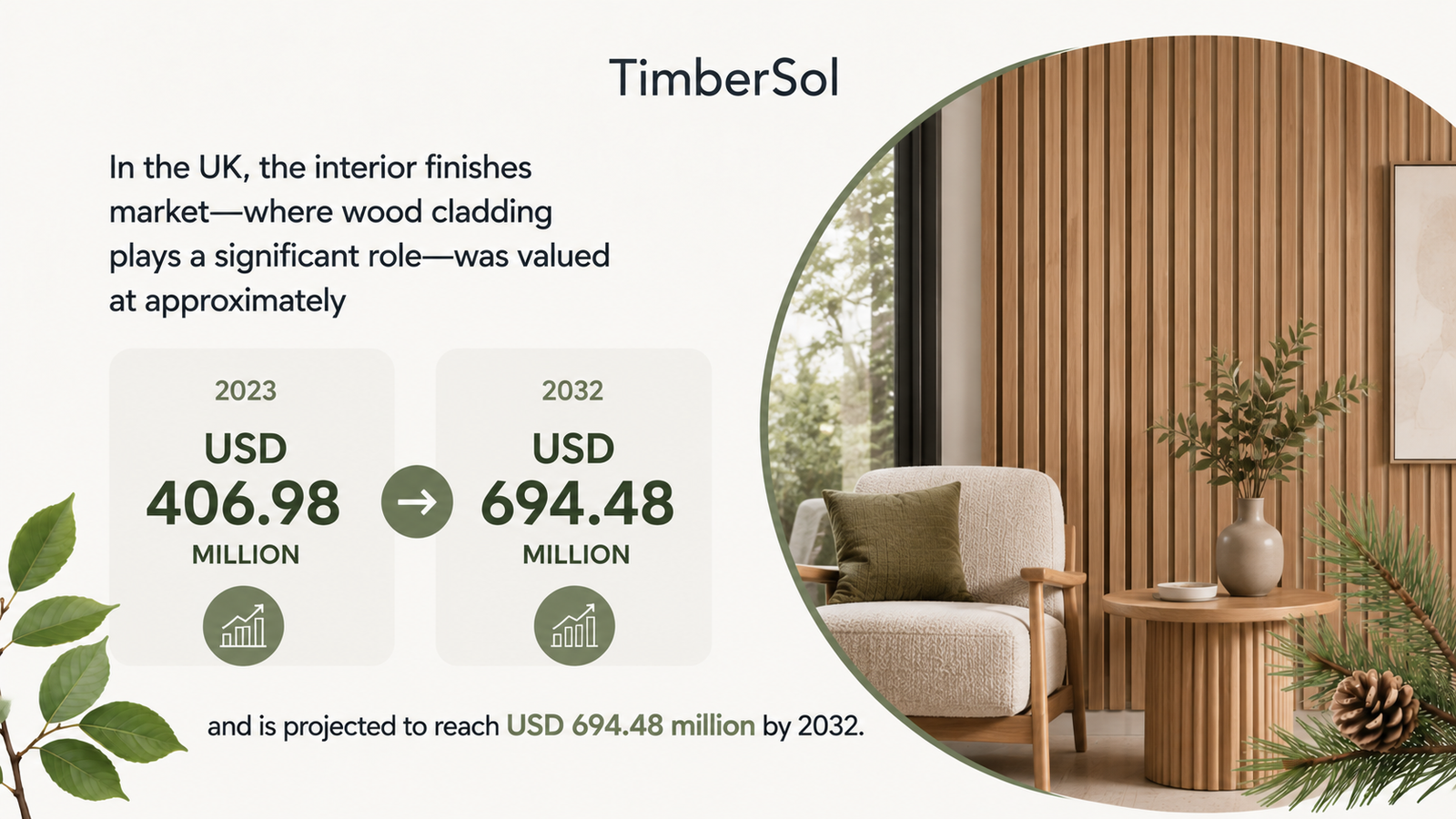
This is not a niche trend. The growing demand for sustainable materials is actively reshaping the market. In the UK, the interior finishes market—where wood cladding plays a significant role—was valued at approximately USD 406.98 million in 2023 and is projected to reach USD 694.48 million by 2032. This growth is driven by homeowners seeking materials that combine modern performance with environmental responsibility. For a closer look at these figures, you can discover more insights about the UK interior finish market on credenceresearch.com.
Understanding Sustainability Certifications
When selecting timber, sustainability certifications act as a trusted guide. They provide independent verification that the wood has been sourced from forests managed responsibly, with consideration for wildlife and local communities.
In the UK, two key certifications to look for are:
- FSC (Forest Stewardship Council) – widely recognised as the global gold standard. FSC certification ensures the timber has been tracked from forest to supplier, meeting strict environmental and social standards throughout the supply chain
- PEFC (Programme for the Endorsement of Forest Certification) – another major international certification system, PEFC works by endorsing national schemes that meet its rigorous sustainability requirements
Choosing certified timber is one of the most effective ways to support responsible forestry. It allows you to make informed purchasing decisions while contributing to the long-term sustainability of global forest resources.
The Value of British Timbers and Reclaimed Wood
Another effective way to improve your project’s sustainability is to source timber locally. Choosing British-grown species such as oak, ash, or larch helps reduce “wood miles” and the carbon emissions associated with long-distance transport. It also supports the UK’s rural economy and local craftsmanship. For a deeper understanding, you can dive deeper into the overall sustainability of timber in our detailed article.
For an even stronger sustainable approach, reclaimed wood stands out as a leading option. Sourced from old buildings, barns, or industrial structures, it represents one of the most environmentally responsible material choices. It prevents valuable timber from ending up in landfill while offering a level of character that newly processed wood cannot replicate. Features such as knots, nail marks, and weathered grain add individuality, giving interior spaces an authentic finish.
Your Questions Answered
Even with plenty of inspiration, it’s natural for practical questions to arise. Addressing these common queries helps clarify the details and ensures you feel confident moving forward with your project.
Can You Put Wood Cladding in a Bathroom or Kitchen?
Yes, wood cladding can be used in bathrooms and kitchens, but it requires careful planning. In high-moisture environments, selecting the right timber is essential—species with natural resistance to humidity, such as Cedar or Larch, are the most suitable options.
The key is preparation. Every board should be sealed on all sides with a high-quality waterproof finish before installation. Proper ventilation is also essential to prevent moisture from lingering in the space. While the result is visually striking, it’s important to keep in mind that wood cladding in these environments will require more maintenance than standard tiles to remain in excellent condition.
What’s the Cost of Interior Wood Cladding in the UK?
The cost of interior wood cladding in the UK depends on several factors, including the type of timber, the cladding profile, and whether you choose DIY installation or hire a professional.
As a general guide to material costs:
- Softwoods – options like Pine and spruce cladding are budget-friendly, typically starting from around £20 per square metre.
- Hardwoods – materials such as Oak are a higher investment, usually ranging from £60 to £150+ per square metre.
- Speciality finishes – premium options like Yakisugi (charred timber), including charred accoya cladding, sit at the higher end due to the craftsmanship involved in the charring process.
It’s also important to factor in additional costs. Your overall budget should include support battens, fixings, finishing oils or sealants, and labour if you plan to use a professional installer.
Is Interior Wood Cladding Hard to Look After?
Not at all. In most interior spaces, wood cladding is very easy to maintain. In areas such as living rooms, bedrooms, and hallways, a simple dust with a soft cloth is usually enough to keep it looking fresh.
Depending on the type of finish, you may want to reapply a protective oil every few years to maintain the wood’s appearance and protect its surface. This acts as a simple refresh that protects your investment.
In higher-traffic areas, occasional scuffs may occur, but overall, wood cladding remains a durable and low-maintenance option for interior walls.
Ready to bring the dramatic beauty of charred timber into your home? At TimberSol, we specialise in crafting premium Yakisugi cladding that combines timeless style with exceptional durability. Explore our range of charred cladding, decking and fencing, and find the perfect statement for your interior walls at https://timbersol-backup.elnoirstudio.com.
