
Yakisugi Wood Treatment: A Charred Timber Guide

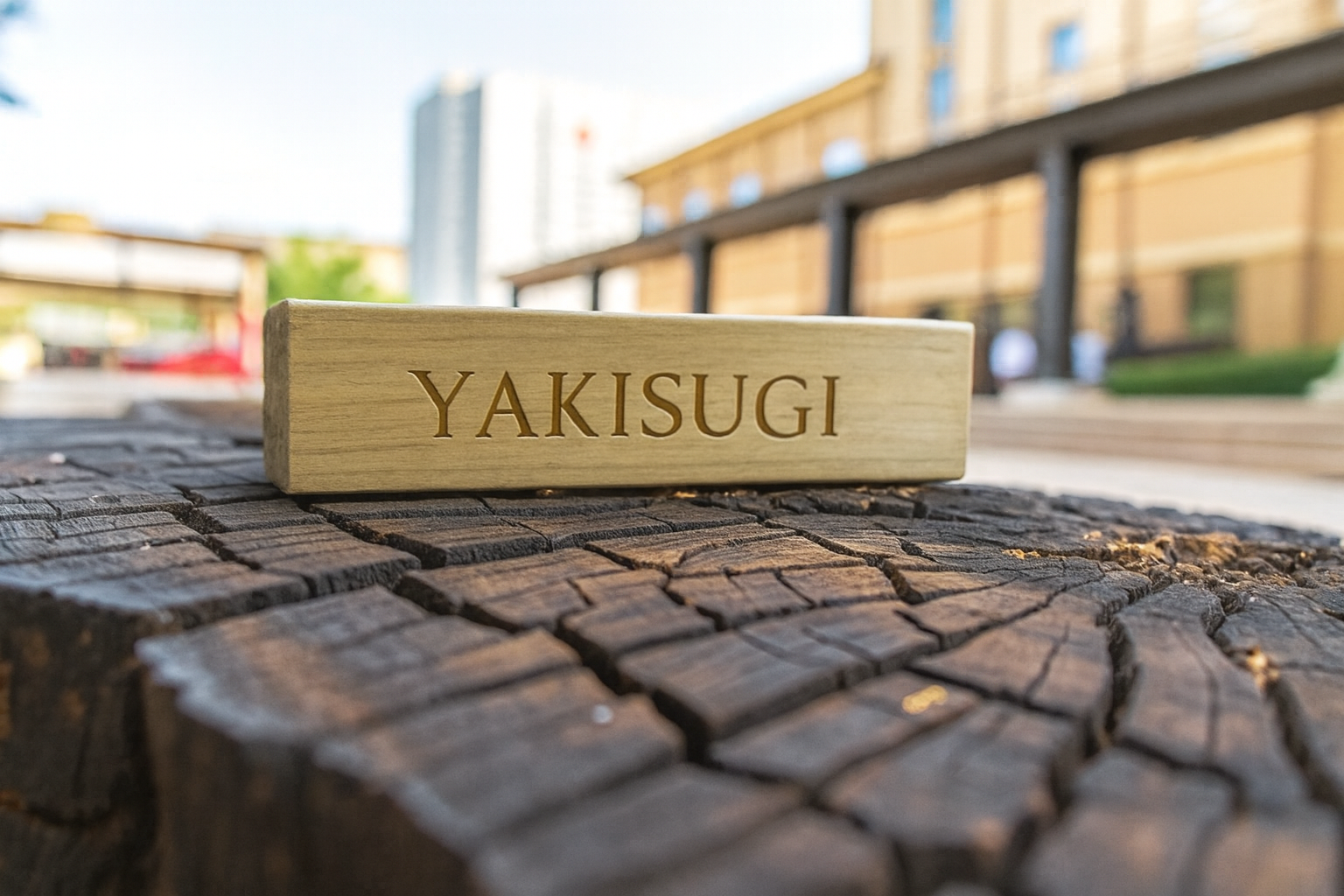
Yakisugi (Shou Sugi Ban) is a traditional Japanese wood preservation technique that protects timber by charring its surface with fire. This controlled burning process creates a deep black finish while forming a natural protective layer against moisture, pests, and fire. It offers a time-honoured, sustainable alternative to modern chemical wood treatments.
The article explains the science behind charring, outlines the three-stage process, identifies suitable timber species, and details recommended maintenance practices alongside realistic fire performance expectations. It also highlights the sustainability benefits and long-term durability of charred timber for modern cladding projects.
What Is Yakisugi? The Art of Charred Wood
Yakisugi (Shou Sugi Ban) is a traditional Japanese wood preservation technique that protects timber by carefully charring its surface with fire. Think of it as forging a suit of armour for wood using controlled heat. This process transforms ordinary timber into a resilient, long-lasting building material.
Rather than applying paint or chemical sealants, Yakisugi fundamentally alters the wood’s surface structure through intense heat. The controlled flame forms a durable carbon layer on the exterior, creating a natural protective shield. This char seals the timber from the elements and makes it far less inviting for insects and rot. It is a brilliant example of using natural processes to improve long-term performance.
From Ancient Tradition to Modern Design
Yakisugi is a traditional Japanese wood preservation technique dating back to the 18th century. Although it remained a niche craft in the UK until the 2010s, it has since experienced significant growth in popularity among UK architects and builders, valued for its natural aesthetic and eco-friendly credentials.
The process involves carefully charring the wood’s surface at temperatures of up to 1,100°C. This intense heat sterilises the timber and forms a water-resistant carbon layer. Today, the Yakisugi finish is widely specified for high-end residential properties and distinctive commercial cladding projects.
Yakisugi is more than a surface treatment; it is a celebration of natural processes. It aligns with the Japanese concept of wabi-sabi, which recognises beauty in imperfection. The crackled texture and deep black tones reveal the material’s story.
Why Choose This Method?
Yakisugi offers a rare combination of striking aesthetics, long-term durability, and sustainability. Unlike pressure-treated timber, which relies on chemical preservatives, this method is completely natural.
The key benefits include:
- Exceptional Durability: The protective carbon layer shields the underlying timber from moisture, rot, and UV exposure, extending service life for decades, based on archidiaries.com data.
- Natural Pest Resistance: Charring removes surface cellulose, reducing the wood’s appeal to termites and other wood-boring insects.
- Enhanced Fire Resistance: The dense char layer acts as an insulating barrier, slowing ignition compared to untreated timber.
- Sustainable and Eco-Friendly: Yakisugi requires no chemical preservatives, paints, or solvents, helping reduce the environmental footprint of your projects.
Choosing Yakisugi means specifying a time-tested technique adapted for modern architectural demands. For a deeper technical overview, our related guide explores the Shou Sugi Ban technique and its practical applications, providing further insight into the science behind this charred timber process.
How Fire Makes Wood Stronger?
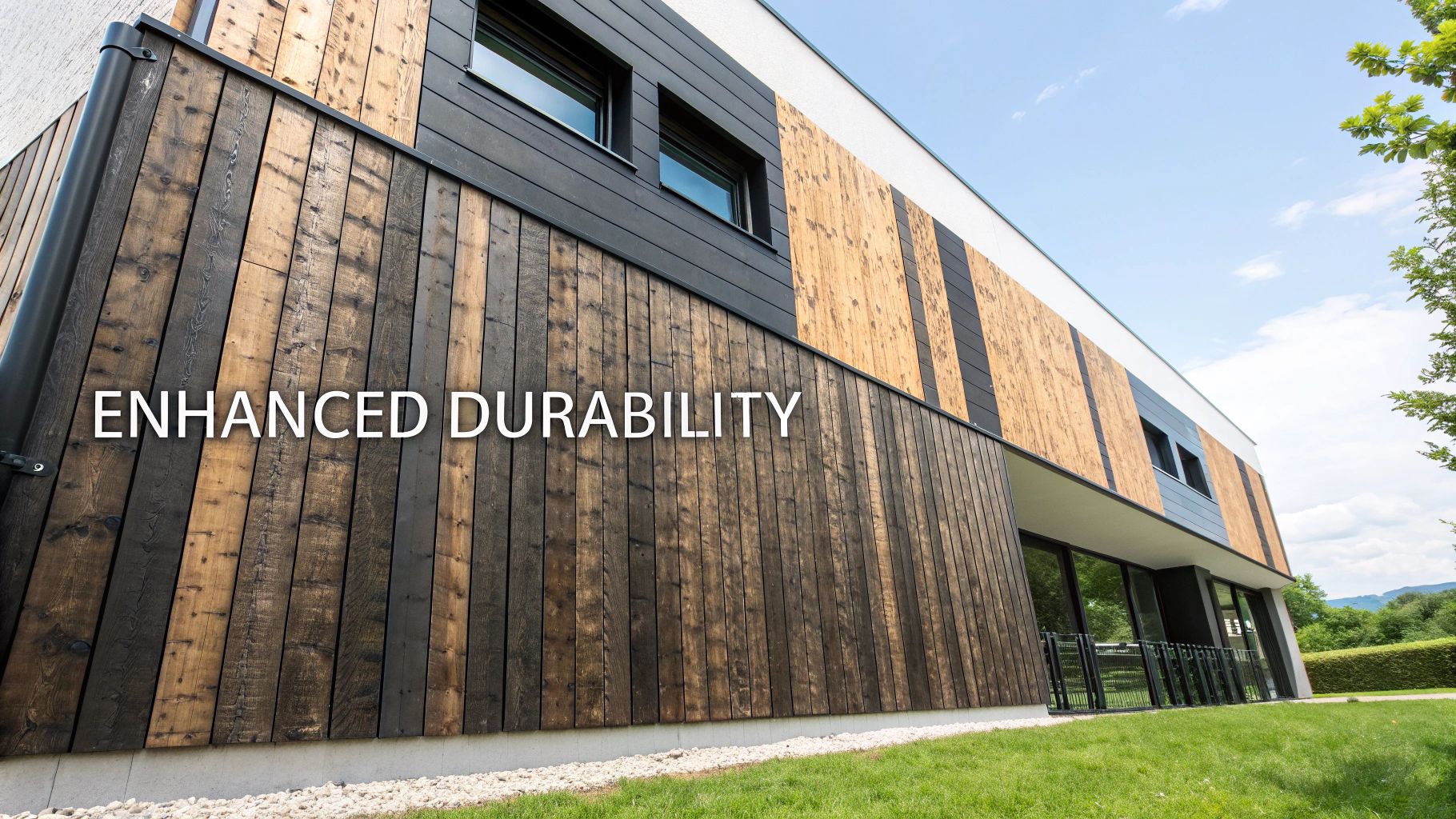
Yakisugi wood treatment uses controlled fire to increase timber durability, transforming heat from a destructive force into a protective tool.
Untreated wood behaves like a sponge. Its surface contains open pores and soft cellulose fibres, which readily absorb moisture and provide nutrients for insects and fungi. This combination accelerates rot and decay.
The Yakisugi process fundamentally alters the wood’s surface structure. Controlled charring burns away the most vulnerable outer fibres. In doing so, it forms a dense carbon layer that acts as a natural protective barrier.
The Science of the Char Layer
When flame contacts timber during the Yakisugi process, it initiates a controlled thermal reaction. The heat alters and crystallises the wood’s cellular structure and sealing microscopic openings. This transformation forms a hydrophobic (water-repellent) carbon layer that limits moisture penetration into the timber’s core.
The charred surface consists primarily of carbon. During carbonisation, much of the exposed cellulose – an organic component that attracts termites – is removed. With the primary food source reduced, pest activity decreases, creating a natural form of insect resistance without chemical additives.
“The charring process creates a distinct blackened exterior while preserving the natural texture and grain of the wood underneath. The process makes the wood more resistant to rot, insects, and weather, enhancing its lifespan without chemical treatments.”
This traditional Yakisugi method delivers protection without relying on synthetic preservatives, solvents, or pressure-treatment systems.
Forging Natural Resilience
Just as a blacksmith uses fire to strengthen steel, the Yakisugi technique uses controlled heat to enhance timber durability. Through surface charring, the process creates three functional defensive layers:
- A Waterproof Shield: The sealed carbon layer significantly reduces surface porosity, increasing resistance to rain, humidity, and moisture ingress that would otherwise lead to rot.
- An Insect-Proof Barrier: Charring removes exposed cellulose fibres that attract wood-boring insects. With the primary food source reduced, Yakisugi-treated timber becomes far less appealing to common pests.
- A Fire-Resistant Surface: Although counterintuitive, controlled charring improves fire performance based on en.wikipedia.org data. The dense carbon layer acts as an insulating barrier, slowing ignition and reducing the rate at which flames reach the untreated wood beneath.
In practical terms, the technique converts wood’s natural vulnerability to fire into a protective advantage.
Realistic Fire Performance: Setting Expectations
While Yakisugi-treated timber ignites more slowly than untreated wood, it is not fireproof. The char layer delays combustion by insulating the unburnt timber beneath, providing valuable additional time during fire exposure.
Performance varies depending on timber species, char depth, and installation method, which is why Yakisugi should be considered fire-retarding rather than fire-resistant.
A Comparison With Conventional Methods
To understand the effectiveness of Yakisugi wood treatment, it helps to compare it with conventional preservation methods. Modern systems typically rely on chemical impregnation, introducing preservatives into the timber and creating trade-offs.
Comparing Yakisugi with Conventional Wood Treatments
| Feature | Yakisugi (Charred Wood) | Pressure-Treated Wood | Stained or Sealed Wood |
|---|---|---|---|
| Durability | 80+ years with minimal upkeep. Naturally resistant to rot, pests, and UV damage. | 15-20 years, but susceptible to warping and cracking. Longevity depends on chemical retention. | 2-5 years before recoating is needed. The surface seal breaks down with weather exposure. |
| Maintenance | Low. May require a re-oiling every 10-15 years depending on climate and exposure. | Moderate. Requires regular cleaning and sealing to prevent splitting and fading. | High. Requires frequent stripping, sanding, and reapplication of stain or sealant. |
| Environmental Impact | Excellent. A completely natural, chemical-free process. Wood remains biodegradable. | Poor. Uses toxic chemicals like arsenic and chromium, which can leach into the soil. Disposal is problematic. | Fair to Poor. Often contains volatile organic compounds (VOCs) and petroleum-based solvents. |
| Aesthetics | Unique, deep “alligator skin” texture and silver-black patina. Highly sought after for its dramatic look. | Utilitarian. Often has a green or brown tint from chemicals and visible incision marks. | Versatile, but can look artificial. The film can peel or flake over time. |
Yakisugi takes a fundamentally different approach. It modifies the wood’s surface structure through controlled charring. This transformation enhances long-term durability without harming the environment, creating a finish that is as sustainable as it is visually striking.
The Real Benefits of Using Yakisugi Siding
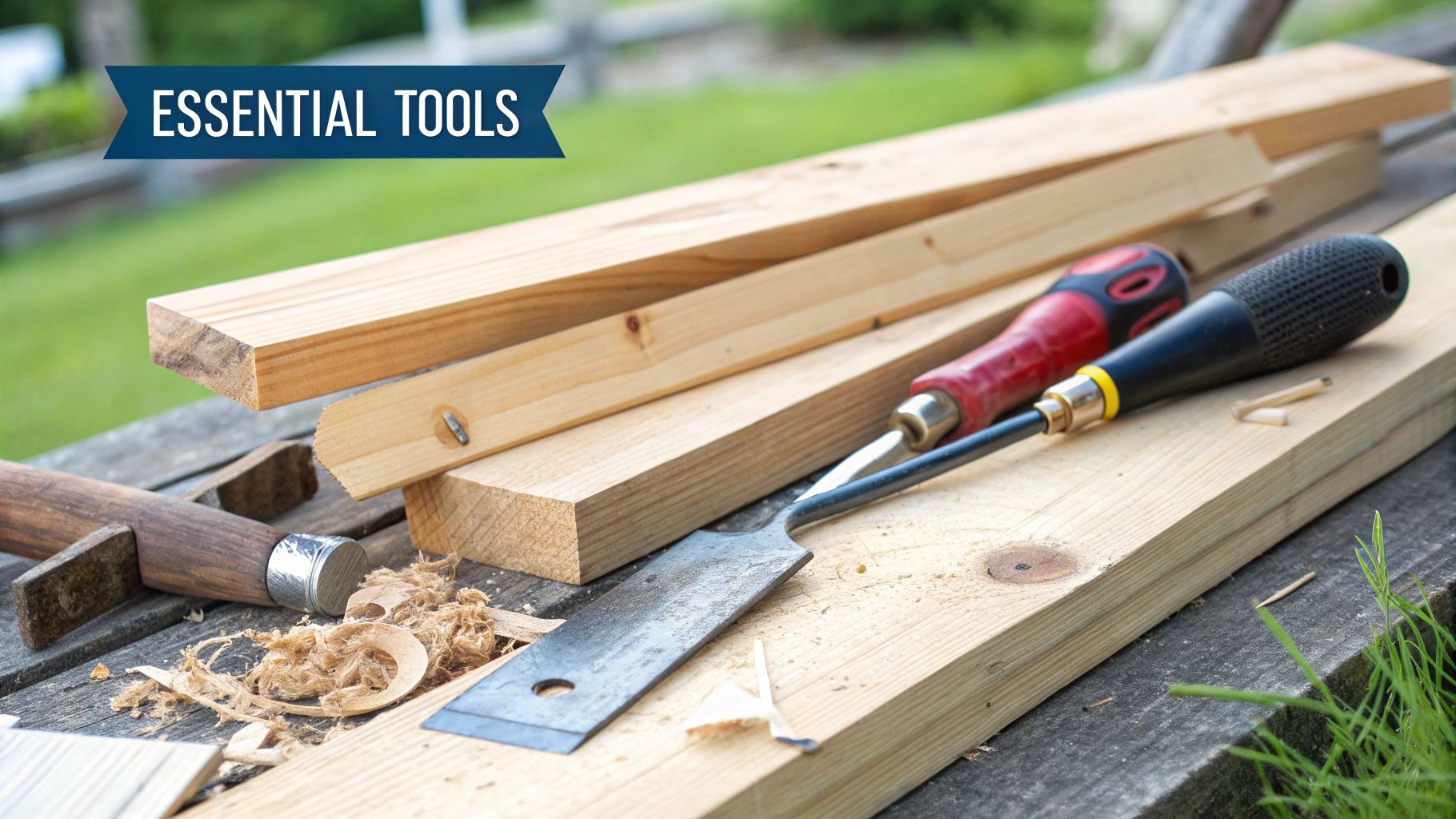
Project decision-making involves more than aesthetics. An ideal building material should offer durability, low maintenance, and sustainability. The ancient Yakisugi wood treatment meets these requirements, making it a strong choice for modern construction.
Yakisugi is often recognised first for its striking appearance, but its true value lies in its resilience. The charring process is not a surface stain; it fundamentally alters the wood, forming a durable protective layer that withstands environmental exposure for decades.
These same performance characteristics extend beyond façades. Because the carbon layer enhances durability and weather resistance, charred timber is equally effective in boundary applications. Charred black wood fencing provides long-lasting perimeter solutions while maintaining visual continuity with adjacent Yakisugi-clad façades. This creates a cohesive architectural language across both structural and landscape elements.
Unmatched Durability and Longevity
Yakisugi charred timber can last 80 years or more when properly specified and installed, requiring minimal ongoing maintenance. The carbonised outer layer functions as a natural protective shield, defending the core timber against sun exposure, wind, and rain.
Because the protection is created through controlled charring rather than applied coatings, Yakisugi reduces the need for frequent painting, staining, or sealing. The durability is built into the material itself, making it a practical and cost-effective long-term solution.
The Yakisugi method stands out for its simplicity. It uses fire to create a finish that competes with, and often exceeds, many chemical preservation systems. It is a clear reminder that the oldest solutions can still outperform modern alternatives.
The transformation goes beyond basic weatherproofing. The Yakisugi wood treatment creates a built-in defensive layer that protects timber against common forms of degradation.
It delivers resistance in three key areas:
- Pest Defence: The charring process removes exposed cellulose on the wood’s surface, reducing its appeal to termites and other wood-boring insects. This creates a natural, chemical-free deterrent.
- Moisture Control: Intense heat reduces surface porosity and forms a hydrophobic outer layer that repels water, based on en.wikipedia.org data. By limiting moisture penetration, the treatment helps prevent rot and fungal decay.
- Fire Retardancy: Charring increases fire resistance. The dense carbon layer acts as an insulating barrier, slowing flame spread and making ignition more difficult.
Our guide offers more detail on the benefits of charred wood siding.
Superior Environmental Credentials
Yakisugi stands out as a sustainable wood preservation method. Because protection is achieved through controlled charring, there is no reliance on toxic preservatives, solvents, or volatile organic compounds (VOCs). This reduces environmental impact and supports healthier indoor and outdoor environments.
Yakisugi also contributes to carbon sequestration. A single cubic metre of timber can store approximately one tonne of CO₂. UK producers have found that one square metre of Yakisugi cladding can bind around 15 kg of CO₂ equivalents, supporting wider green building in the UK.
A Unique and Captivating Aesthetic
The visual appeal of Yakisugi is distinctive. It creates a rich, dramatic finish that cannot be replicated with paints or stains. Surface textures range from deep, crackled “alligator skin” patterns to refined, brushed grain finishes.
Over time, Yakisugi wood weathers naturally, developing a silvery patina. This gradual evolution enhances architectural character and allows designers to create buildings that mature gracefully while retaining a timeless visual identity.
For projects that prioritise strong visual impact, black charred wood cladding creates a bold architectural statement while preserving the natural texture formed through controlled charring. In exterior schemes where vertical façades transition into terraces and outdoor platforms, materials such as black charred wood decking are specified to maintain visual continuity between wall and floor surfaces.
How the Yakisugi Process Actually Works
Yakisugi is a method of controlled transformation that turns ordinary timber into a durable architectural material. Although the final result appears complex, the process follows three defined core stages.
The technique resembles a craft process rather than standard construction. The wood is shaped and refined using flame, water, and oil, with each step contributing to both structural resilience and visual character.
Stage One: The Char
The objective of the first stage is to create a consistent carbon layer across the timber surface. A high-intensity torch is typically used, passed slowly and evenly along the length of the plank. The desired texture is often described as “alligator skin” – deep and crackled.
Achieving the correct char depth is critical. An ideal depth of approximately 2 – 3 mm provides optimal durability and weather resistance. This requires controlled torch movement at a constant speed, as uneven application can create hot spots or under-charred areas, based on homeworlddesign.com data. Rushing this stage leads to inconsistent finish quality and reduces the wood’s protective performance.
Stage Two: Cooling and Cleaning
After charring, the timber must be cooled quickly to stop further combustion. This stage is critical, as excessive burning can reduce structural integrity. A light spray of water is typically used to halt the process, stabilising the carbonised layer and fixing it in place.
Once the wood has cooled and dried, surface cleaning begins. Charring leaves a layer of loose soot and ash, which is removed using a stiff-bristled brush applied along the grain. This brushing clears soft residue and reveals the hardened, textured char beneath. The intensity of brushing influences the final appearance, because brushing more vigorously exposes more of the underlying grain, creating a contrasting aesthetic.
This stage marks the transition from raw char to a stable, patterned surface that is both visually distinctive and structurally durable.
Stage Three: The Finishing Seal
The final stage involves sealing the timber with a natural, penetrating oil. While this step can technically be omitted, sealing is strongly recommended. Oils such as tung oil or linseed oil enhance the depth of the blackened surface and provide additional water repellency.
The oil is applied generously using a rag or brush and allowed to absorb into the carbonised surface. This deepens colour tone, stabilises the finish, and helps bind any remaining loose char particles. Typically, one or two coats are sufficient to seal and protect the timber for long-term exterior exposure.
This three-stage Yakisugi process creates the durability and visual character. The process works with the natural properties of the wood, using controlled fire not to damage it, but to strengthen and preserve its surface.
Choosing the Right Timber for Charring
Timber selection is one of the most important decisions in a Yakisugi project. The choice of wood determines the final appearance, surface texture, and long-term performance of the charred finish. Not all timber species respond well to the heat of the Yakisugi treatment, and unsuitable options can result in uneven charring, excessive cracking, or a brittle, flaking surface.
The technique depends on the wood’s natural characteristics. Grain density, resin content, and dimensional stability influence how the timber reacts to flame. Successful results require a balance between sufficient softness for controlled charring and adequate structural strength for stability.
Yakisugi is most commonly produced using stable softwoods and modified timbers based on homeworlddesign.com data. Materials such as charred douglas fir cladding and charred thermowood cladding are frequently specified for façades and rainscreen systems. These options offer consistent charring behaviour, improved dimensional stability, and reliable long-term exterior performance.
Lightweight softwoods such as spruce cladding are also widely specified in contemporary façade design where clean grain definition and predictable charring behaviour are key performance and aesthetic priorities.
The Traditional Choice and Modern Alternatives
Japanese Cedar (Sugi) was historically the primary timber used for Yakisugi. Its porous structure and straight grain allow deep, consistent charring, producing the classic “alligator skin” texture. The process also enhances Sugi’s resistance to rot and insects.
In the UK, genuine Japanese Sugi can be difficult to source and often comes at a higher cost. Several alternative softwoods and modified timbers provide reliable and widely available options.
Excellent alternatives include:
- Siberian Larch: Dense and resin-rich, it chars into a tough, weather-resistant surface.
- Pine (including Thermopine): Certain pine species respond well to charring, producing a defined grain pattern that remains visible after brushing.
- Acetylated Wood (Accoya): An engineered timber known for exceptional dimensional stability and minimal movement in changing moisture conditions, supporting a uniform and long-lasting finish.
- Douglas Fir: Is frequently selected for its pronounced grain structure, which produces a deeper visual contrast after brushing and sealing.
These timbers offer a strong balance of workability and durability, allowing consistent Yakisugi results without importing Sugi.
The key is selecting softwoods with a relatively open grain structure. This allows heat to penetrate evenly during charring, forming a consistent carbon layer that makes Yakisugi so effective.
Woods to Steer Clear Of
Selecting unsuitable timber can compromise both appearance and performance. Dense hardwoods such as oak, maple, and beech are generally not recommended for Yakisugi. Their tight grain structure limits heat penetration. Instead of producing a protective char, these species are more likely to scorch, crack, or warp, resulting in an uneven and unstable surface.
Timber selection must also align with UK building requirements and performance expectations. Effective Yakisugi treatment typically requires a char depth of 2 – 3 mm to achieve optimal durability and fire-retarding performance. Reaching this depth consistently requires both appropriate timber and controlled technique.
Stable softwoods, such as Abodo Vulcan, are often specified because they support even charring and reduce the risk of surface flaking during weathering. USDA Forest Service provides information about the science behind wood charring to help you see how the material affects the outcome of Yakisugi.
How to Look After Your Charred Wood Siding
Yakisugi wood treatment lasts a long time with very little effort. Unlike painted or stained wood that requires regular upkeep, charred timber is designed to withstand the elements for decades. That said, some basic care helps maintain its appearance over time.
Yakisugi is a living finish. Over time, it develops a soft, silvery-grey patina shaped by exposure to sun and rain. This natural weathering is not a defect; it is part of the intended aesthetic, adding depth and character to the building as it ages.
The Role of Natural Oils
An unoiled Yakisugi surface can last for generations, but applying a natural oil enhances both appearance and durability. Oil enriches the depth of the blackened finish and adds an extra layer of water protection, based on homeworlddesign.com data. But don’t worry, reapplication is not required annually.
Yakisugi remains a low-maintenance material, with re-oiling typically recommended every 10 to 15 years, depending on sunlight and weather exposure. The process refreshes the surface tone and supports the integrity of the protective char layer. For further guidance, see our article on how to preserve wood naturally, which outlines suitable oil types and application methods.
Simple Cleaning for Lasting Beauty
Routine cleaning of Yakisugi charred timber is straightforward and helps maintain its appearance over time. A gentle wash is typically sufficient to remove surface dirt without affecting the protective char layer.
Here’s a simple cleaning approach:
- Quick Rinse: Use a garden hose on a gentle spray setting to remove loose dust and dirt.
- Gentle Scrub: For more persistent grime, use a soft-bristled brush with mild, pH-neutral soap and water. Always scrub in the direction of the wood grain.
- Final Rinse: Rinse thoroughly with clean water to remove soap residue. Avoid pressure washers, as high-pressure jets can damage the charred surface.
Remember, caring for Yakisugi is focused on preservation rather than repair. The goal is to support the wood’s natural ageing process while maintaining structural integrity and long-term performance.
This light-touch approach is sufficient to maintain the beauty and structural integrity of Yakisugi siding, allowing you to preserve its dramatic appearance with minimal maintenance.
Common Questions About Yakisugi

As Yakisugi, the ancient Japanese wood-charring technique, becomes more widely used in UK residential and commercial projects, practical questions naturally arise. After all, the idea of using fire to preserve timber can appear counterintuitive at first.
Below are clear, direct answers to common queries, explaining why Yakisugi is valued for both its distinctive appearance and long-term resilience.
Does Charring Wood Really Make It Fire-Resistant?
Yes, charring wood increases its resistance to fire. The process forms a dense carbon layer on the surface, which acts as a natural fire-retardant barrier.
This carbon layer insulates the unburnt timber beneath and slows flame spread. Yakisugi-treated timber ignites more slowly and burns at a reduced rate compared to untreated wood. However, it is important to note that wood is not completely fireproof.
The strength of Yakisugi lies in its ability to transform wood’s natural flammability into improved fire performance. The char layer forms a protective barrier that makes it more difficult for flames to penetrate the underlying timber.
Can I Use the Yakisugi Technique on Any Wood?
No, not every timber species is suitable for Yakisugi. Timber selection is critical to achieving a stable, durable char. Porous softwoods are preferred because they allow heat to penetrate evenly, forming a consistent carbon layer.
Sugi (Japanese Cedar) is the traditional species used in Japan, based on en.wikipedia.org data. In the UK, several alternatives are widely used and readily available:
- Siberian Larch, Pine and Accoya char beautifully and are excellent choices for Yakisugi in the UK.
- Dense hardwoods such as oak should be avoided, as their tight grain structure can lead to cracking or warping under intense heat, compromising the protective finish.
How Long Does a Yakisugi Finish Last?
One of the main advantages of Yakisugi is its long lifespan. Unoiled charred surfaces can last over 50 years, weathering naturally into a silvery-grey patina over time. It is widely regarded as a low-maintenance exterior finish.
Applying a natural oil helps preserve the deep black tone of Yakisugi and provides additional water resistance. Re-oiling is typically required every 10 to 15 years, depending on sun exposure and local weather conditions. Even with periodic oiling, maintenance demands remain significantly lower than repainting or restaining conventional timber finishes.
For bespoke charred timber solutions that combine timeless aesthetics and long-term durability, explore the premium range from TimberSol. Discover Yakisugi cladding, decking, and fencing options at https://timbersol-backup.elnoirstudio.com.
