
Charred Wood Blog
Understanding Yakisugi aka Shou Sugi Ban Siding Cost

When planning a cladding project, the average Yakisugi (also known as Shou Sugi Ban) siding cost in the UK typically ranges between £75 and £150 per square metre, including professional installation. While this may appear high initially, it reflects the specialised, multi-stage process required to produce this highly durable and visually distinctive charred timber.
This guide explores how Yakisugi compares with other cladding options in terms of cost, highlights its long-term value through durability and low maintenance, and outlines key budgeting considerations and cost factors.
Understanding the True Cost of Shou Sugi Ban Siding
Choosing Shou Sugi Ban is about more than simply selecting timber—it’s an investment in a time-honoured craft. This technique transforms wood into a highly durable and visually striking cladding material, and the overall cost reflects both the craftsmanship and performance it delivers. Typically, the total cost can be broken down into two main components: the price of the specially prepared materials and the cost of skilled installation.
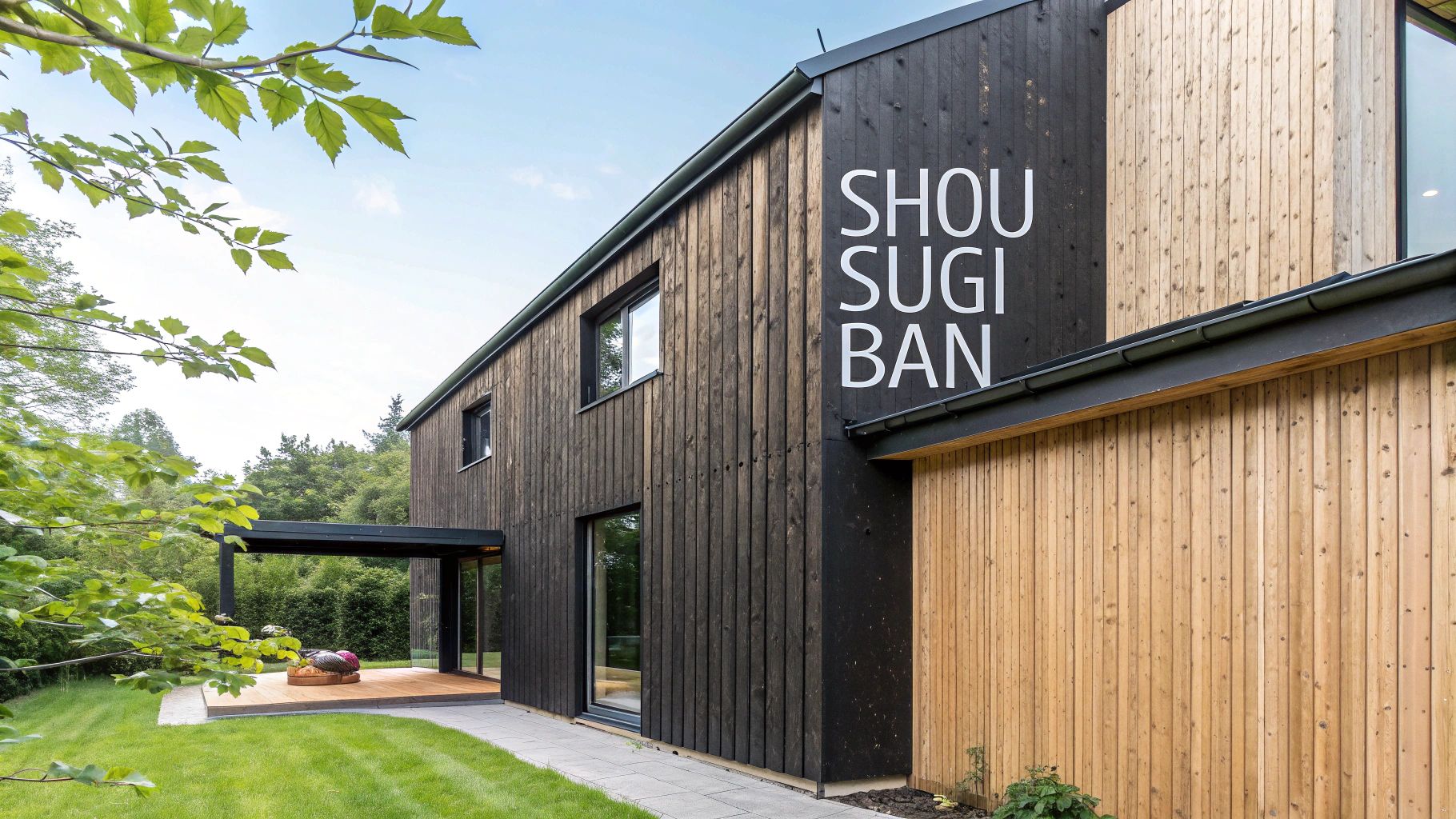
Shou Sugi Ban (Yakisugi) cladding involves a detailed, multi-step process, including charring, cooling, cleaning, and sealing the timber, commonly applied to materials such as charred douglas fir cladding. Each stage is essential to achieving the desired durability and finish, contributing to the higher upfront cost compared to standard cladding options. In the UK, prices generally range between £75 and £150 per square metre, depending on factors such as the timber species, the level of charring, and the complexity of the installation.
For a more in-depth understanding, you can explore a detailed guide to Japanese-style cladding and the key factors that influence its cost.
How Does Shou Sugi Ban Stack Up?
To truly understand its value, it helps to compare the cost of Shou Sugi Ban with other popular cladding materials on the market. While it does come at a premium, its exceptional longevity and low maintenance requirements often make it a surprisingly cost-effective choice over the lifetime of a property.
Unlike standard timber, which typically requires regular staining or painting, charred wood is naturally resistant to pests, rot, and even fire, making it a strong alternative to materials like spruce cladding in exterior applications.
To put this into perspective, the comparison below highlights how Shou Sugi Ban measures up against other commonly used cladding materials in the UK.
Quick Cost Comparison of Siding Materials (Per Square Metre Installed)
This table provides a clear snapshot of how the installed cost of Shou Sugi Ban compares with other popular exterior cladding materials, helping you understand its position within the market.
| Siding Material | Average Installed Cost Range (£/sq m) |
|---|---|
| Shou Sugi Ban (Charred Wood) | £75 – £150 |
| Standard Timber Cladding | £45 – £90 |
| Composite Cladding | £60 – £120 |
| Fibre Cement Boards | £50 – £100 |
| Brick Slips | £80 – £145 |
As shown, while Shou Sugi Ban sits at the premium end of the price range, it remains competitive with other high-end options such as brick slips and premium composite cladding. The key distinction lies in its unique aesthetic and exceptional natural durability—qualities that truly set it apart from alternative materials.
What Really Drives the Cost of Shou Sugi Ban?
When exploring Shou Sugi Ban siding, it quickly becomes clear that a simple price per square metre doesn’t capture the full picture. The final cost of a project is influenced by several key factors, much like purchasing a car—where the base price can vary significantly depending on specifications, features, and customisations.
Understanding what drives the overall budget allows you to make more informed decisions and strike the right balance between your desired aesthetic and your available budget. From the choice of timber to the complexity of your property’s design, each element plays an important role in shaping the final cost, whether selecting premium materials like oak cladding or more cost-effective options.
Your Choice of Timber Species
The foundation of your budget starts with the timber itself. While many wood types can technically be charred, only a select few offer the durability, stability, and visual character required for high-quality exterior cladding, including popular choices like douglas fir wood cladding.
Here’s a quick overview of the most common options and how they compare in terms of cost:
- Larch: A widely used and reliable choice in the UK. It offers good durability, an attractive grain, and is one of the more cost-effective options, making it a popular all-rounder.
- Cedar: The traditional Japanese choice (particularly Sugi), Cedar is highly suited to charring. It is lightweight and exceptionally stable, meaning it resists warping and movement. This added performance comes at a moderately higher price.
- Accoya: A premium, modified timber known for its outstanding durability and resistance to rot. Accoya delivers top-tier performance, and its higher cost reflects its exceptional lifespan and stability.
In practical terms, choosing a common timber like Larch helps keep material costs lower, while opting for a high-performance option such as Accoya involves a greater upfront investment.
The Impact of Char Level and Finish
The final appearance you’re aiming for is another key factor influencing cost. The charring process is a skilled craft rather than a standardised production method, and different finishes require varying levels of time, heat, and expertise.
For example, achieving a deep, textured “alligator skin” finish involves a more intense and carefully controlled burn compared to a lighter char that is brushed back to reveal the natural grain. This additional level of craftsmanship and precision increases the overall material cost.
The finishing stage also plays an important role. Applying a specialist oil or sealant is essential to protect the charred surface and enhance its colour. The type and quality of finish selected will further influence the total Shou Sugi Ban siding cost.
Architectural Complexity and Labour
The design of your building has a significant impact on the overall cost. A simple structure with large, flat surfaces is far quicker and more cost-effective to clad than a property with multiple architectural details.
Consider how these details add up:
- Corners: Each internal and external corner requires precise cutting and fitting.
- Windows and doors: Cladding around openings is more intricate and time-consuming than covering uninterrupted wall areas.
- Gables and dormers: Complex rooflines and angles significantly increase the level of labour required.
These features not only extend installation time but also lead to more material waste due to offcuts. Since you are paying for skilled labour, more intricate designs will naturally result in higher installation costs, increasing the overall price of the project.
Breaking Down Material vs Labour Costs
When reviewing a quote for a Shou Sugi Ban project, the total cost can be understood as two key components: the price of the timber and the cost of professional installation. While it’s natural to focus on material costs, skilled labour plays an equally important role in achieving a high-quality, long-lasting result.
The material cost reflects the level of craftsmanship involved in producing each board. Shou Sugi Ban is not standard, off-the-shelf timber—every plank undergoes a precise process of charring, cleaning, and sealing. This transformation into a durable, high-performance cladding material is what justifies its premium pricing compared to conventional options.
However, material is only part of the investment. The installation process requires specialist skills and experience, making labour a significant and essential portion of the overall project cost.
The Value of Specialist Labour
Shou Sugi Ban cannot be installed in the same way as standard cladding. It requires a specialised skillset and careful handling. The charred surface—responsible for both its distinctive appearance and weather resistance—is also relatively delicate. Poor cutting or incorrect fixing can damage the char layer, compromising both the finish and the board’s protective qualities.
A skilled installer brings essential expertise to the process. Rather than simply fixing boards in place, they work with the material to preserve its integrity. This includes precise cutting, careful handling, and secure fixing methods that avoid damaging the charred surface.
This is exactly why hiring a professional is so important. Their expertise covers several key areas:
- Careful handling: They know how to move, lift, and position the boards without scuffing or chipping the delicate charred surface.
- Precision cutting: Using the correct blades and techniques is essential to prevent the charred layer from flaking at the edges.
- Correct fastening: A specialist ensures a secure installation that allows for natural wood movement while maintaining the integrity of the weather-resistant barrier.
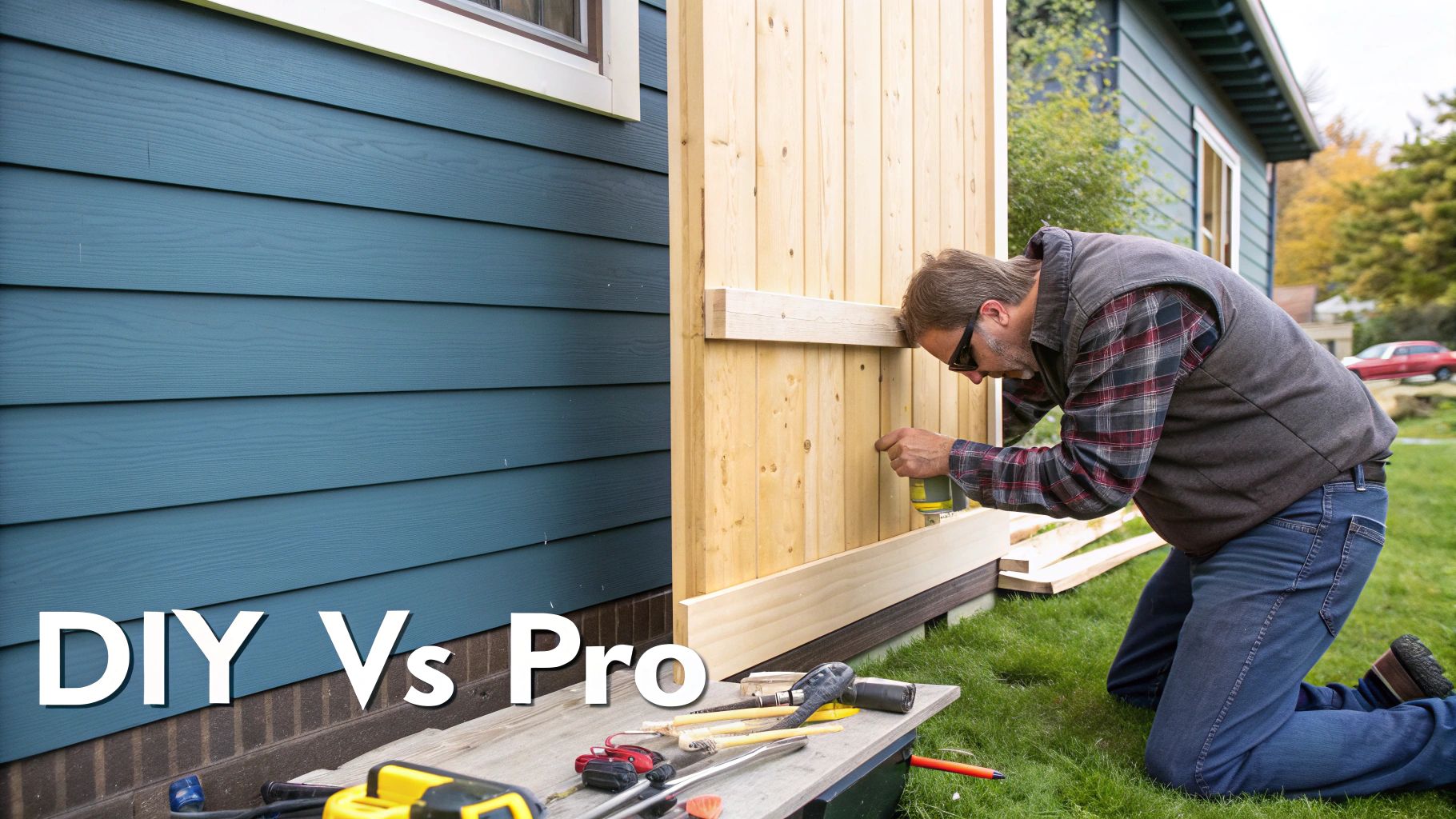
Attempting a DIY installation or hiring a general builder without specific experience can lead to costly mistakes, wasted materials, and a finish that falls short of expectations. When reviewing your quote, remember you’re not just paying for timber—you’re investing in skilled craftsmanship.
To see how this all comes together, our complete guide to Shou Sugi Ban cladding offers a more in-depth look. This combined investment in materials and expertise is what ensures your cladding performs beautifully for decades.
How Shou Sugi Ban Compares to Other Cladding Materials
When compared with options like standard timber, composite boards, or brick slips, a clear picture begins to emerge. While some alternatives may appear more affordable initially, their long-term maintenance and repair costs can add up significantly. Shou Sugi Ban, by contrast, is inherently durable, resulting in a long lifespan with minimal upkeep required.
Choosing the right exterior cladding for your home is a significant decision, and the initial Shou Sugi Ban cost is only one part of the equation, especially when comparing it with other outdoor applications such as decking or fencing. To fully understand its value, it’s important to look beyond the upfront price and consider factors such as maintenance, durability, and overall lifespan.
A Look at the Long-Term Investment
The true value of charred wood cladding becomes clear over time, not just at the point of installation. Its fire-treated surface creates a natural defence against many of the issues that affect other cladding materials.
This built-in resilience delivers long-term savings and reduced maintenance:
- Pest resistance: The carbonised outer layer acts as a natural deterrent, making the wood unappealing to insects such as termites and wood-boring beetles.
- Rot and fungal resistance: The charring process helps seal the timber, significantly reducing moisture absorption and protecting against fungal decay.
- Low maintenance: Unlike untreated timber, which often requires regular painting or staining, Shou Sugi Ban can be left to weather naturally with minimal upkeep.
The image below illustrates how the total cost of Shou Sugi Ban cladding is typically distributed.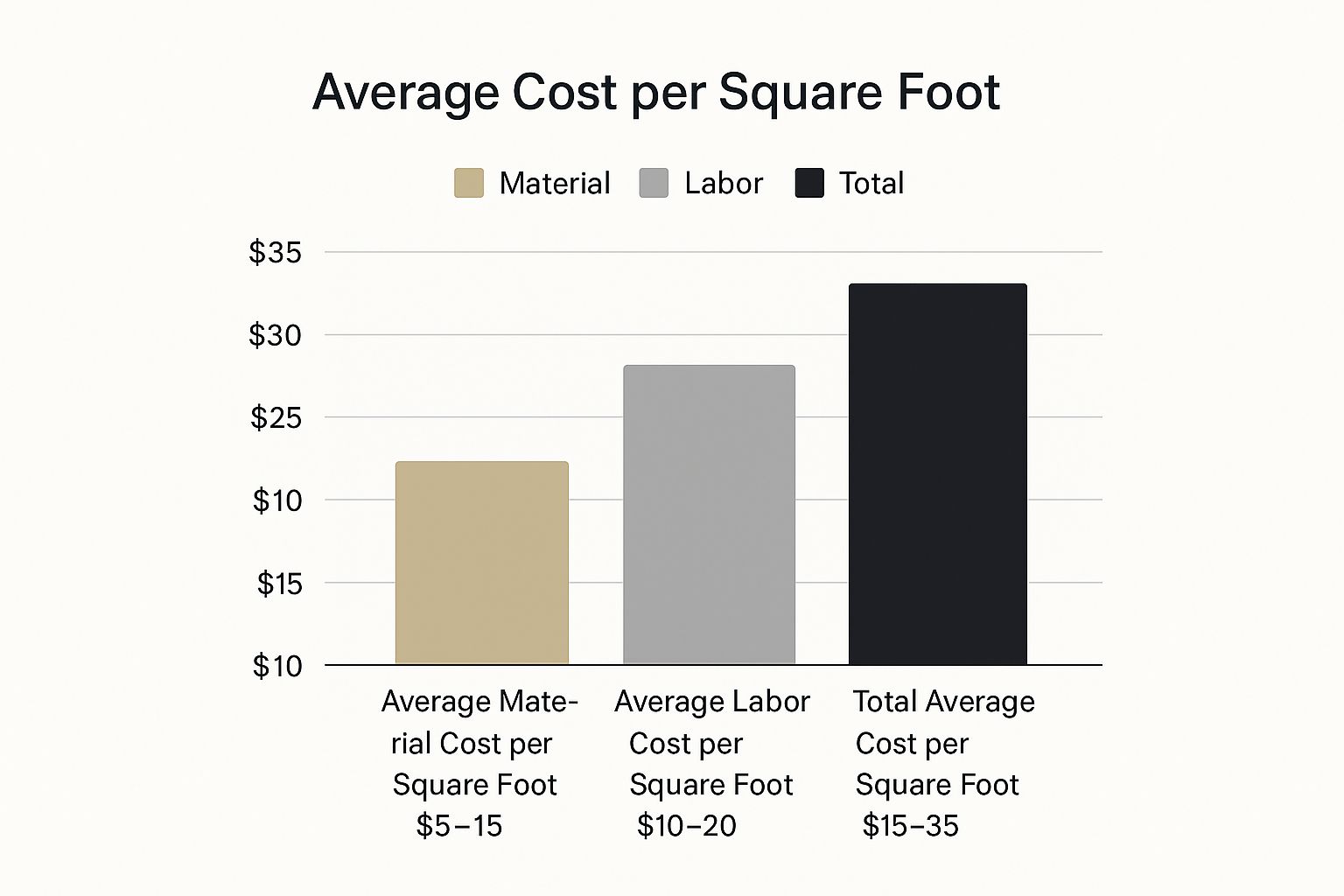
As shown, skilled labour represents a significant portion of the overall investment—often matching or even exceeding the cost of the materials themselves.
Comprehensive Cladding Comparison
When comparing cladding options, it’s important to consider the full picture rather than focusing solely on upfront cost. A side-by-side analysis places Shou Sugi Ban in the mid-to-high-end range, typically costing between £75 and £150 per square metre installed. For comparison, standard timber cladding generally ranges from £45 to £90 per square metre, while premium materials such as stone can reach around £329 per square metre.
To help you evaluate your options more effectively, the comparison below outlines how Shou Sugi Ban performs against other popular cladding materials across several key factors.
| Cladding Type | Avg. Installed Cost (£/sq m) | Typical Lifespan | Maintenance Needs |
|---|---|---|---|
| Shou Sugi Ban | £75 – £150 | 80+ years | Minimal; optional re-oiling every 10-15 years |
| Standard Timber | £45 – £90 | 15-30 years | High; requires re-staining or painting every 3-5 years |
| Composite Boards | £60 – £120 | 25-30 years | Low; regular cleaning needed, prone to scratching |
| Brick Slips | £80 – £145 | 50+ years | Low; potential for repointing mortar joints over time |
In short, Shou Sugi Ban typically involves a higher upfront investment but delivers a lower total cost of ownership over time. Savings on maintenance, repairs, and replacements make it a highly cost-effective long-term solution.
Ultimately, the slightly higher initial Shou Sugi Ban cost secures decades of durability and distinctive visual appeal with minimal upkeep. For those interested in the craftsmanship behind it, you can explore our detailed guide to the Shou Sugi Ban technique. It remains a compelling choice for homeowners who value both unique design and long-lasting performance.
Building a Realistic Project Budget
Incorporating the striking appeal of Shou Sugi Ban into your home’s exterior is an exciting project, but success starts with careful planning. A realistic budget isn’t based on guesswork—it requires a structured approach to ensure the final Shou Sugi Ban siding cost stays predictable and manageable.
The first step is to accurately determine the total cladding area. Measure the full surface area of the exterior walls you intend to cover, then subtract any openings such as windows and doors. This gives you the net cladding area, which forms the foundation of your budget.
Having precise measurements from the outset allows you to obtain accurate material quotes and compare installation costs more effectively. It also helps prevent over-ordering materials or receiving inflated estimates, ensuring better cost control throughout the project.
Planning for the Unexpected
Even the most carefully planned renovation projects can encounter unexpected challenges. That’s why setting aside a contingency fund is essential. It acts as a financial safety net for unforeseen issues, such as hidden structural damage or the need for additional materials to accommodate complex cuts and adjustments.
In the construction industry, it’s standard practice to allocate an extra 10–15% of the total project budget for these situations. This contingency isn’t just a precaution—it provides reassurance that minor setbacks won’t disrupt your plans or compromise the quality of the final result.
Having this buffer in place allows you to address unexpected issues confidently, keeping your project on track and ensuring a smooth, high-quality finish.
Smart Ways to Manage Your Siding Costs
A high-end finish doesn’t have to stretch your budget. If your initial quotes feel a bit too high, there are several smart ways to reduce costs without sacrificing the durability and visual appeal of charred wood.
Here are a few practical strategies to consider:
- Select a More Economical Timber: Significant savings can be achieved by choosing a durable and attractive wood like Larch instead of a premium option such as Accoya.
- Choose a Simpler Finish: A deep, dramatic ‘alligator’ char requires more time and craftsmanship than a lightly brushed finish. Opting for a simpler style can noticeably reduce the price per square metre.
- Phase the Project: If the total investment is too high upfront, consider completing your cladding in stages. Start with the front of the house to maximise kerb appeal, and finish the remaining sides later.
By accurately measuring your project, setting aside a contingency budget, and making informed decisions about materials and finishes, you can effectively control your shou sugi ban siding cost. To better understand the long-term value, explore the benefits of charred wood siding in our detailed guide.
Common Questions About Shou Sugi Ban Costs
As you move closer to making a decision, it’s natural for a few final questions to arise. Charred wood cladding comes with its own nuances—especially when it comes to planning your budget. To make things clearer, we’ve compiled the most frequently asked questions about shou sugi ban siding cost, along with straightforward answers to help you make a confident, informed investment.
Consider this your go-to resource for the final details. Below, we cover key cost comparisons and practical considerations that typically come up when planning a shou sugi ban project.
Is Shou Sugi Ban More Expensive Than Other Wood Siding?
Yes—generally, the upfront cost of Shou Sugi Ban is higher than standard, untreated timber siding. This price difference is driven by the detailed, multi-step craftsmanship required to produce charred wood cladding. Each board undergoes an intensive process of charring, cleaning, and sealing—far beyond the simplicity of milling a conventional wood plank.
However, the initial investment only tells part of the story. The charring process significantly enhances the wood’s durability, providing natural resistance to rot, pests, and even fire.
This built-in durability significantly reduces long-term maintenance costs. While the upfront investment in Shou Sugi Ban siding may be higher, it helps you avoid the ongoing expenses associated with painting, staining, or treating traditional wood siding every few years.
When evaluated over the full lifespan of a building, the higher initial cost often translates into a lower total cost of ownership. This makes charred wood siding a smart, long-term financial investment.
How Can I Get an Accurate Cost Estimate for My Home?
The most reliable way to get an accurate shou sugi ban siding cost estimate is to contact at least three specialist installers with proven experience in charred timber. Quotes from general builders can often be misleading, as they may not fully account for the specific techniques and handling required for charred wood cladding.
Before reaching out, it’s important to prepare the right information. This ensures your quotes are not only precise but also easy to compare.
To get the most accurate estimate, you should:
- Measure Your Cladding Area: Calculate the total square metre area of the walls you plan to cover, subtracting windows and doors for accuracy.
- Detail Your Project: Be ready to describe your home’s architecture, including the number of internal and external corners, as well as complex features like dormers or gables, which can impact labour costs.
- Specify Your Preferences: Indicate your preferred timber (such as Larch or Cedar) and desired finish, as both material and finish significantly influence the final price.
Providing these key details allows contractors to deliver a clear, detailed written quote that accurately reflects the full scope of your shou sugi ban project.
Does the Type of Char Affect the Final Price?
Absolutely. The depth and style of the char play a major role in determining the overall shou sugi ban siding cost. The charring process is a specialised craft, and each finish requires a different level of skill, time, and labour—factors that directly impact the final price.
For example, a deep, heavily textured ‘alligator’ char demands more intensive work and precise temperature control during the burning process. As a result, it is typically one of the more expensive finishes due to the high level of craftsmanship involved.
In contrast, a lighter char that is brushed back to reveal more of the natural wood grain usually falls into a lower price range. Additionally, the type of oil or sealant used to finish the boards can further influence the total material cost.
To ensure accurate quotes, always clearly define your desired aesthetic when consulting installers. This helps align pricing with your expectations and ensures you get the exact charred wood cladding result you’re looking for.
At TimberSol, we specialise in crafting premium charred timber cladding that combines timeless aesthetics with outstanding durability. Explore our range of Shou Sugi Ban finishes to find the ideal solution for your project.
Discover our Shou Sugi Ban products at https://timbersol-backup.elnoirstudio.com.
