
A Guide to Timber Cladding Interior Design

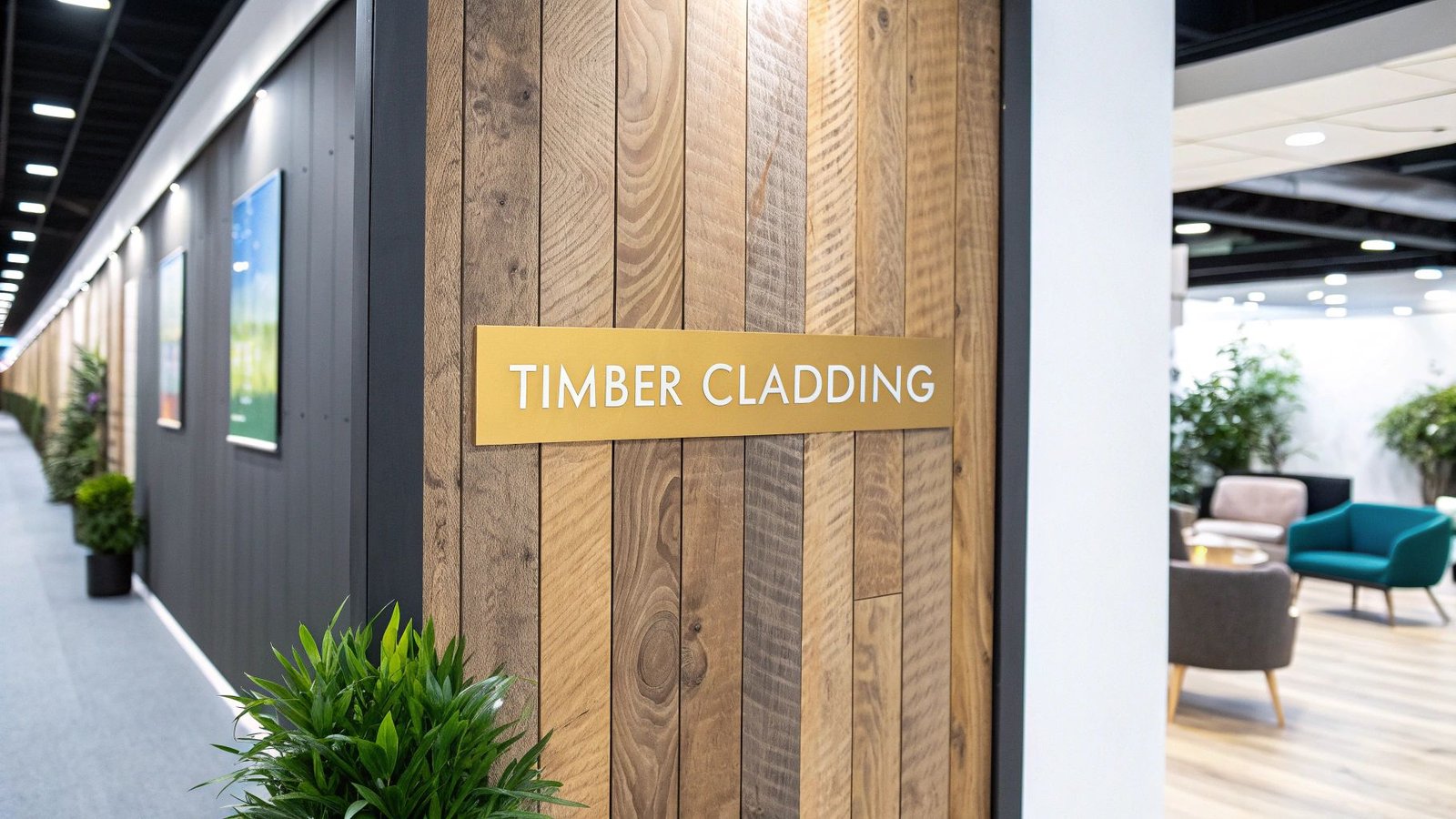
Ever walked into a room and felt instantly at ease? Chances are, natural materials had something to do with it. That’s the magic of interior timber cladding – the art of lining walls with wood to completely transform a space. It’s how you take a plain, uninspired wall and turn it into a feature that’s warm, textured, and full of life.
Bringing the Outdoors In
Wood cladding isn’t just a surface treatment; it’s a way to fundamentally alter a room’s atmosphere. Instead of just covering drywall, think of it as weaving a piece of the natural world right into the fabric of your home. The result is an immediate sense of comfort and calm that man-made materials can’t quite match.
There’s a reason we’re so drawn to materials like wood. It’s a concept called biophilic design, which boils down to our innate need to connect with nature. When we bring natural elements indoors, it genuinely affects our well-being. In fact, studies have shown that being in spaces with natural materials can help lower stress and blood pressure, creating a healthier environment.
A Sanctuary from the Modern World
Our homes are our retreats. Using timber on interior walls deepens that sense of sanctuary, creating a peaceful buffer from the noise of daily life. The unique grain, the subtle tones, the organic texture—it all comes together to form a gentle, restorative backdrop.
This guide will walk you through everything you need to know to bring this natural elegance into your own home. We’ll start with the basics and move all the way to practical tips, covering:
- The benefits beyond just looking good.
- How to choose the perfect type of wood for your project.
- Design ideas to get you inspired.
- Practical advice on installation and maintenance.
By the end, you’ll see timber cladding not just as a building material, but as a deliberate design choice that makes for a more beautiful, healthy, and sustainable home.
Ultimately, opting for wood is about creating a space that feels grounded and authentic. It’s a timeless look that connects your home to the enduring beauty of the outdoors, offering a perfect blend of style, function, and tranquillity. Whether you’re dreaming of a rustic accent wall or a sleek, modern finish, timber has the versatility to bring your vision to life.
2. What Are the Real-World Benefits of Interior Timber Walls?
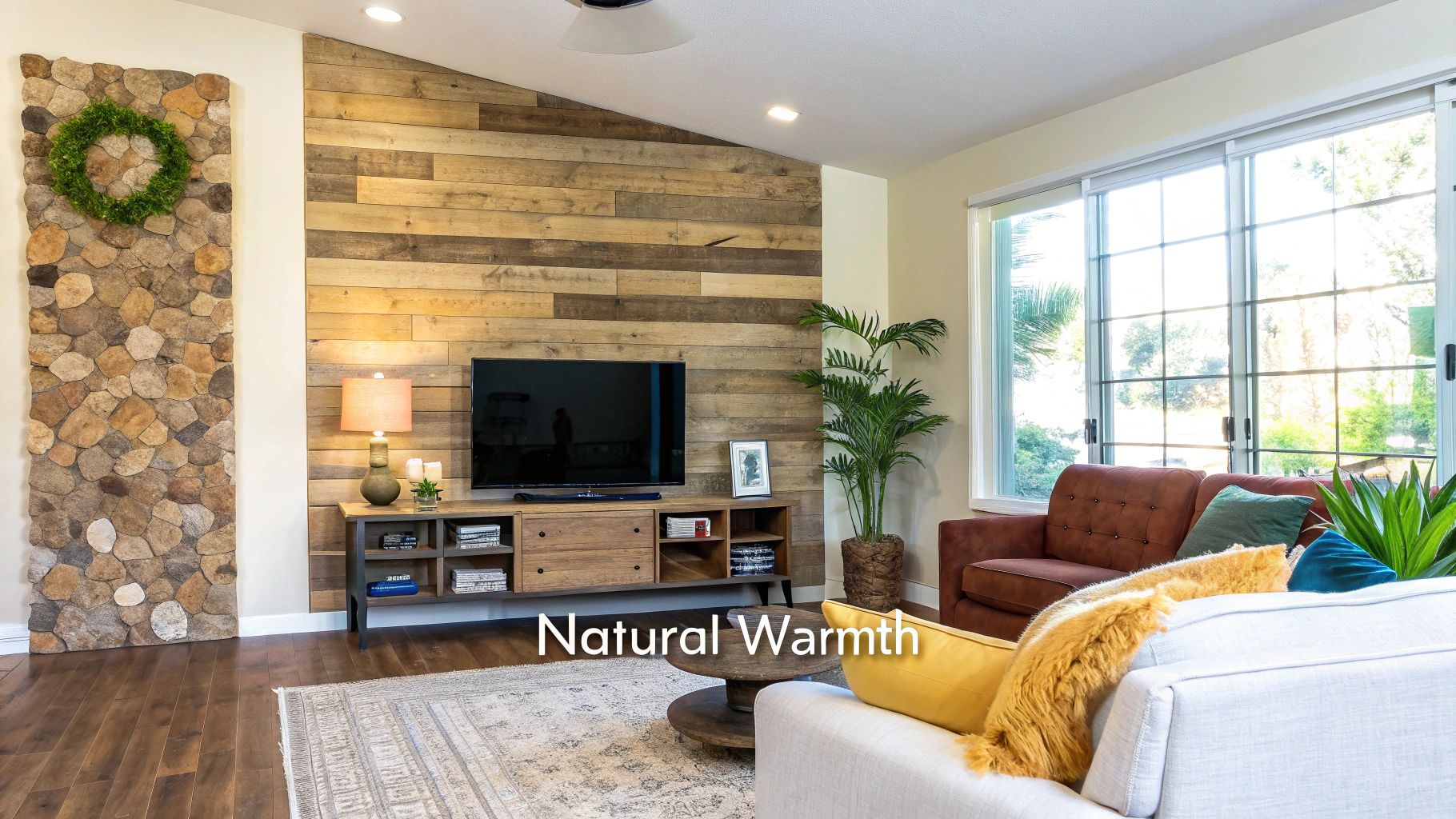
Of course, the first thing anyone notices about a timber-clad interior is its stunning visual appeal. But beyond the beauty, wood brings a host of practical advantages to the table that make it a seriously smart choice for your home. These aren’t just minor perks; they’re tangible benefits that work behind the scenes to make your living space more comfortable, efficient, and peaceful.
There’s a reason the UK timber cladding market is growing steadily, with projections showing a compound annual growth rate (CAGR) of around 4.15% through to 2033. Homeowners are catching on to the fact that timber is more than just a pretty face. You can find more details on this trend in the UK timber market report from Spherical Insights.
So, what are these benefits that are winning everyone over?
It’s a Natural Insulator
One of wood’s most impressive qualities is its innate ability to insulate. Its cellular structure is packed with tiny air pockets, which act as a natural barrier against heat transfer.
In winter, this means your timber walls help trap warmth inside, keeping your home cosier and reducing the workload on your heating system. Come summer, they do the reverse, helping to block out the oppressive heat. This clever, natural temperature regulation can lead to a more comfortable home and, over time, some welcome savings on your energy bills.
It Manages Sound Beautifully
Ever been in a room with hard floors and bare walls where every little sound echoes? Wood is the perfect antidote to that. Unlike hard surfaces like plasterboard or concrete that bounce sound waves all over the place, wood naturally absorbs them.
This inherent acoustic quality is a game-changer for creating a calmer atmosphere.
- Quieter living areas: It softens the noise in a busy family room, making it feel more relaxed.
- Better focus: In a home office, it minimises distracting background chatter and echo.
- Superior media rooms: It stops sound from bouncing around, giving you a much clearer and richer audio experience for films and music.
Simply put, cladding a wall in timber can transform a room’s acoustics, making it feel more serene and balanced.
Wood doesn’t just look warm; it creates a physically and audibly warmer atmosphere. Its natural structure works to moderate both temperature and sound, adding a layer of unseen comfort to your home.
It’s Built to Last and Breathes Life into a Room
When it’s sourced responsibly and finished correctly, timber is remarkably durable. It’s a material that can easily handle the knocks and bumps of daily life for decades, often developing a beautiful, rich patina that only adds to its character over time. This impressive longevity makes it a far more sustainable option than flimsy materials that need frequent replacement.
On top of that, wood can genuinely improve the air you breathe. Natural timber is a clean, non-toxic material, unlike synthetic products that can off-gas chemicals (VOCs) into your home. Wood is also hygroscopic, which is a fancy way of saying it can absorb and release moisture, helping to naturally regulate the humidity in a room. This creates a healthier, more breathable environment for everyone.
To give you a quick overview, here’s a breakdown of the key advantages we’ve just covered.
Key Benefits of Interior Timber Cladding
| Benefit | Description |
|---|---|
| Aesthetic Warmth | Instantly adds character, texture, and a sense of natural comfort to any room, making it feel more inviting. |
| Thermal Insulation | The natural cellular structure of wood helps regulate indoor temperatures, keeping rooms warmer in winter and cooler in summer. |
| Acoustic Dampening | Absorbs sound waves, reducing echo and reverberation to create a quieter, more peaceful and acoustically balanced space. |
| Durability & Longevity | A strong, hard-wearing material that can last for decades with minimal maintenance, often improving in appearance with age. |
| Improved Air Quality | As a natural material, it’s free from harmful VOCs and helps regulate humidity, contributing to a healthier indoor environment. |
| Versatility | Available in a vast range of species, finishes, and profiles to suit any design style, from rustic to ultra-modern. |
Ultimately, choosing timber cladding is an investment in both the style and the functional performance of your home. It’s a material that works hard while looking effortlessly beautiful.
Choosing the Right Wood for Your Cladding
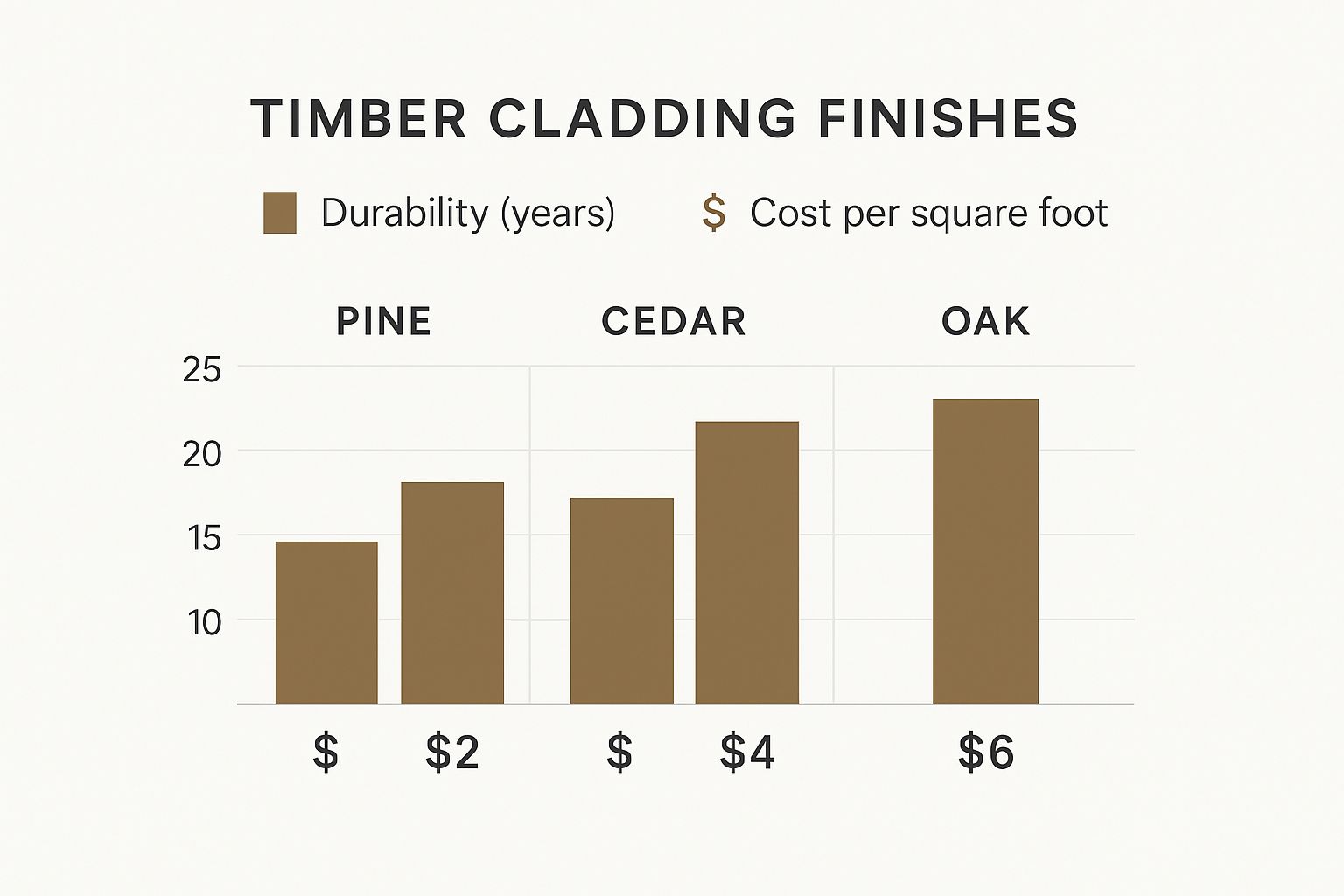
Selecting the perfect timber for your project is where your design vision really starts to come alive. The type of wood you choose for your timber cladding interior is a big decision, defining the room’s character and influencing everything from the colour scheme to the overall mood. It’s a choice that needs to balance looks, practicality, and your budget.
Luckily, there’s a fantastic range of options out there, each with its own unique personality. From the light, airy feel of softwoods to the rich, commanding presence of hardwoods, the right timber is just waiting to bring your walls to life. It’s no wonder this design choice is becoming more popular.
In fact, the demand for high-quality veneered timber panels in the UK, often used for interior cladding, is climbing. The market is valued at around USD 310.9 million in 2025 and is expected to grow at a rate of 6.0% over the next decade, a testament to its rising popularity in both homes and commercial spaces.
Approachable Softwoods: Pine and Spruce
If you’re looking for a beautiful solution that won’t break the bank, softwoods like Pine and Spruce are excellent places to start. They’re well-known for their light, creamy tones and distinctive grain patterns, which can brighten up any space and help create a clean, minimalist feel.
Pine, with its characteristic knots, brings a rustic, country-chic appeal that’s perfect for creating a cosy, welcoming atmosphere. Spruce, on the other hand, usually has a finer, more uniform grain, lending itself to a slightly more modern, Scandinavian-inspired look. While they aren’t as dense as hardwoods, they are more than tough enough for interior walls where they won’t be exposed to the elements.
The Enduring Elegance of Hardwoods: Oak and Ash
If durability and a sense of timeless luxury are high on your list, then hardwoods like Oak and Ash are simply unmatched. These timbers are denser, harder, and far more resistant to everyday knocks and scrapes, making them a superb long-term investment.
Oak is celebrated for its prominent, swirling grain and warm, honey-gold hues, bringing a feeling of strength and heritage to a room. Ash offers a lighter, often pale-creamy colour with a straight, consistent grain, giving a look that is both sophisticated and contemporary. Both options provide a premium finish that adds significant value and character to your home.
Unique Choices for a Statement Wall
Looking to go beyond the conventional? There are several unique choices that can turn a simple wall into a genuine work of art. These materials bring texture, history, and a touch of drama to your interior design.
- Reclaimed Timber: Every plank of reclaimed wood tells a story. Sourced from old barns, factories, or warehouses, it comes with a rich patina, weathered textures, and markings from its previous life. This option is not only sustainable but also adds instant history and rustic charm that simply can’t be replicated with new materials.
- Yakisugi: For a truly dramatic and modern finish, consider Yakisugi. This ancient Japanese technique involves charring the surface of the wood, which creates a stunning, deep black finish that is both beautiful and incredibly resilient. The process brings out the wood’s natural grain, resulting in a unique, textured surface that makes a powerful design statement.
To make sense of the main contenders, it helps to see their qualities side-by-side.
Comparison of Popular Interior Cladding Timbers
| Timber Type | Key Characteristics | Best For | Price Range |
|---|---|---|---|
| Pine | Light colour, prominent knots, soft and easy to work with. | Rustic, Scandinavian, and country-style interiors; budget-conscious projects. | £ |
| Spruce | Pale, creamy white with a fine, straight grain. | Modern, minimalist designs seeking a clean and bright aesthetic. | £-££ |
| Oak | Warm golden tones, distinctive swirling grain, very durable. | Traditional, heritage, and high-end contemporary spaces; feature walls. | £££ |
| Ash | Pale cream colour, straight grain, hard-wearing and flexible. | Sophisticated, contemporary interiors needing a light but durable finish. | ££-£££ |
| Reclaimed | Unique patina, nail holes, and weathered texture. Rich in history. | Industrial, rustic, and eclectic designs where character is paramount. | ££-££££ |
This table gives you a snapshot, but the best choice always comes down to the specific look and feel you want for your space.
Beyond solid wood, a deeper understanding of engineered wood can open up new possibilities. Engineered options often provide better stability in rooms with fluctuating humidity, making them a very practical choice for certain applications. For a more detailed breakdown, have a look at our guide on solid wood vs engineered wood.
Ultimately, the best timber is the one that aligns perfectly with your design goals, your budget, and the functional needs of your space.
Inspiring Designs for Your Timber Feature Wall
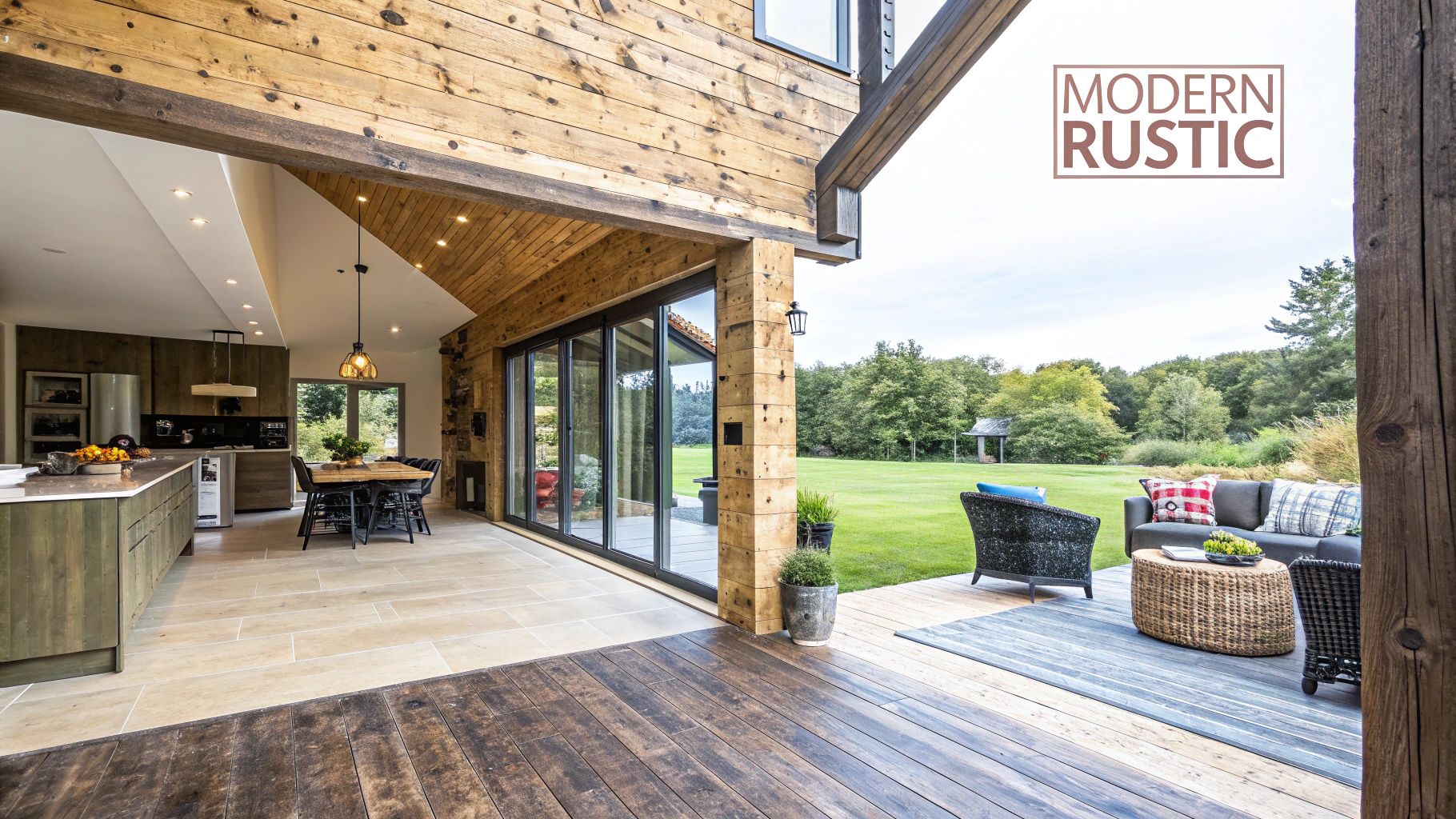
A timber cladding interior is so much more than just a way to cover a wall; it’s a canvas for your design ambitions. How you choose to lay the boards, the patterns you create, and the finish you apply can completely transform a room’s atmosphere. You can make it feel taller, wider, cosier, or more dramatic.
Let’s look beyond the basics and explore some creative ways to turn a plain wall into a show-stopping focal point.
Vertical vs Horizontal: The Power of Direction
The direction you lay your timber boards has a powerful psychological effect on how we perceive a space. It’s a classic interior design trick, a simple illusion that can visually correct a room’s proportions or evoke a specific feeling.
Laying boards vertically is the go-to technique for creating an illusion of height. The lines draw the eye upwards, making rooms with low ceilings feel more spacious and airy. This works wonders in smaller rooms, hallways, or behind a tall piece of furniture to add a sense of grandeur.
On the other hand, horizontal cladding makes a room feel wider and more expansive. The long, continuous lines guide the eye from side to side, which is perfect for making narrow rooms feel less confined or for creating a calm, grounded atmosphere in a larger living area.
Think of it like choosing an outfit. Vertical stripes make you look taller, while horizontal ones add width. The same principle applies directly to your walls, allowing you to visually reshape your room with timber.
Beyond the Straight and Narrow: Patterns That Pop
If you’re looking to make a bolder statement, moving beyond simple straight lines opens up a whole world of design possibilities. Geometric patterns can elevate a feature wall into a true piece of art, adding a captivating sense of texture and movement.
Two of the most popular and effective patterns are herringbone and chevron.
- Herringbone: This timeless pattern is made by laying rectangular boards in a classic zigzag arrangement. The result is a beautiful, interwoven effect that brings sophisticated energy and depth to a wall, making it a fantastic choice for a living room or an elegant headboard.
- Chevron: Similar to herringbone but with a cleaner, more uniform look, chevron patterns are created from boards cut at an angle to form a perfect ‘V’ shape. This produces a strong, directional flow that feels both modern and timeless, ideal for creating an impactful focal point.
While these patterns require more precise cutting and a bit more patience to install, the stunning visual payoff is more than worth the effort.
Finishes That Define the Mood
The finish is the final touch that truly defines the timber’s character. It’s what separates a rustic, cabin-like feel from a sleek, modern aesthetic. Your choice of finish can either celebrate the wood’s natural beauty or tie it perfectly into your room’s colour scheme.
Consider these options to match your vision:
- Clear Oils and Waxes: To let the natural grain and colour be the star of the show, a clear oil or wax is the way to go. This finish protects the wood while enhancing its organic texture and warmth—perfect for minimalist or Scandinavian-inspired designs.
- Stains and Washes: Stains can deepen or alter the wood’s colour without hiding the grain. A dark stain adds drama and sophistication, while a light, whitewashed look can create a breezy, coastal feel.
- Bold Paints: Don’t be afraid to paint your timber cladding! A coat of bold paint creates a powerful accent wall that still has that lovely wood texture, fitting right in with modern farmhouse or eclectic interiors.
- Charred Finishes: For a truly unique and dramatic statement, nothing beats a charred finish. The ancient Japanese art of Yakisugi (also known as shou sugi ban) creates a deep, carbonised layer that is both stunningly beautiful and incredibly durable. To see what’s possible with this technique, you can explore our guide to charred timber cladding.
By combining the right orientation, pattern, and finish, your timber feature wall can become the defining element of your home, reflecting your personal style and creating a space you’ll love for years to come.
Installation and Care for Lasting Beauty
Getting that flawless, professional finish with your timber cladding interior—and keeping it that way for years—really boils down to two things: a solid installation and a bit of simple care. This is where a little upfront knowledge makes all the difference, whether you’re a keen DIYer or bringing in a professional.
The whole process starts well before you even think about picking up a hammer. It begins with getting your timber ready for its new home.
Preparation and Acclimatisation
One of the most crucial steps, and one that’s surprisingly easy to skip, is acclimatisation. Wood is a living, breathing material. It expands and contracts with the temperature and humidity of its surroundings. To avoid any future headaches like warping or gaps appearing between boards, you have to let the timber get used to the room it’s going into.
It’s simple enough. Just bring the cladding into the space and let it rest for at least 48-72 hours before you start. This bit of patience allows the wood’s moisture content to match the room’s environment, ensuring a stable, perfect fit once it’s on the wall.
While the wood is settling in, you can get the wall surface ready. It needs to be clean, dry, and as flat as possible. Small bumps aren’t a deal-breaker, but you’ll want to sort out any major dips to create a solid foundation. This is also the perfect time to fix battens to the wall, which not only give you a straight framework to work from but also create a vital air gap for ventilation.
Fixing Methods and Finishes
How you attach the boards to the wall has a huge impact on the final look. You can make the fixings disappear or turn them into a deliberate design choice.
- Secret Nailing: For a super clean, modern finish, nails or screws are driven at an angle through the tongue of each board. The groove of the next board then neatly covers them up. It creates a seamless surface where the wood truly shines.
- Face Fixing: On the other hand, you can drive decorative screws or nails straight through the front of the boards. This gives off a more rustic or industrial vibe, making the fixings themselves part of the aesthetic.
Once everything is up, a protective finish is your best friend. A clear varnish, oil, or wax will seal the timber from dust and moisture, all while making that beautiful natural grain pop. This is especially important in rooms like kitchens or bathrooms where things can get a bit steamy. For a deeper dive into the fitting process, take a look at our complete guide on the installation of cladding.
“The long-term success of timber cladding is less about the material itself and more about the attention given to its installation. A well-prepared surface and properly acclimatised wood are the foundations of a feature wall that will last a lifetime.”
Long-Term Care and Maintenance
The good news is that looking after your timber cladding is incredibly straightforward. A regular dust with a soft cloth or the brush attachment on your vacuum is pretty much all you need to keep it looking fantastic.
If you get any spills or marks, just a slightly damp cloth will do the trick. Steer clear of harsh chemical cleaners, as they can strip the finish right off the wood. For any minor scuffs, a gentle sanding followed by a quick touch-up with the original finish will usually make them vanish.
It’s interesting to see how popular timber is becoming for interiors, especially when you compare it to its use in wider construction here in the UK. For instance, only 9% of new homes built in England in 2019 used timber framing. That figure seems tiny when you see that in Scotland, it’s 92%! It just goes to show there’s so much more potential for this brilliant, sustainable material.
Your Next Steps to a Stunning Timber Interior
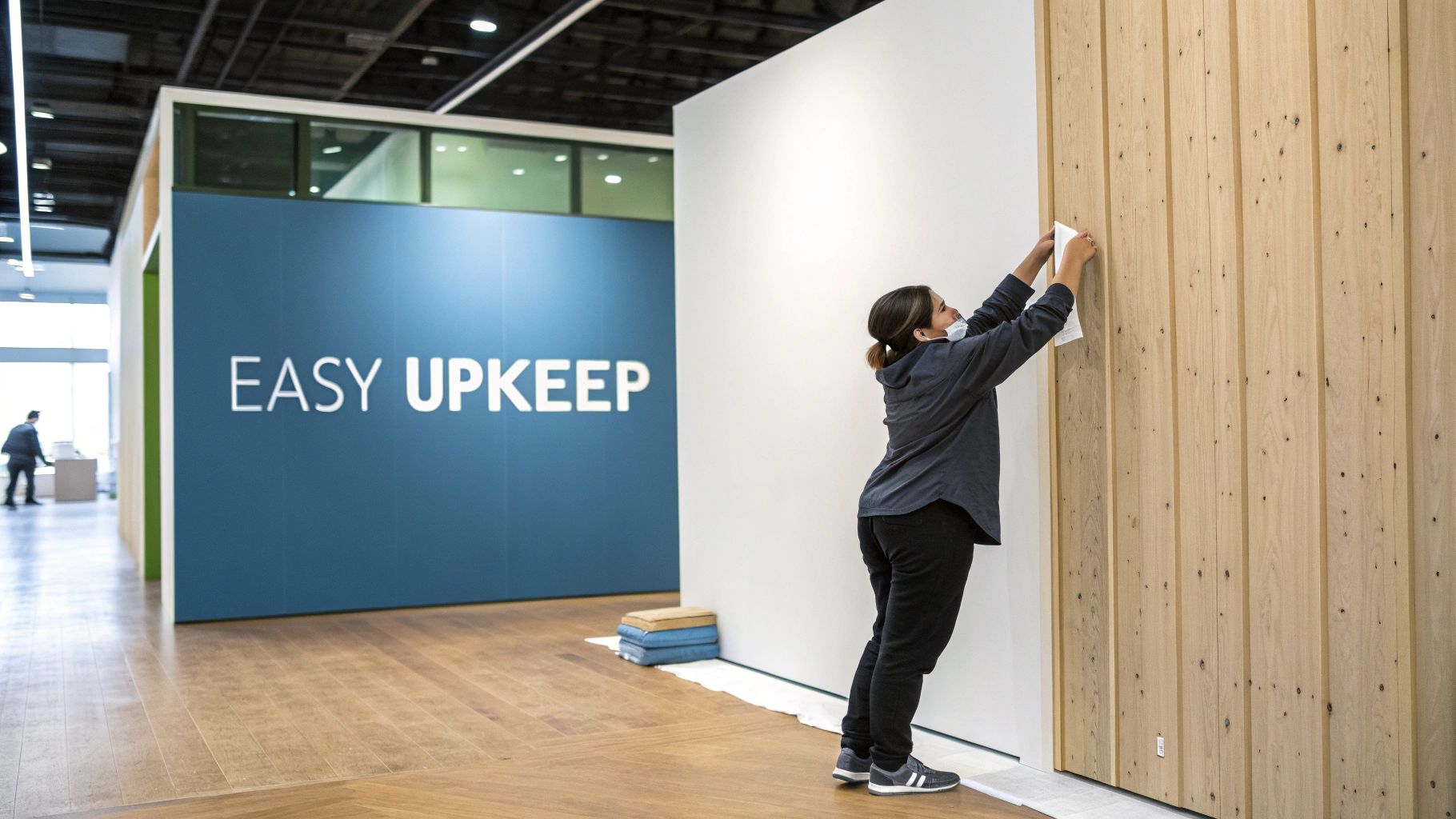
So, there you have it. You’re now armed with the essentials for bringing the timeless character of a timber cladding interior into your home. We’ve walked through the practical perks, explored the distinct personalities of different woods, and hopefully sparked some ideas for designs that can completely transform a room.
Think of this guide as your companion, something to dip back into as you go from dreaming to doing. The next part of the process is the most exciting one: picturing how it all comes together in your own space.
Making Your Vision a Reality
The best way to turn your ideas into a solid plan is to get hands-on. Photos and websites are great for inspiration, but nothing beats seeing the real thing in your own home, with your own lighting.
- Gather Samples: Get your hands on a few samples of the timbers that have caught your eye. Prop them up against the wall and see how they look as the light changes from morning to evening.
- Sketch It Out: You don’t need to be an artist. A quick, rough sketch of your feature wall helps you visualise how the boards will look laid horizontally, vertically, or in a more creative pattern.
- Think About the Vibe: What’s the mood you’re aiming for? A cosy, rustic hideaway or a sharp, contemporary statement piece? The timber you choose, and its finish, will be central to getting that feeling just right.
Your home is your sanctuary, a place that should reflect who you are. Timber cladding is a fantastic way to build a warm, inviting, and natural atmosphere that you just can’t get from a simple coat of paint.
Your journey towards a more beautiful, organic interior starts now. By taking these simple first steps, you’re turning a vague idea into a real project, bringing the enduring appeal of timber that much closer to home.
Frequently Asked Questions
It’s completely normal to have a few questions swirling around when you’re thinking about a project like adding timber cladding to your home. It’s a big decision! To help you feel confident and ready to go, we’ve put together some straightforward answers to the questions we get asked most often.
We’ll cover the practical side of things – cost, where you can use it, and how to look after it – so you have all the information you need. Let’s get into it.
How Much Does Interior Timber Cladding Cost?
The price of interior cladding can vary quite a bit, so it’s less of a fixed price and more of a sliding scale. The biggest factor, by far, is the type of wood you choose. Softwoods like Pine, for example, are a fantastic, cost-effective option for anyone on a tighter budget.
If you’re looking at premium hardwoods like Oak or something with a unique story, like reclaimed timber, the cost will naturally be higher. Don’t forget to factor in the installation, too. A simple, horizontal plank design will cost less in labour than a more intricate pattern like herringbone. As a rough guide, you can expect to budget anywhere from £40 to over £150 per square metre, which usually includes the fitting.
Can I Use Timber Cladding in a Bathroom or Kitchen?
Absolutely! It brings an incredible warmth to these rooms, but you just need to be smart about it. The success of timber in a damp environment comes down to two things: choosing the right wood and sealing it properly.
- Pick Your Timber Wisely: Go for woods that have a natural knack for handling moisture. Cedar is a great choice, as are thermally modified timbers. They’re far less likely to warp or swell in humid conditions.
- A Good Seal is Non-Negotiable: You’ll need to protect the wood with a high-quality waterproof varnish or oil. This creates a barrier that stops water from getting into the grain, which is essential for making it last in a bathroom or kitchen.
- Don’t Forget Ventilation: A good extractor fan and airflow are your best friends. Managing the room’s humidity will help keep your timber wall looking perfect for years to come.
When you get the preparation right, a timber feature wall can turn a functional bathroom into a spa-like retreat or add a cosy, organic feel to a kitchen. You just have to protect it from its one main enemy – water.
Is Interior Timber Cladding a Sustainable Choice?
Yes, it’s one of the best choices you can make for a sustainable home, as long as you source it correctly. Wood is a natural, renewable resource. When it comes from responsibly managed forests, its carbon footprint is tiny compared to most factory-made materials.
To be sure you’re making a good choice, always look for certifications like FSC (Forest Stewardship Council) or PEFC (Programme for the Endorsement of Forest Certification). These labels are your guarantee that the timber comes from forests that are managed in an environmentally and socially sound way.
How Do I Clean and Maintain My Timber Walls?
You’ll be happy to hear that looking after your timber walls is incredibly easy. For regular cleaning, all you need is a quick wipe with a microfibre cloth or a once-over with the soft brush attachment on your vacuum. That’s usually enough to keep it looking fresh.
If you get any small scuffs or marks, a slightly damp cloth will typically do the trick. Just try to avoid any harsh chemical cleaners, as they can strip or damage the protective finish on the wood. After many years, if you feel the finish has lost a bit of its lustre, a very light sanding and a new coat of oil or varnish will bring it back to life instantly. It really is a durable, low-fuss material.
Ready to bring the unique beauty of charred timber into your home? TimberSol specialises in creating stunning, durable cladding using the traditional Yakisugi method. Explore our range of products and start your design journey today.
