
Top Wood Weather Resistant Options for Outdoor Projects

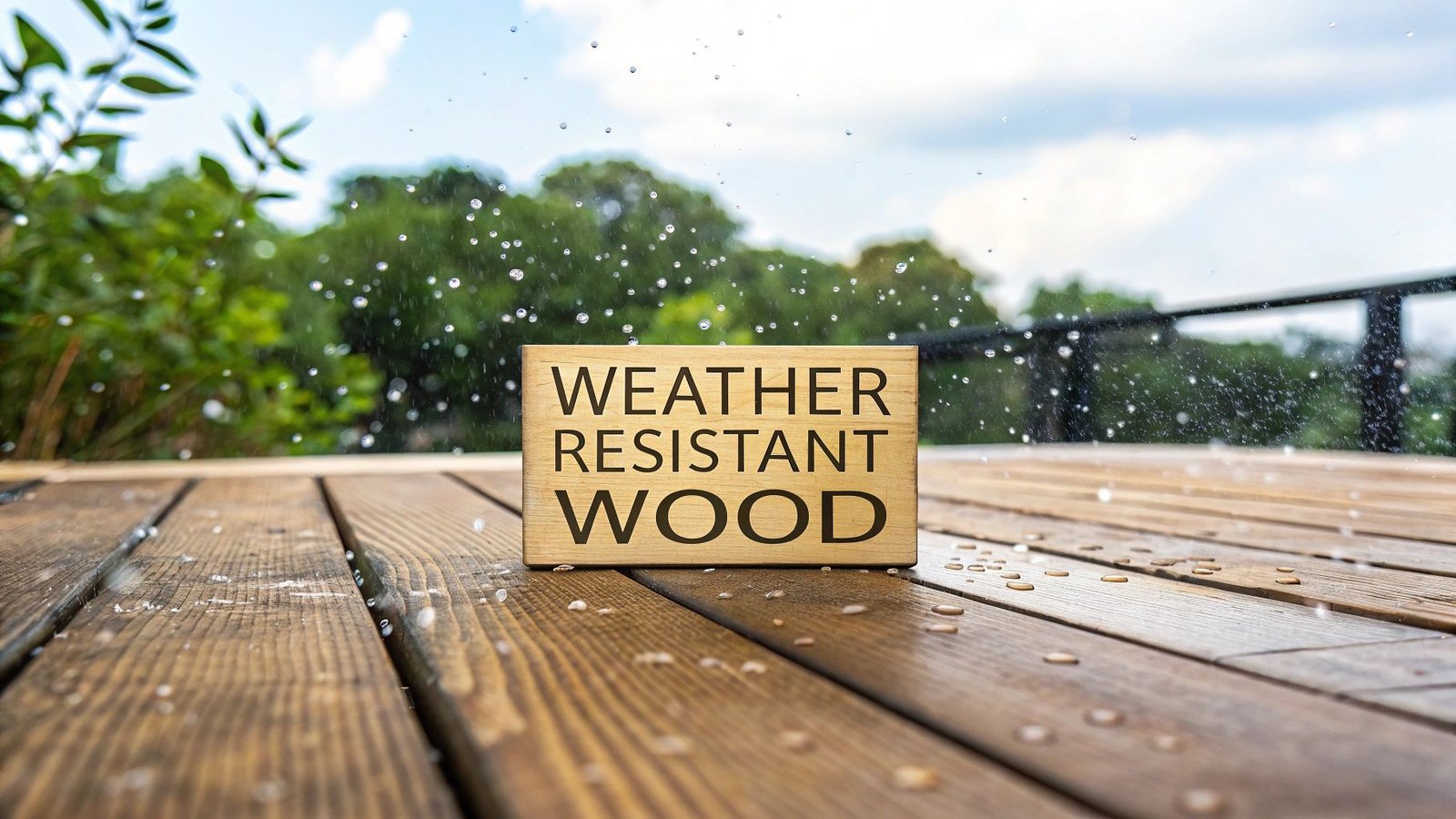
Weather-resistant wood options are timber species and treatments specifically designed to withstand outdoor exposure to moisture, UV radiation, fungi, and insects. Durable options include naturally rot-resistant hardwoods, resin-rich softwoods, and pressure-treated or modified timber that offer improved stability, reduced water absorption, and extended service life in exterior conditions.
Selecting timber for outdoor use requires balancing aesthetics with long-term durability. While wood offers natural character, exterior exposure subjects it to rain, UV radiation, and biological threats that can accelerate deterioration. Choosing the most weather-resistant wood options begins with understanding the environmental factors that affect timber performance outdoors.
The article outlines the primary threats to outdoor timber – moisture, UV exposure, fungi, and insects – and explains how each factor impacts durability. It compares naturally resistant wood species, modern pressure and thermal modification treatments, and Yakisugi charring to guide material selection for decking, cladding, and fencing applications. Maintenance guidance and FAQs address expected lifespan, retreatment intervals, and relevant safety considerations.
Understanding the Primary Threats to Outdoor Wood
Effective timber selection starts with recognising the key risks associated with exterior exposure. In the UK’s damp climate, outdoor wood is consistently exposed to three primary threats, each affecting durability and appearance in different ways.
The Problem with Moisture
Timber is naturally porous, with an internal fibre structure designed to transport water in a living tree. When used outdoors, this same structure makes untreated wood highly absorbent.
Exposure to rain and humidity causes timber to absorb moisture and expand. As conditions dry, it releases moisture and contracts. This repeated expansion and contraction cycle places sustained stress on the material, leading to structural and surface degradation.
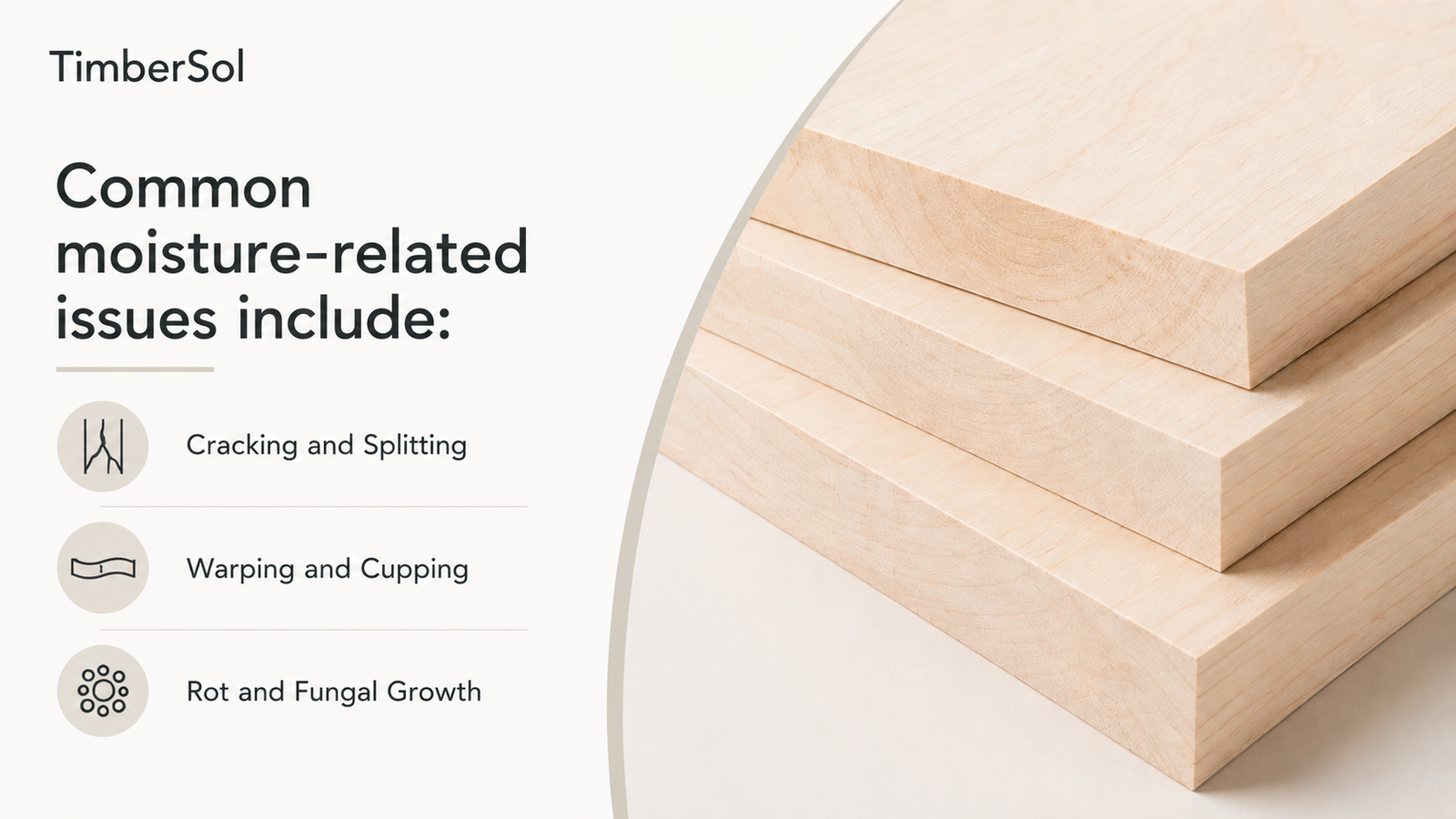
Common moisture-related issues include:
- Cracking and Splitting: Ongoing dimensional movement creates internal stress, resulting in surface fissures that develop into deeper cracks.
- Warping and Cupping: Boards may twist, bend, or curl at the edges, compromising stability and alignment.
- Rot and Fungal Growth: Persistent dampness provides ideal conditions for fungal development, leading to internal decay and structural weakening.
The Impact of UV Radiation
Ultraviolet (UV) radiation from sunlight gradually degrades exposed timber surfaces. UV rays break down lignin, the natural binding compound that holds wood fibres together.
As lignin deteriorates, the surface fibres loosen and erode. Rain then washes these weakened fibres away, producing the familiar silvery-grey appearance associated with weathered timber. While this effect may be visually acceptable in some designs, it indicates surface-level degradation. The compromised outer layer becomes more permeable, increasing susceptibility to moisture absorption.
Weather damage results from combined environmental factors. UV radiation roughens the timber surface, allowing moisture to penetrate more easily. Sustained damp conditions then create an environment conducive to fungal growth and insect activity.
The Threat of Fungi and Insects
When timber becomes damp and structurally weakened, it becomes highly vulnerable to biological attack. Wood-destroying fungi thrive in moist conditions, leading to various forms of rot that progressively degrade the timber’s internal structure.
In addition, insects such as wood-boring beetles target compromised wood. Their tunnelling activity weakens structural integrity and increases surface permeability, creating further pathways for moisture ingress.
Understanding the combined impact of moisture, UV exposure, and biological threats is essential for selecting an effective weather-resistant wood strategy that delivers long-term outdoor performance.
Nature’s Own Weatherproofing: Exploring Naturally Durable Wood
Certain timber species possess inherent durability without the need for additional chemical treatment. Their resistance to decay results from a combination of dense cellular structure and naturally occurring chemical compounds that inhibit moisture absorption and biological attack.
Understanding these internal characteristics provides a clearer basis for identifying genuinely weather-resistant wood species rather than relying solely on brand names or classifications. The durability of naturally resistant timber originates within its cellular composition, where density, oils, and tannins contribute to long-term outdoor performance.
A Tree’s Internal Armour
A timber’s natural durability is determined by two primary factors: physical density and chemical composition. These characteristics function as built-in protective mechanisms.
A dense, tight grain structure – common in many hardwoods – acts as a physical barrier. Reduced pore size and limited gaps between fibres restrict deep moisture penetration. This structural resistance slows the expansion and contraction cycle that contributes to cracking and warping.
In addition to density, naturally occurring chemical compounds known as extractives provide further protection. These include oils, resins, and tannins present within the heartwood. Extractives function as internal preservatives, reducing moisture uptake and limiting vulnerability to fungal decay and insect attack.
A Look at Nature’s Toughest Timbers
Timber species vary in their combination of density and natural extractives, which directly influences durability. Understanding these characteristics allows accurate material selection based on project requirements. Detailed comparisons are available in specialist resources on weather-resistant hardwood.
Common naturally durable species include:
- Oak: High density combined with elevated tannin content provides strong resistance to fungal decay and wood-boring insects. These properties contribute to Oak’s long-standing reputation for structural durability.
- Larch: A resin-rich softwood that performs similarly to many hardwoods. Its internal resin improves moisture resistance, making it suitable for cladding and fencing with extended service life.
- Teak: Contains high levels of natural oils and silica. This composition results in exceptional stability, strong resistance to rot, and high durability in demanding environments, including marine applications.
- Cedar: Contains thujaplicins, natural compounds with antifungal and insect-repellent properties. Cedar also exhibits low shrinkage and expansion, supporting dimensional stability for siding and roofing.
The use of naturally durable timber has a long history in temperate climates. Species such as Oak and Larch have been selected for centuries because their extractives inhibit decay. English Oak, for example, has been used since medieval construction and can exceed 50 years of service life in exposed conditions without treatment due to its density and tannin content.
Selecting naturally durable timber aligns material performance with environmental conditions, often reducing reliance on chemical treatments while supporting long-term structural integrity and visual quality.
Modern Treatments for Enhancing Wood Durability
While some timbers are naturally tough enough to face the elements, many common and affordable species need a bit of help to survive outdoors. Modern wood treatments provide this crucial support, turning otherwise vulnerable timber into a robust material for everything from decking to cladding. These methods aren’t all the same, ranging from simple surface applications to deep molecular changes.
Getting to grips with these treatments is the key to making a smart investment. Each one strikes a different balance between protection, appearance, and maintenance, so you can find the perfect fit for your project and make your chosen wood weather resistant.
Surface Coatings: The First Line of Defence
Surface coatings provide immediate protection by forming a barrier against moisture and UV exposure. Acting as an external shield, they reduce water penetration into timber fibres and limit surface degradation from sunlight.
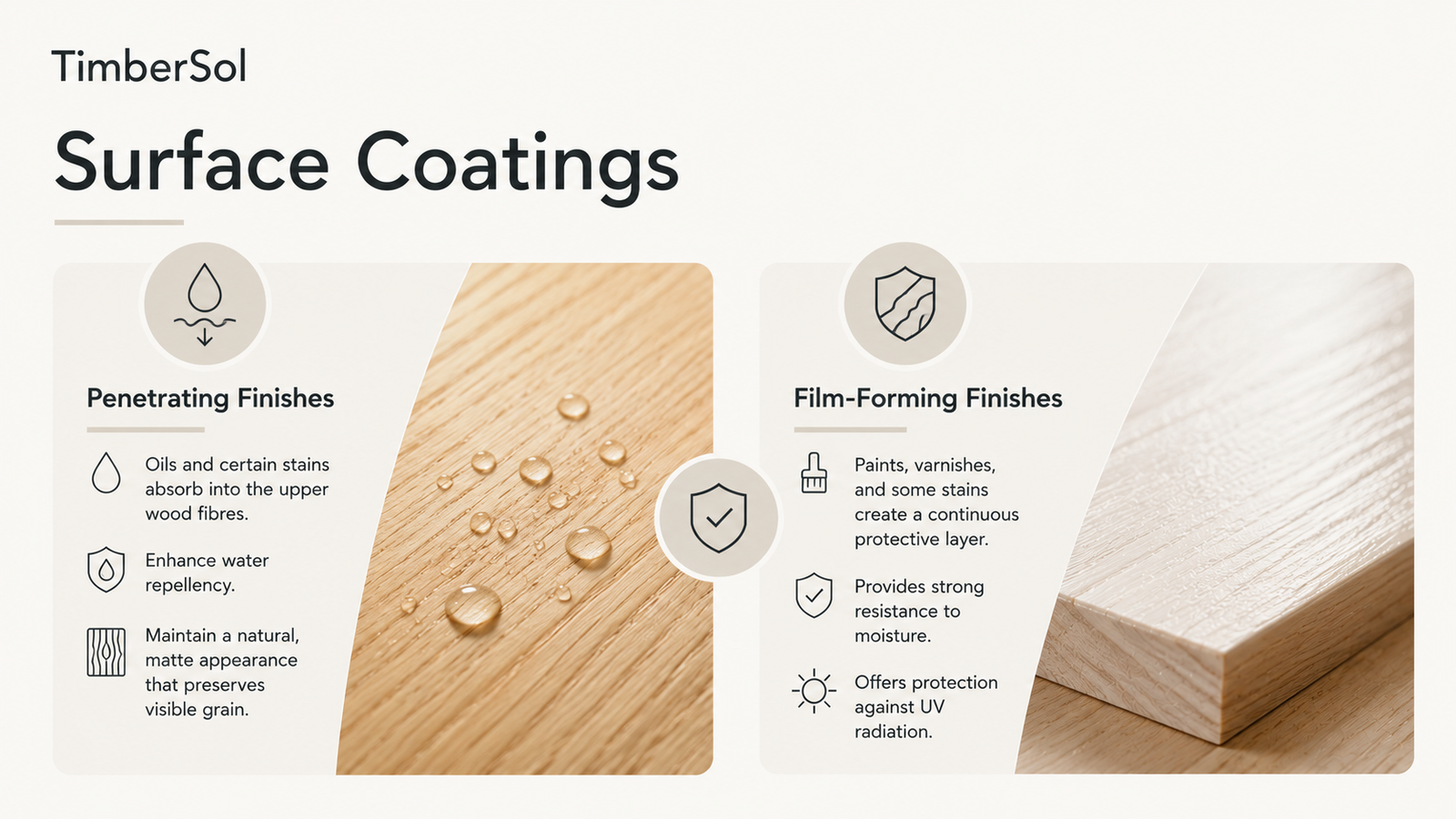
These treatments fall into two primary categories:
- Penetrating Finishes: Oils and certain stains absorb into the upper wood fibres. They enhance water repellency while maintaining a natural, matte appearance that preserves visible grain.
- Film-Forming Finishes: Paints, varnishes, and some stains create a continuous protective layer on the surface. This film offers strong resistance to moisture and UV radiation.
Surface coatings require periodic maintenance. Wear from sunlight, rainfall, and foot traffic – particularly on horizontal surfaces such as decking – gradually reduces effectiveness. Reapplication at regular intervals ensures continued protection.
Pressure Treatment: Inside-Out Protection
Pressure treatment is an industrial preservation process that delivers deeper and longer-lasting protection than surface coatings. Instead of protecting only the exterior, it forces preservatives into the timber’s cellular structure.
It can be compared to saturating a dense sponge. If liquid is poured onto the surface, penetration remains shallow. Under pressure treatment, however, the timber is placed in a sealed chamber and preservatives are driven inward under high pressure, ensuring the solution reaches deep into the core.
The process places timber inside a sealed cylinder. A vacuum removes air from the wood’s cells, after which preservative chemicals are introduced under high pressure. This forces the treatment solution deep into the core of the timber, providing internal resistance against rot and insect attack.
By penetrating the full cross-section of the wood, pressure treatment significantly extends the lifespan of commonly used softwoods such as Pine and spruce cladding. This makes treated timber a durable and cost-effective option for structural posts, fencing, and decking joists, resulting in a weather-resistant material suitable for long-term outdoor use.
Advanced Wood Modification
Advanced wood modification techniques alter timber at a molecular level rather than simply coating or infusing it. These processes enhance dimensional stability and decay resistance without relying solely on traditional biocidal treatments.
Two primary modification methods are widely used:
- Thermal Modification: Timber is heated in a controlled, oxygen-limited environment at temperatures above 180°C. This process alters the cell structure and reduces moisture absorption by up to 50%, significantly improving dimensional stability and reducing susceptibility to fungal growth.
- Acetylation: Timber is treated with acetic anhydride, converting free hydroxyl groups within the wood into acetyl groups. This molecular alteration reduces water uptake and limits vulnerability to decay-causing enzymes, enhancing long-term durability.
Recent developments in wood treatment technology have prioritised performance and environmental responsibility. Modern water-based coatings combined with biocidal preservatives can extend exterior timber lifespan from a typical 5–10 years to more than 30 years. Industry data indicates that properly treated timber can reduce fungal decay risk by up to 90%, enabling its use in increasingly demanding environmental conditions. You can explore more about these market trends and their impact on the modified wood industry.
The Art and Science of Yakisugi Charred Timber
Yakisugi, also known as shou sugi ban, is a traditional Japanese wood preservation technique that strengthens timber through controlled surface charring. Rather than damaging the wood, the process enhances durability by transforming the outer layer. You can see how this technique is applied in modern architecture with materials such as charred douglas fir cladding.
Careful charring creates a carbonised surface that functions as a natural protective barrier. This layer provides resistance against moisture, insects, and fungal decay.
The technique combines elemental heat with precise craftsmanship, converting standard timber into a more durable and visually distinctive material. Yakisugi demonstrates how traditional methods can deliver long-lasting performance alongside architectural impact.
How Charring Creates a Natural Shield
Controlled surface charring removes the softer cellulose layer of the timber, leaving behind a hardened carbonised surface. This transformation significantly improves the wood’s resilience in a few key ways.
First, the carbon layer becomes hydrophobic, meaning it repels water. By limiting moisture penetration into the timber core, charring reduces the risks of swelling, cracking, and fungal decay.
In addition, the combustion process removes sugars and starches that typically attract insects and fungi. The resulting carbonised surface provides a less hospitable environment for biological attack, contributing to long-term resilience with minimal maintenance requirements.
The Four Essential Steps of Yakisugi
Achieving a high-quality Yakisugi finish requires a disciplined process. Each stage contributes to both the protective performance and the distinctive visual character that defines charred timber. For a much closer look, you can find a deeper dive into the Yakisugi technique on our blog.
The traditional method consists of four core steps:
- Charring: The timber surface is exposed to intense heat. Historically, three boards were bound into a triangular chimney and ignited internally. Modern applications often use controlled torches to achieve an even char.
- Cooling: Immediately after charring, the timber is doused with water to halt combustion. This stabilises the carbon layer and prevents structural compromise.
- Cleaning: The surface is brushed, typically with a stiff wire brush, to remove loose soot and ash. This reveals the underlying texture, which may range from a deep, crackled “alligator skin” effect to a smoother finish.
- Oiling: A natural oil is applied to seal the surface, enhance the darkened tone, and provide additional resistance against moisture and UV exposure.
This method turns a weakness—fire—into a source of strength. By embracing a destructive force in a controlled way, Yakisugi creates a product that is not only tougher but also more beautiful. It is a clear example of resilience through transformation.
Beyond its incredible toughness, Yakisugi also offers a striking visual appearance. Its dramatic, textured surface makes a bold statement on cladding, fencing, and decking, proving that durability, style, and sustainable performance can exist in the same material.
Comparing Your Weather Resistant Wood Options
You have several different paths to achieve a truly weather-resistant finish for wood. These include naturally durable wood species, modern chemical treatments, and the traditional Yakisugi charring technique. Each option offers a different way to improve wood durability, so the right choice depends on the needs of your project.
The best option for a sun-drenched coastal deck will be very different from the one you might choose for a shady garden fence in a damp part of the country. This is not about finding one “perfect” wood, but about choosing the option that best fits your budget, your style, and how much maintenance you are willing to handle over time.
Evaluating Key Performance Factors
To make a smart choice, it is important to compare how these options perform against each other. Each solution involves trade-offs. A lower upfront cost may require more frequent maintenance, while a higher initial investment can provide longer durability with minimal upkeep.
Consider several common scenarios:
- For a high-traffic deck: Durability is essential. The material must withstand constant use and outdoor exposure while requiring minimal maintenance. Dense tropical hardwoods or thermally modified wood are strong long-term solutions.
- For decorative cladding: Appearance becomes a major factor. Yakisugi provides a dramatic, textured look with strong weather resistance, while wood species such as Cedar create a more traditional and warm visual effect. High-quality softwoods such as douglas fir wood cladding also offer strong durability and a refined natural grain.
- For a simple garden fence: Cost is often the main consideration. Pressure-treated pine offers reliable protection against rot and weathering while remaining one of the most cost-effective options.
A Comparative Overview
To make the comparison clearer, the table below outlines the most popular solutions. Think of it as a quick-reference guide that helps you quickly evaluate the advantages and disadvantages of each option.
Comparison of Weather Resistant Wood Solutions
| Wood Option | Average Lifespan (Exposed) | Maintenance Level | Relative Cost | Key Environmental Note |
|---|---|---|---|---|
| Naturally Durable Hardwood (e.g., Teak) | 40+ years | Low to Medium | High | Must be sourced from certified sustainable forests to ensure responsible harvesting. |
| Naturally Durable Softwood (e.g., Cedar) | 15-25 years | Medium | Medium-High | Often sourced locally, reducing its carbon footprint. It is naturally biodegradable. |
| Pressure-Treated Softwood (e.g., Pine) | 15-20 years | Low | Low | The preservative chemicals require specific disposal methods at the end of its life. |
| Thermally Modified Wood | 25+ years | Very Low | High | A chemical-free process that enhances durability using only heat and steam. |
| Yakisugi (Charred Timber) | 50+ years | Very Low | High | Uses a natural, fire-based process to preserve wood without synthetic chemicals. |
The shift toward long-lasting timber is not a niche trend but a broader movement across the construction industry. Data from the Structural Timber Association (STA) and the Timber Trade Federation indicates that the market for treated and modified weather-resistant wood products has been growing by approximately 7% each year. The STA also reports that up to 40% of timber used for external applications is now modified or preserved in some way, largely due to stricter building codes and increasing demand for materials that require lower lifetime maintenance. You can read the full research about wood preservative market trends for a deeper dive.
By carefully assessing these factors against the specific requirements of your project, you can confidently choose a solution that provides the right balance of longevity, appearance, and value for money.
Looking After Your Weather-Resistant Wood for the Long Haul
Picking a naturally durable or treated timber is a brilliant first step, but it’s not a one-and-done job. Think of it like a quality leather jacket: it’s tough, but it still needs a bit of care to stop it from cracking and to keep it looking its best. Proactive upkeep is the real secret to getting the most out of your investment, ensuring your deck, fence, or cladding stays strong and beautiful for decades.
This doesn’t require complicated or time-consuming work. It’s mostly about routine checks and occasional cleaning to catch small issues before they turn into bigger, more expensive problems. A little attention now and then goes a long way in preserving both the timber’s structural integrity and its appearance.
Routine Cleaning and Inspection
Regular cleaning is your first line of defence. In the UK’s damp climate, outdoor wood surfaces often attract algae, mould, and general grime. This build-up traps moisture against the timber, which can accelerate the decay process. A gentle scrub with mild, soapy water a couple of times a year is usually enough to keep surfaces clean.
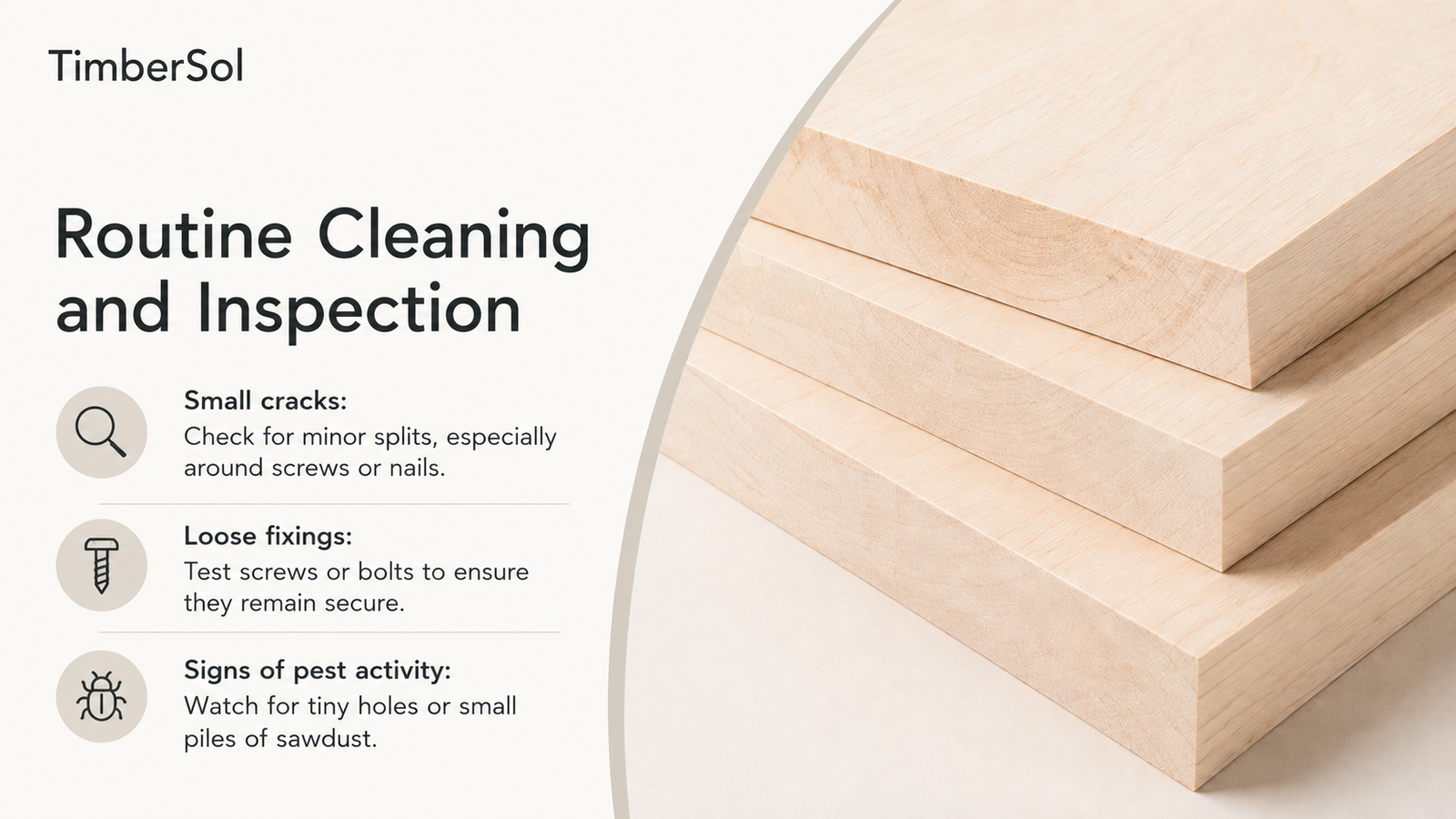
While cleaning, take the opportunity to carry out a quick inspection. Look for small signs of trouble that may require attention.
- Small cracks: Check for minor splits, especially around screws or nails where the wood experiences greater stress.
- Loose fixings: Test screws or bolts to ensure they remain secure, as loose fixings allow water to seep into the timber.
- Signs of pest activity: Watch for tiny holes or small piles of sawdust, which may indicate insect activity.
Identifying these issues early makes repairs simple. For example, sealing a small crack with wood filler is a quick task that prevents water from penetrating deeper into the timber and causing rot.
The goal of maintenance is not to constantly fight against natural processes but to support the wood’s natural or treated durability. Simple, consistent care allows the timber’s protective qualities to perform effectively for many years.
Knowing When to Refresh a Finish
One of the most common questions is how often a wood finish should be reapplied. In practice, this depends less on a strict schedule and more on the condition of the wood surface. A simple water test is an effective way to check the finish—just sprinkle a few drops of water onto the wood.
If the water forms tight droplets on the surface, the finish is still performing well. If the water soaks into the wood and darkens the surface, it indicates that a new coat should be applied.
Refreshing the finish is essential for maintaining the wood’s protection against UV exposure and moisture. For more detailed guidance, see our guide on how to protect wood outdoors. The required frequency varies depending on conditions: an oiled hardwood deck exposed to strong sunlight may need reapplication every one to two years, while a pressure-treated fence located in a shaded area can typically go much longer.
Your Questions Answered: Weather-Resistant Wood FAQs
Choosing the right timber for an outdoor project can feel overwhelming, with so many options and technical terms involved. To help you make a confident decision, we’ve answered some of the most common questions our customers ask about weather-resistant wood.
What’s the single most durable wood for outdoor use?
The “best” wood depends on your project, budget, and the appearance you want to achieve. If cost is not a limitation and maximum natural durability is the priority, tropical hardwoods such as Teak and Ipe are among the most durable options. Modified woods like Accoya also belong in this top tier, offering exceptional stability and a very long lifespan.
For most projects, however, the ideal solution is a balance between performance and price. This is where naturally tough timbers like Cedar or Larch really shine. For general-purpose applications like fencing or structural posts, pressure-treated softwood continues to be the go-to option for reliable and cost-effective durability.
There is no single “best” wood—only the best wood for your specific needs. The right choice balances lifespan, cost, maintenance, and the final appearance you want to achieve.
How often will I need to re-treat my exterior wood?
This depends on the type of wood, the finish applied, and the level of weather exposure. A deck finished with a penetrating oil—especially one exposed to strong, direct sunlight—typically needs reapplication every 1–2 years to maintain its appearance and protection.
On the other hand, a quality film-forming stain applied to vertical cladding can last significantly longer, often around 3–7 years. Pressure-treated wood does not require a coating to prevent rot, but many people apply one to prevent the surface from turning grey over time. Yakisugi charred timber is particularly low-maintenance and may only require re-oiling every 10–15 years to refresh its deep colour.
As a general rule, always follow the guidance provided on the product label for the finish you are using.
Can I make standard pine or spruce weather-resistant myself?
Yes, you can. That is exactly what exterior wood finishes are designed for. In most DIY projects, applying several coats of a high-quality exterior oil, stain, or paint creates a protective layer that helps shield the wood from moisture and UV exposure.
These coatings are an effective way to make standard wood more weather resistant, but regular maintenance is essential. Because they protect only the surface, the finish needs to be reapplied periodically to maintain protection. This approach differs from professional treatments such as pressure treatment or thermal modification, which alter the wood’s internal structure and provide deeper, longer-lasting protection.
Is pressure-treated wood safe to use for garden beds?
In most cases, yes. The pressure-treated timber sold for residential use is treated with copper-based preservatives, such as ACQ, which are considered safe for applications like raised vegetable beds. These preservatives are fixed within the wood’s cell structure, and research shows that only minimal amounts leach into the surrounding soil.
For those who prefer a more cautious approach, there are a couple of alternatives. Garden beds can be built from naturally rot-resistant woods such as Cedar or Larch. Another common solution is lining the inside of pressure-treated beds with a thick, food-grade plastic liner to create a protective barrier.
At TimberSol, we specialise in producing durable and visually distinctive charred timber using the traditional Yakisugi technique. If you’re looking for a low-maintenance, chemical-free, and striking solution for your next project, explore our range of products at https://timbersol-backup.elnoirstudio.com.
