
Understanding the Essential Properties of Hardwood

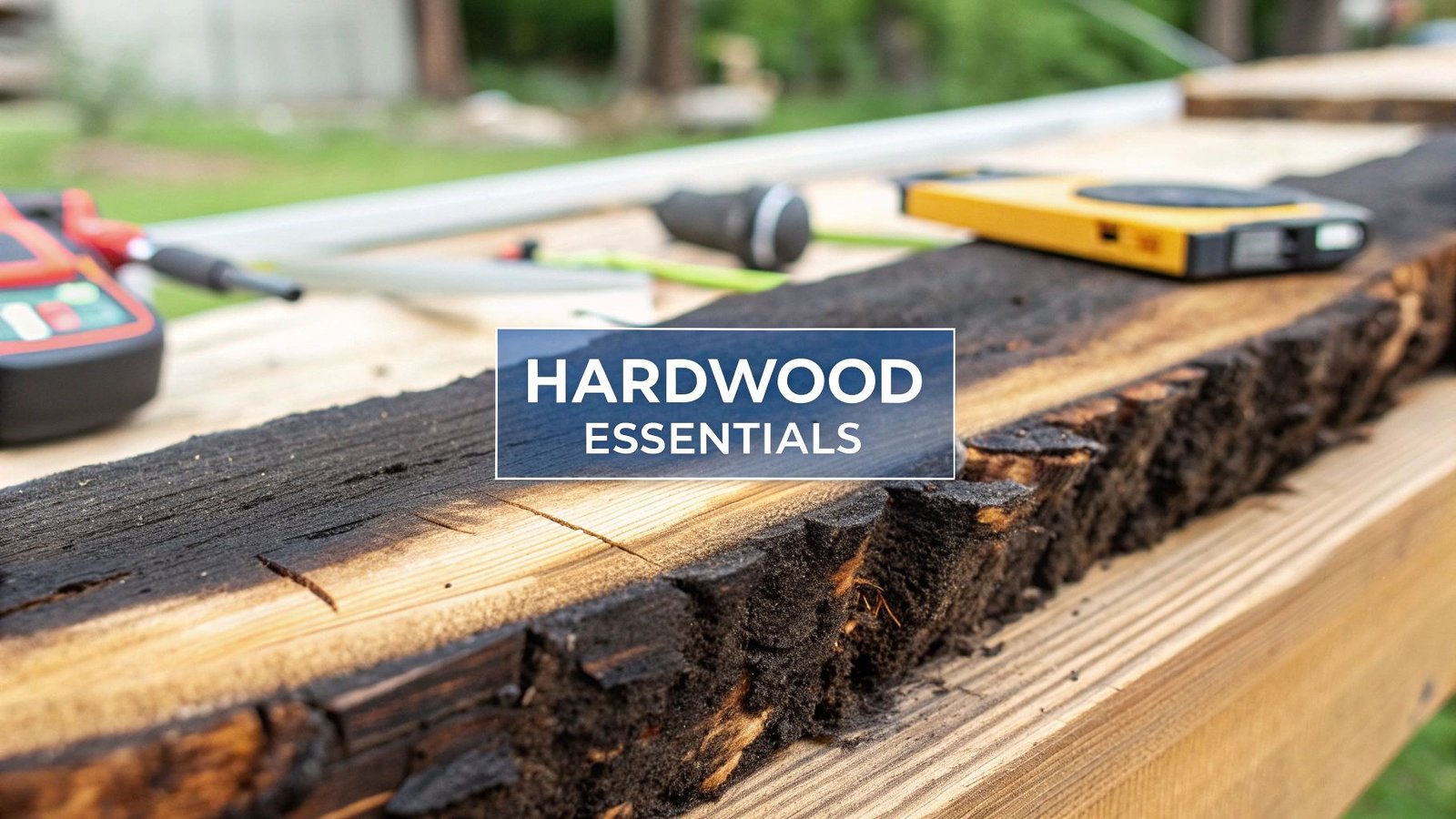
The unique properties of hardwood lies in its impressive strength, density, and distinctive grain patterns. This character originates from the wood’s specialized cellular structure, which gives hardwoods both their durability and visual appeal. Hardwoods come from deciduous trees, the species that shed their leaves each year. Because of their more complex biology, hardwood properties exhibit greater variation in texture, strength, and appearance. This biological complexity ultimately defines how each type of hardwood looks, feels, and performs across different applications.
What Gives Hardwood Its Unique Properties
Ever wondered why an oak floor feels so reassuringly solid underfoot, or why a mahogany table has such a rich, deep colour? The answer lies within the wood’s microscopic framework. It isn’t just a uniform block of material, it’s a sophisticated biological structure, a natural engineering marvel comparable to the steel skeleton of a skyscraper, which is engineered by nature for strength and a long life.
The primary difference between hardwoods and other woods begins at the cellular level. Hardwoods are made up of several key cell types. Cell types work in harmony to create their signature characteristics. Each cell type plays a specific structural role, much like skilled workers on a construction site
The Building Blocks of Strength
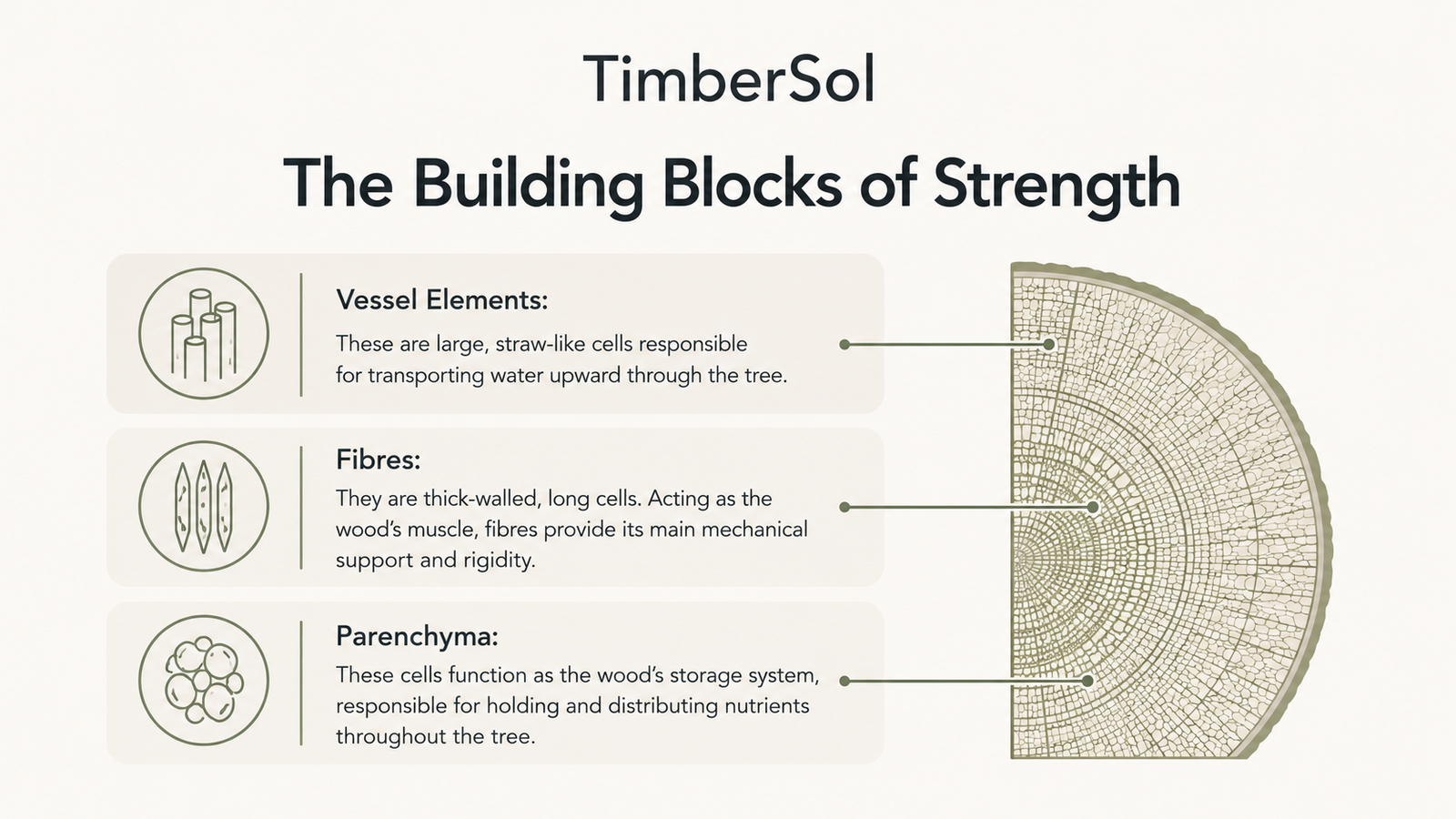
The core components that give hardwood its remarkable qualities are these specialised cells. They include:
- Vessel Elements: These are large, straw-like cells responsible for transporting water upward through the tree. Once the timber is cut, these vessels appear as pores. The size and arrangement of these pores directly influence the wood’s texture and are crucial for identifying different hardwood species.
- Fibres: They are thick-walled, long cells. Acting as the wood’s muscle, fibres provide its main mechanical support and rigidity. Because they are densely packed together, fibres contribute directly to the wood’s weight, density, and hardness, giving hardwoods their renowned strength and durability.
- Parenchyma: These cells function as the wood’s storage system, responsible for holding and distributing nutrients throughout the tree. Their arrangement and patterning vary among species, and these variations often influence the grain, figure, and visual character of timber.
Hardwood vs Softwood: A Clear Distinction
Complex internal structure sets apart hardwoods from softwoods. Softwoods come from coniferous trees, and have a much simpler cellular makeup. Softwoods are built from tracheids, which handle water transport and structural support. Because of this simplified design, softwoods generally exhibit lower density and hardness compared to hardwoods based on worldofwoodcraft.com data.
Dense, interlocking hardwood fibres are the reason for superior durability and resistance to wear. This complex biological blueprint explains why hardwoods are the preferred choice for demanding applications such as flooring, high-end furniture, and structural beams, where long-term strength and stability are essential.
Grasping this biological foundation is the first step to truly appreciating the material’s full potential. To dive deeper and make an informed decision, it’s worth consulting a complete guide on how to choose hardwood flooring. If you’re also weighing up different construction methods, you can learn more about the differences here: https://timbersol-backup.elnoirstudio.com/blog/solid-wood-vs-engineered-wood/.
Decoding Hardwood Strength and Durability
Strength and durability of hardwood are tangible, measurable properties that tell us exactly how a piece of timber will perform in the real world. The properties of hardwood determine how well a floor will stand up to daily life and whether a structural beam can confidently carry the building weight. It’s these mechanical characteristics that make hardwood a first-choice material.
Understanding timber toughness empowers you to choose the right wood for the right job. Right wood ensures the project stands the test of time. So, let’s break down the key metrics that define a hardwood’s resilience.
The Janka Hardness Test: A Practical Measure
Imagine dropping a heavy set of keys on a new floor or dragging a sofa across the room. The wood’s ability to resist those dings and scratches is what we call hardness. To quantify this property, the industry relies on the Janka hardness test, the standardized method used to measure a wood’s resistance to impact and surface wear.
The Janka Hardness test measures the force needed to embed a steel ball halfway into the wood. That resulting number is given in pounds-force (lbf) or Newtons (N). In simple terms, the higher the Janka rating, the tougher and more resistant the wood is to dents, scratches, and wear.
For instance, English Oak has a Janka rating of around 1,120 lbf, which explains why it’s such a brilliant choice for flooring in busy homes and commercial spaces. Janka rating provides solid data for informed decision-making.
Density: The Foundation of Strength
If there’s one single factor that underpins almost all of a hardwood’s mechanical properties, its density. Density is wood’s mass per unit volume (kg/m³) and it impacts on strength, hardness, and fire resistance. The logic is simple: a denser wood has more wood fibre packed into the same space.
Think of it like comparing a sponge to a brick. They might be the same size, but the brick is far denser and, as a result, infinitely stronger. The very same principle applies to timber.
Wood’s density is a result of its cellular structure. Species with thick-walled fibre cells and smaller pores are naturally denser. This not only makes them stronger but also gives them a much better grip on fixings like screws and nails.
This relationship is why incredibly dense hardwoods like Greenheart (over 1,000 kg/m³) are used for heavy-duty jobs like marine construction, while lighter woods are used for demanding roles. If you’re curious about which species top the charts for toughness, you might find our guide to the strongest types of wood an interesting read.
Elasticity and Bending Strength
While hardness and density tell us how a wood resists surface damage and compression, elasticity and bending strength describe how it behaves under a load. The Modulus of Elasticity (MOE) measures the wood’s elasticity and its ability to bend without breaking based on wood-database data. A high MOE points to a rigid wood, which is ideal for joists and beams.
Modulus of Rupture (MOR) tells us the wood’s ultimate bending strength. MOR measures maximum load wood can handle before failure. This is a critical metric for any application where the wood will be under serious stress, like structural framing or fine furniture joinery.
In the UK, hardwoods are highly prized for these exact qualities. They might make up a smaller portion of our timber production. For example, hardwoods recently accounted for about 8% UK roundwood harvested, amounting to 814,000 green tonnes. This consistent demand highlights hardwood’s role in high-quality furniture, flooring, and joinery, where durability isn’t just a bonus – it’s a requirement.
Understanding Wood’s Character: Grain, Moisture, and Stability
Hardwood tells a story through its physical properties. The intricate patterns of the grain are far more than just decoration; they’re a visual record of the tree’s life. They influence timber’s final look, workability, and environmental response. Equally important is the wood’s relationship with moisture – every craftsman and designer must get to grips with to ensure their work lasts.
The way a tree grows, reacts to seasons, soil, and sunlight – is etched directly into its fibres. This history is what creates wood grain. Learning to read grain patterns is the key to predicting how timber will perform.
Reading the Story in the Grain
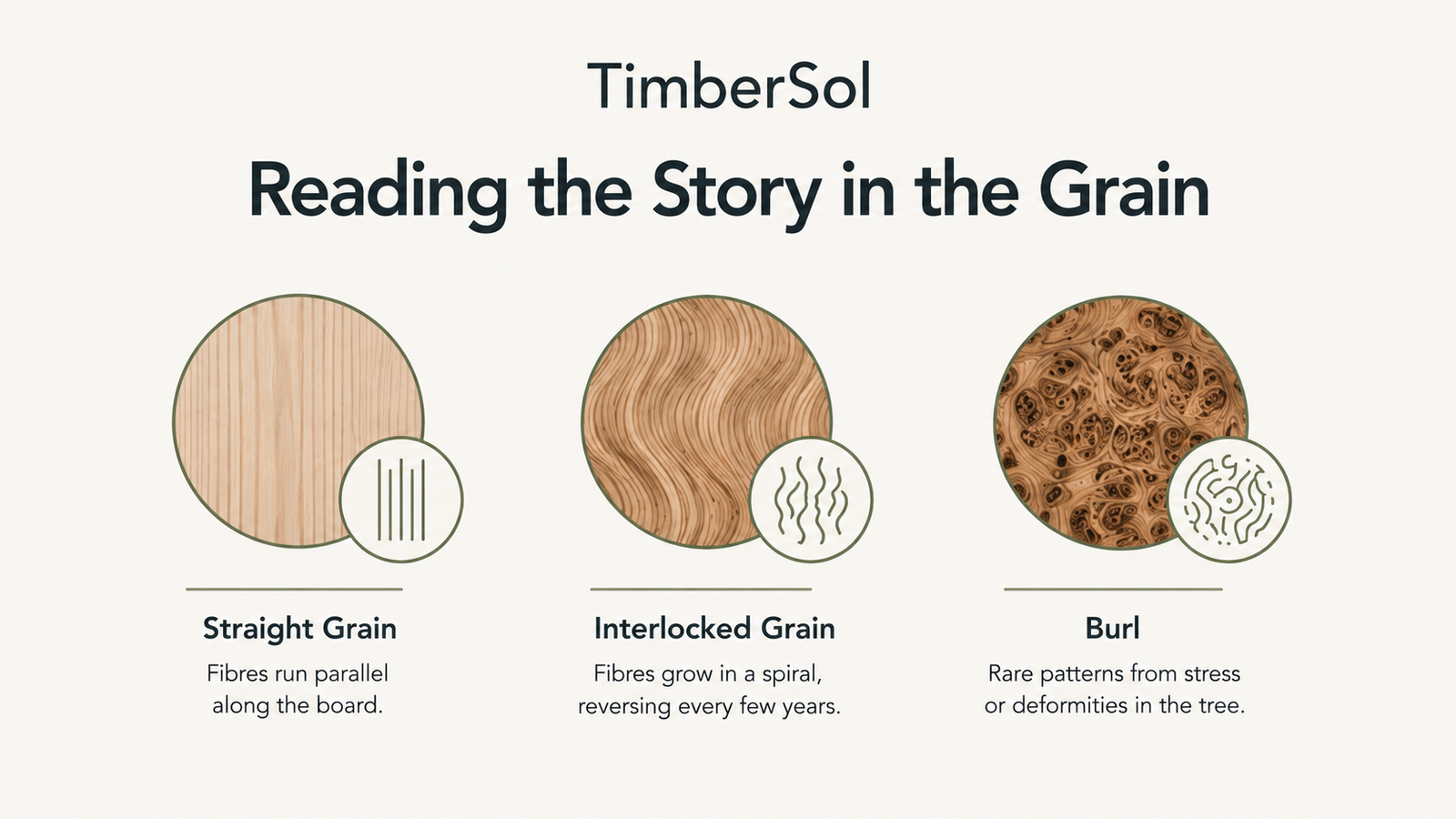
Wood grain is alignment, texture, and look of the wood fibres. Each pattern tells a different tale and brings a unique set of properties.
- Straight Grain: This is a pattern, where fibres run parallel along the board. Think of it like a neatly combed head of hair. Woods such as Ash have a straight grain, which makes them predictable and a pleasure to work with.
- Interlocked Grain: Here, the fibres grow in a spiral, with the direction of that spiral reversing every few years. This creates a stunning ribbon-like effect in the finished board, but it can also make the wood challenging to work with. Planing against grain direction causes tear-out.
- Burl: These are the rare, highly prized patterns that come from deformities or stress in the tree. The tree grows around this point of stress, creating a chaotic, beautiful swirl of grain that can look almost like marbled stone.
The grain affects the look of the wood, how easily it can be cut, shaped, and finished. An interlocked grain might be visually spectacular, but it demands sharper tools and a more careful approach than a simple, straight-grained board.
Wood grain is the fingerprint of the forest. Every line, knot, and swirl is a unique signature of the wood. Recognising grain patterns helps you choose the right piece of wood, not just for its beauty, but for its inherent working properties.
The Critical Role of Moisture Content
Wood is a hygroscopic material. That’s a technical way of saying it absorbs and releases moisture from the surrounding air. This constant exchange causes swelling, shrinking, and warping. Understanding this behaviour is essential for creating stable, long-lasting products.
The goal is always to bring the wood into balance with its intended environment. This balance point is called Equilibrium Moisture Content (EMC). When a piece of timber reaches its EMC, it’s neither gains nor loses significant amounts of moisture.
Interior furniture here in the UK, targets EMC between 8-11%. For exterior applications it might be higher, closer to 12-18%, depending on the local humidity. Getting the moisture content right is the most important step. If you install wood with a moisture content that’s way off its eventual EMC, it will inevitably move.
Preventing Warping and Cracking
It’s a simple rule: when wood absorbs moisture, it swells; when it loses moisture, it shrinks. The catch is that this movement isn’t uniform. Wood moves more across the grain than along its length. This difference is what causes warping, cupping, and cracking.
Proper seasoning defends against wood instability. By slowly and carefully reducing the moisture content of freshly sawn timber down to the correct EMC, we effectively pre-shrink the wood and minimise its potential to move later on. This is precisely why properly seasoned hardwood is a hallmark of quality.
Knowing how different species handle moisture is crucial when you’re choosing wood for an outdoor project. To learn more about this, you can explore our guide on choosing the best weather-resistant hardwood for your needs. By respecting wood’s relationship with moisture, we can create beautiful, functional pieces that will remain stable and true for generations.
Looking Beyond Strength: The Aesthetic Qualities of Hardwood
While we often focus on the incredible strength and stability of hardwoods, it’s their aesthetic appeal that truly captures the imagination. The unique visual and tactile qualities are what draw designers, architects, and homeowners to them, transforming a simple building material into a statement of style and warmth.
This beauty is far more than skin deep.
Visual depth of hardwood results from its complex cellular structure. How these cells are arranged and how they bounce light back at your eye creates a dynamic, engaging surface that brings any space to life.
The Science Behind a Shimmer: Lustre and Chatoyance
Have you ever noticed how a polished piece of wood seems to shimmer or change its appearance as you walk past? That’s not just a trick of the light; it’s a specific optical property that gives the timber its character. We’re talking about lustre and its more dramatic cousin, chatoyance.
Lustre is the wood’s natural sheen or glow. It’s created by light reflecting off the timber cell walls. A wood with high natural lustre, like Satinwood, can look bright and vibrant even before a single drop of finish has been applied.
Chatoyance is a ‘cat’s eye’ shimmer effect. It’s a striking, almost three-dimensional shimmer you often find in woods with interlocked or wavy grain based on walterbusch.com data. As light hits the spiralling wood fibres from different angles, it creates shifting bands of light and dark, giving the surface a sense of depth. Sapele is a classic example, famous for its pronounced ribbon-like chatoyance.
How a Finish Brings Out Natural Beauty
A finish does so much more than just protect the wood; it fundamentally changes and enhances wood’s appearance. The right finish can make timber look spectacular, while the wrong one can easily mask its natural character.
Here’s a quick look at how different finishes interact with the wood:
- Penetrating Oils (like Tung or Linseed Oil): These soak into the wood fibres, enriching the colour of the wood and making the grain “pop.” They give a very natural, matte or satin look.
- Varnishes and Lacquers: These build a protective film on top of the wood surface. Ranging from matte to high-gloss, they are excellent for highlighting chatoyance, as the smooth, clear layer acts like a lens that magnifies the wood’s depth.
Understanding how different timber species and finishes work together is vital, especially when you’re choosing wooden kitchen cupboards or selecting cladding for a project.
Finish choice is an artistic decision. It determines whether you amplify the wood’s natural lustre or create a reflective surface that accentuates its visual depth and chatoyance.
Comparing Common UK Hardwoods
To see how these properties differ in practice, it helps to compare some of the most popular hardwoods available in the UK. Each has a distinct personality suited to different jobs.
| Hardwood Species | Typical Density (kg/m³) | Janka Hardness (lbf) | Common Grain Pattern | Best For |
|---|---|---|---|---|
| English Oak | 720 | 1,120 | Straight, with rays | Furniture, flooring, structural beams, exterior cladding |
| Ash | 680 | 1,320 | Straight, bold | Tool handles, sports equipment, modern furniture |
| Beech | 720 | 1,300 | Fine, straight | Kitchenware, cabinetry, toys, workbenches |
| Sycamore | 620 | 1,050 | Wavy or rippled | Musical instruments (violins), decorative veneers |
| Elm | 560 | 830 | Interlocked | Furniture, boat building, decorative items |
As you can see, Sycamore is chosen for its stunning wavy grain in veneers, while the sheer robustness and classic grain of Oak make it a go-to for just about everything else.
The Transformative Power of Charring
One of the most dramatic ways to alter a hardwood’s aesthetic is through charring, a traditional Japanese technique known as Yakisugi (also known as shou sugi ban). This isn’t just about burning the wood; it’s a controlled process that creates a material with an entirely new set of visual and textural characteristics.
The Yakisugi process transforms the wood’s surface into a deep, carbonised layer. While this offers protection against the elements, it also produces a uniquely beautiful finish.
The result is a surface with:
- Intense Colour: The charring process creates a rich, velvety black finish that is impossible to replicate with stains or paints.
- Unique Texture: Depending on the species and the process, the final texture can range from a cracked ‘alligator skin’ effect to a smooth, sleek surface where the preserved grain lines are subtly raised.
- Enhanced Durability: This aesthetic transformation comes with a huge practical benefit, making the wood far more resistant to moisture, pests, and even fire.
This ancient method elevates inherent properties of hardwood, creating a visually striking and long-lasting-perfect building material, which is perfect for modern architecture.
The Hidden Thermal and Acoustic Benefits
People choose hardwood for its appearance and strength. Beyond the beautiful grain and solid feel, hardwood performs well in managing thermal and acoustic environments. These aren’t just minor perks; they’re significant advantages that improve comfort, energy efficiency, and peace in living/working spaces.
These hidden qualities come from the wood’s cellular makeup. Wood isn’t a solid, uniform mass. Instead, it’s a complex network of tiny, hollow cells. These microscopic air pockets are the secret behind the wood’s impressive performance.
A Natural Insulator
Think about how a thermos flask works. It keeps your coffee hot by using a vacuum to stop heat from escaping. Hardwood functions similarly to a thermos. Its cellular structure is packed with tiny air pockets that act as a natural barrier to heat transfer.
This structure resists the flow of heat, helping to keep a building warm in the winter and cool in the summer. By creating a more stable indoor temperature, this inherent insulation can reduce the load on heating and air conditioning systems, which often translates to lower energy bills. It’s a simple, natural way to improve a building’s efficiency.
Hardwood’s thermal resistance is a powerful, often overlooked feature. Its ability to slow heat transfer makes interiors feel more comfortable and can improve a building’s energy efficiency.
This quality shines in exterior cladding and flooring. As cladding, it adds an insulating layer to the building envelope. As flooring, it feels warmer than tile or concrete, which tend to draw heat away from your body quickly.
Superior Sound Management
That same cellular structure that makes hardwood a great thermal insulator also gives it fantastic acoustic properties. Good room sound depends on balancing absorption, diffusion, and reflection. Hardwood is commonly found in places where sound quality is critical.
There’s a reason concert halls, recording studios, and theatres almost always feature hardwood panelling and flooring. It’s all down to a few key behaviours:
- Sound Absorption: The natural porosity of wood helps with sound absorption. This stops sound from bouncing around wildly, cutting down on harsh echoes and reverberation based on expertsinwood.com data.
- Sound Diffusion: The natural irregularities in the wood’s grain and surface scatter sound waves in different directions. This diffusion creates a more balanced and even acoustic environment, preventing those annoying sonic “dead spots.”
- Tonal Richness: Hardwood also reflects certain sound frequencies, adding a warmth and depth to the sound. The result is a lively yet controlled auditory experience.
Imagine shouting in a large, empty room with concrete floors and bare walls. The sound would just bounce around, creating a chaotic mess of echoes. Now, picture that same room fitted with hardwood floors and wall panels. Your voice would sound much clearer, warmer, and more pleasant. That’s the acoustic benefit of hardwood in action. It tames unwanted noise and enriches the sounds you actually want to hear, creating a more serene and acoustically pleasing atmosphere.
Sourcing and Sustainability in UK Hardwoods
Knowing all about the properties of hardwood is one thing, but knowing where that wood comes from is just as important. In the UK, there’s a strong commitment to sustainable forestry, which means we can use these materials without harming the environment.
Choosing sustainable hardwood is simpler than expected. Certification schemes act as a guarantee that the timber has been harvested legally and with respect for the environment.
How to Identify Sustainable Timber
So, when you’re sourcing your materials, how do you know you’re making a good choice? The key is to look for verification from established, independent bodies. These certifications create a paper trail, a chain of custody that follows the wood from the forest to project. The certification process ensures every step meets environmental and social criteria.
Keep an eye out for these two main certifications:
- Forest Stewardship Council (FSC): Is the most recognised global standard for sustainable forestry. When you see the FSC logo, it means the wood comes from a forest managed to protect biodiversity, respect the rights of local and indigenous people, and remain economically viable for the long haul.
- Programme for the Endorsement of Forest Certification (PEFC): PEFC promotes sustainable forest management through independent, third-party certification. It gives confidence that timber is from a well-lookedsource-after .
By making a point to specify FSC or PEFC-certified hardwood, you’re directly supporting the systems that fight against deforestation and help forest ecosystems thrive.
The Vital Role of Private Woodlands
In the UK hardwood supply comes from privately owned woodlands. These aren’t just scenic bits of countryside; they are active, working environments that are essential to our national timber industry and the rural economies that depend on them. The responsible woodland management ensures steady supply of native species like oak, ash, and beech.
Sourcing locally from well-managed UK woodlands not only slashes transportation emissions but also supports rural communities and helps preserve our natural heritage. It creates a direct link between project and the British landscape.
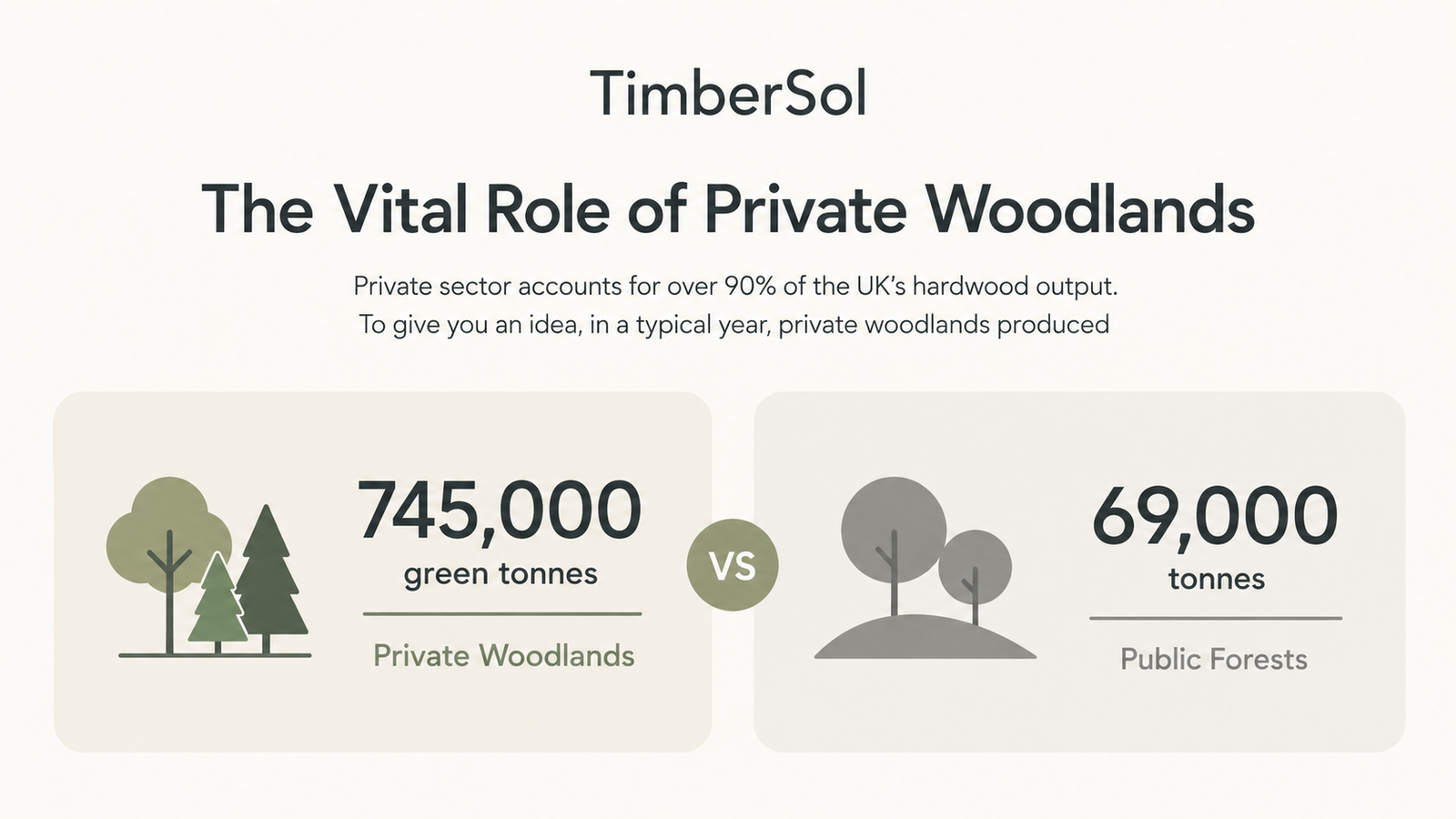
Private sector accounts for over 90% of the UK’s hardwood output. To give you an idea, in a typical year, private woodlands produced a staggering 745,000 green tonnes of hardwood, completely dwarfing the 69,000 tonnes that came from public forests. You can explore more UK timber production trends in this comprehensive forestry data. This really underscores just how critical sustainable management in the private sector is for the whole industry.
Frequently Asked Questions About Hardwood Properties
Diving into the world of timber can feel a bit overwhelming. You’ll hear terms flying around, and it’s not always clear what separates one type of wood from another. Getting to grips with the basic properties of hardwood is the key to understanding why we choose certain timbers for certain jobs, and what really makes them perform the way they do. Let’s tackle some of the most common questions people have.
Why Does Hardwood Cost More Than Softwood?
Hardwood’s higher price tag is a result of its full life cycle. Most hardwood trees are deciduous, and they simply take longer to grow than softwoods. We’re often talking about a century or more to mature, which means decades of careful forest management.
Hardwood’s dense cellular structure makes it tough to work with. You need more powerful, heavy-duty machinery to mill it. Even the drying process is slower, more controlled. If you try to rush the seasoning, you risk the wood cracking or warping, rendering it useless. All that extra time and specialised handling adds up.
Is Hardwood Always Harder Than Softwood?
This is a great question, and the answer often surprises people: no, not always. The names “hardwood” and “softwood” are botanical terms, not indicators of hardness. Hardwoods come from deciduous trees (the ones that drop their leaves each year), while softwoods come from conifers (the cone-bearing, evergreen types).
Generally, the rule holds true – woods like oak and maple are incredibly hard. But there are some famous exceptions. Balsa wood is a hardwood, but it’s one of the softest and lightest woods you can find. On the flip side, Yew can be remarkably hard and durable. A wood’s actual toughness is all about its density, not which botanical family it belongs to.
The true measure of a wood’s resilience against dents and scratches is its Janka hardness rating. This standardized test gives you a reliable number for comparison, which is far more useful than just going by the “hardwood” or “softwood” label alone.
How Does Charring Affect Hardwood Properties?
This is where things get really interesting. Yakisugi (also known as shou sugi ban) improves the wood’s natural properties. By carefully burning the surface, you create a layer of carbon that acts like a natural shield.
This char layer makes the timber far more resistant to moisture, rot, and insects, which is why it’s such a brilliant choice for exterior cladding and fencing. It also creates deep-black finish with a unique texture. On top of that, the carbon layer enhances the wood’s fire resistance, insulating the unburnt core and making it harder for flames to take hold.
At TimberSol, we’ve perfected the art of using this charring process to create timber products that are both beautiful and incredibly long-lasting. If you’re looking for unmatched durability and a truly elegant finish for your next project, take a look at our range of Yakisugi cladding, decking, and fencing.
