
Timber Cladding Internal: Transform Your UK Home Today

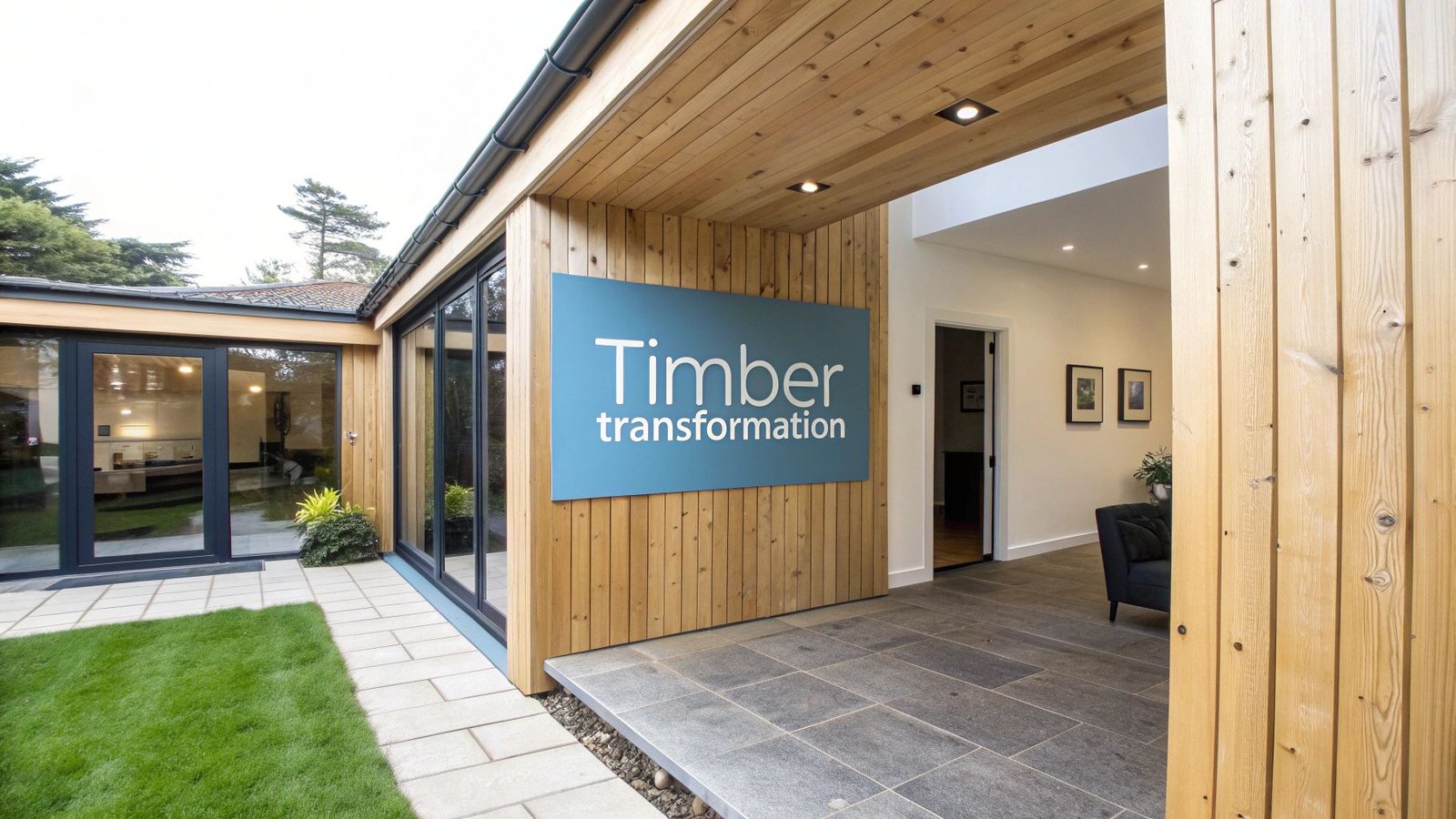
Imagine walking into a room and feeling an immediate sense of warmth and character. That’s the magic of internal timber cladding. It’s far more than just a decorative finish; think of it as a way to wrap your home in nature, creating an atmosphere that paint or wallpaper simply can’t replicate.
Bringing Natural Warmth Indoors with Timber Cladding
This guide is all about showing you how timber cladding can completely reshape your living spaces. It’s an incredibly versatile material that works just as well in a rustic country cottage as it does in a sleek, minimalist apartment. You’re not just covering a wall; you’re adding a layer of organic beauty that plays with light and shadow, changing the feel of the room throughout the day.
We’ll walk you through everything you need to know to bring this idea to life in your own home. We’ll get into the specifics, covering:
- The Look and Feel: Understanding the real aesthetic and practical benefits of cladding.
- Choosing Your Timber: A deep dive into different wood species and finishes to suit your style and budget.
- Design Inspiration: Real-world ideas for everything from statement feature walls to stunning ceiling details.
- Getting it Right: Practical tips on planning, installation, and keeping your timber looking its best.
More Than Just a Wall Covering
Unlike a flat coat of paint, internal timber cladding brings depth, texture, and a real connection to the outdoors. It has the power to make a vast, open-plan space feel more intimate or to add some much-needed architectural interest to a simple, boxy room. The unique grain, knots, and subtle shifts in colour mean every single plank is different, giving your home a truly one-of-a-kind finish.
Bringing natural materials like wood into our homes helps create spaces that don’t just look good, but feel good. It’s a core principle of biophilic design, and it’s a big part of why timber cladding feels so welcoming and calming.
Ultimately, this guide is here to give you the complete picture. From that first spark of an idea to the satisfaction of seeing the final plank in place, you’ll have the confidence to make the right choices. By the end, you’ll see how timber cladding internal can become one of the most defining features of your home, creating a space you’ll love for years.
Why Choose Timber for Your Interior Walls
Choosing a finish for your interior walls goes far beyond picking a paint colour. It’s about creating a mood, an atmosphere, and a space that feels uniquely yours. While a coat of paint on plasterboard gets the job done, timber cladding internal offers a depth of character and a host of benefits that can truly bring a room to life.
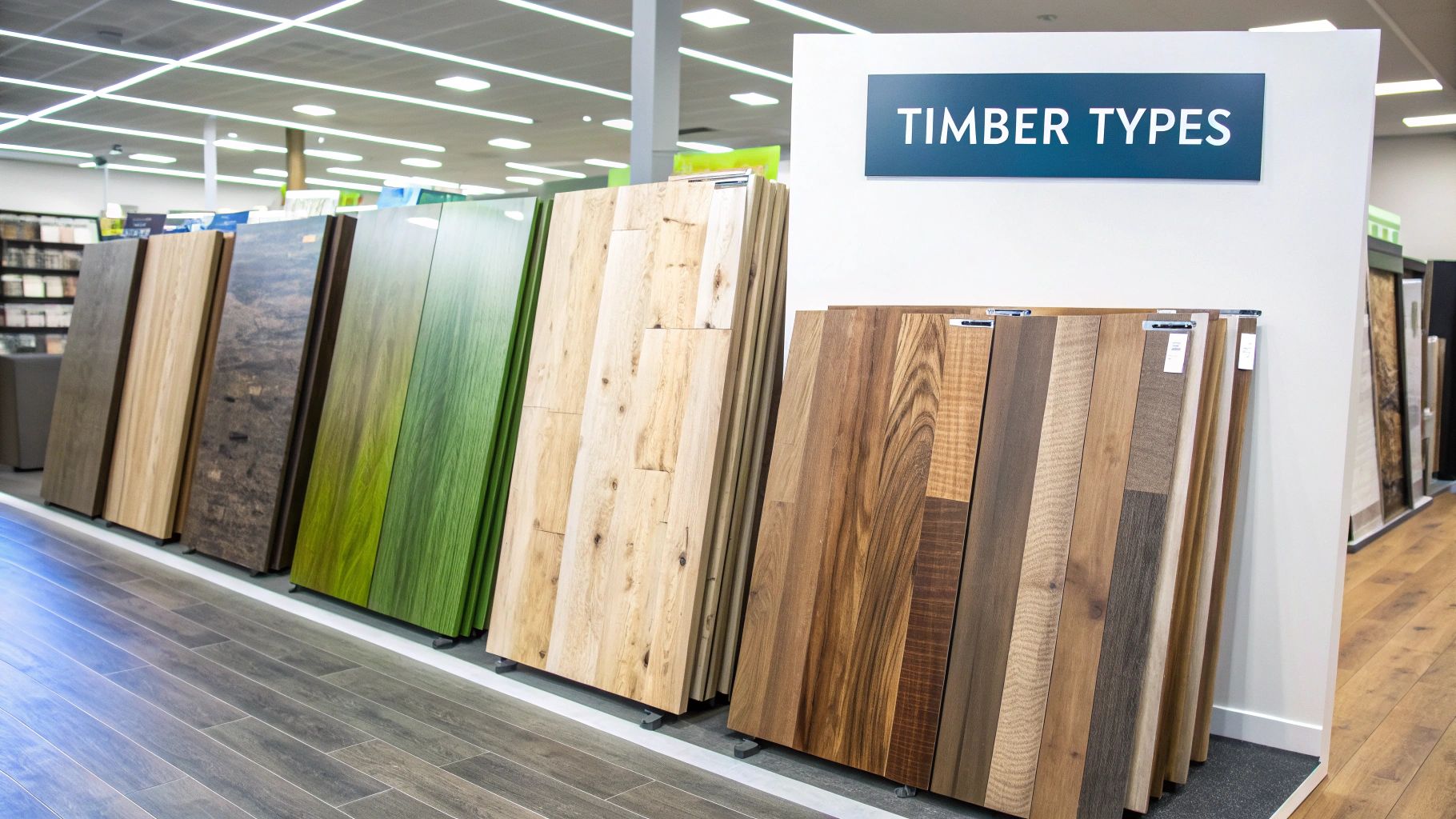
The instant appeal of wood lies in its natural warmth and texture. Each plank tells a story through its unique grain, knots, and subtle variations in colour, creating a surface that is visually rich and incredibly inviting. This organic quality brings a sense of comfort and cosiness that a flat, uniform wall simply can’t match.
This isn’t just a passing trend; it’s part of a wider shift in the UK construction industry towards materials that are both sustainable and beautiful. The market is growing steadily, with projections showing a compound annual growth rate of around 4% between 2025 and 2033. This growth is being fuelled by homeowners looking to add personality and better insulation to their properties. You can dive deeper into the data on the UK’s rising demand for timber cladding over on datainsightsmarket.com.
Creating a Quieter, More Peaceful Home
One of the most surprising benefits of timber cladding is its acoustic performance. Hard surfaces like plaster or concrete tend to bounce sound waves around, creating echoes and making a room feel noisy. Wood, on the other hand, has a natural cellular structure that absorbs sound.
This makes it a fantastic choice for turning down the volume in key areas of your home:
- Living Rooms: It helps soften the sound from televisions and lively conversations, making the space feel more relaxed.
- Home Offices: By reducing distracting echoes from phone calls and keyboards, it helps you concentrate.
- Bedrooms: It can create a quieter, more tranquil sanctuary, which is perfect for a good night’s sleep.
In short, timber cladding acts as a natural sound buffer, transforming a potentially echoey room into a calmer, more acoustically comfortable space.
Improving Thermal Comfort and Efficiency
Beyond acoustics, wood is also a brilliant natural insulator. It has a much lower thermal conductivity than materials like brick, steel, or glass, which means it’s not very good at transferring heat. And in this case, that’s exactly what you want.
When used as timber cladding internal, wood adds an extra insulating layer to your walls. This helps keep your rooms warmer in the winter by slowing the escape of heat, and cooler in the summer by resisting heat coming in from outside.
This improved thermal efficiency is about more than just feeling comfortable; it can genuinely impact your energy bills. By helping maintain a more stable indoor temperature, your heating and cooling systems don’t have to work quite so hard, which can lead to lower energy consumption over time. It’s a practical perk that beautifully complements the material’s aesthetic charm.
Embracing Biophilic Design for Enhanced Well-being
Finally, cladding your walls in timber taps into a powerful idea called biophilic design. The concept is simple: humans have an innate need to connect with nature, and bringing natural elements into the spaces where we live and work can significantly improve our well-being.
Introducing materials like wood indoors has been shown to have real, measurable benefits. It can help reduce stress, lower blood pressure, and increase feelings of calm and creativity. By surrounding yourself with the textures, patterns, and warmth of timber, you’re not just decorating; you’re creating a space that feels restorative and grounding—a proper retreat from the busy world outside.
Choosing the Right Timber Species and Finishes
Picking the right timber is a bit like choosing the perfect paint colour – it completely sets the tone for your space. But with timber cladding internal, your decision goes deeper than just looks. You’re also choosing texture, durability, and a price point that works for you. This choice is really the cornerstone of your project, defining the character of the room before you even hammer in the first nail.
Every type of timber has its own distinct personality. The classic elegance of Oak brings a different feel than the rustic charm of Pine, and the wood you select will radiate a unique energy throughout your home. It’s a sensory choice, too, affecting how light plays across the walls and how the space feels when you run your hand over it.
This visual guide breaks down the key advantages of using internal timber cladding, from acoustic comfort and thermal performance to the stunning visual appeal it brings. 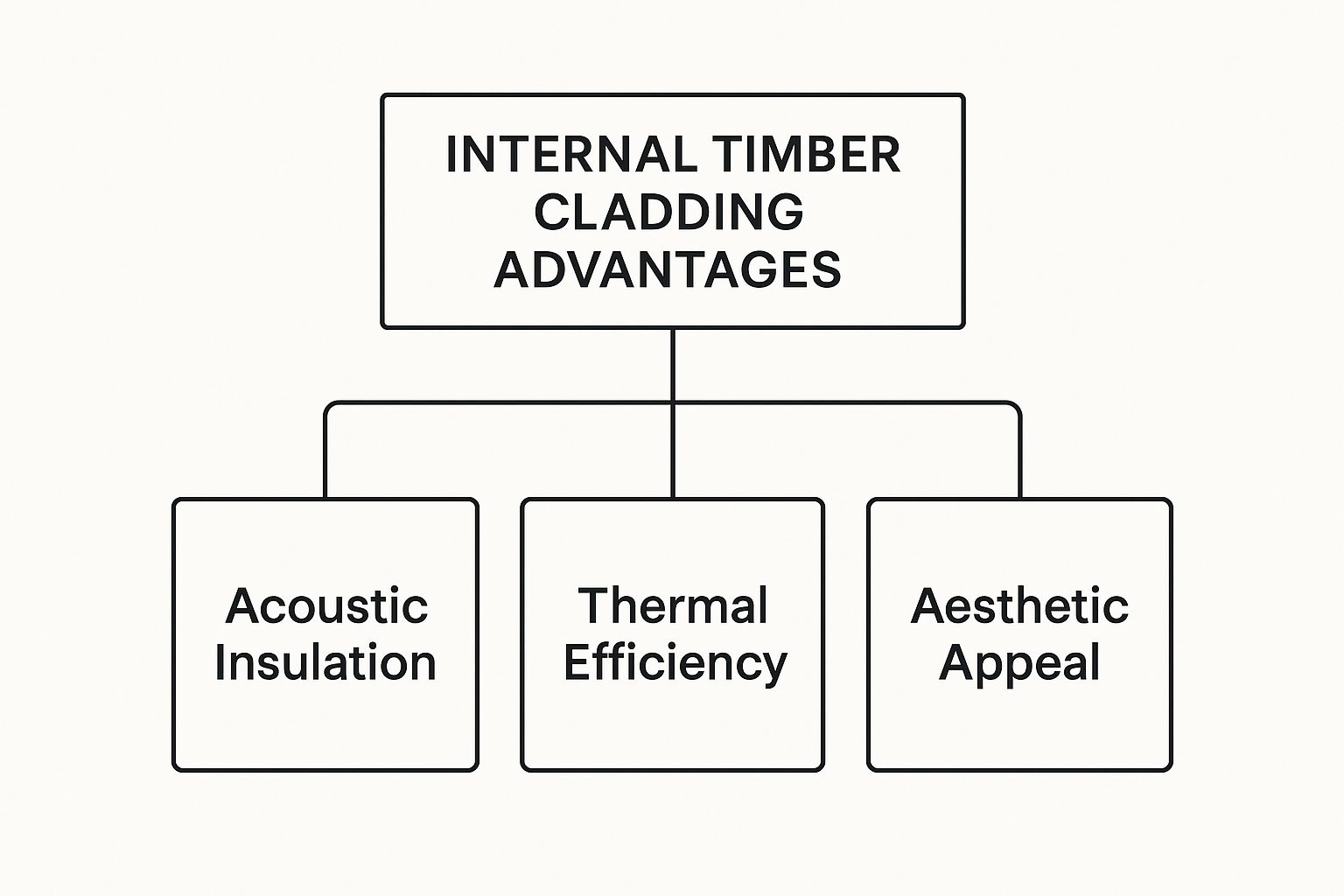 As you can see, the decision to use timber cladding branches out into a whole host of practical and aesthetic benefits that genuinely improve your home environment.
Popular Timber Species for Interior Walls
While the sheer number of options can feel a bit much at first, most interior projects in the UK tend to use a handful of reliable, beautiful timbers. Getting to know their core characteristics is the best way to make a confident decision that brings your vision to life.
- Oak: Famous for its strength and prominent grain, Oak offers a timeless, premium feel. Its warm, honey-toned hues work beautifully in both traditional and modern homes, making it incredibly versatile, though it often comes with a higher price tag.
- Pine: A brilliant, cost-effective choice, Pine is a softwood with a lighter colour and often a knotty appearance that adds character. It’s easy to work with and takes a stain or paint exceptionally well, allowing you to create anything from a bright, Scandi-inspired look to a cosy, rustic retreat.
- Larch: If you’re after durability and a rich, reddish-brown colour, Larch is a fantastic mid-range option. It has a striking grain pattern that adds heaps of visual interest, making it perfect for creating a standout feature wall.
- Cedar: Prized for its lovely aromatic scent and beautiful reddish hues, Cedar is a lightweight yet durable softwood. It’s naturally resistant to decay and brings a touch of spa-like calm indoors, making it a luxurious choice.
Beyond aesthetics, it’s also worth thinking about the environmental impact of your choice. Exploring different sustainable building materials can help you ensure your project is as kind to the planet as it is beautiful in your home.
To make the choice a little easier, here’s a quick comparison of the most popular options.
Comparison of Popular Timbers for Internal Cladding
This table breaks down the key characteristics of common timber species used for interior cladding. It’s designed to help you make an informed choice based on aesthetics, durability, and your budget.
| Timber Species | Appearance (Colour & Grain) | Durability Level | Typical Cost | Best For… |
|---|---|---|---|---|
| Oak | Light to medium brown; prominent, straight grain. | Very High | High | Timeless, high-traffic areas and creating a premium feel. |
| Pine | Pale yellow/white with brown knots; straight grain. | Medium | Low | Budget-friendly projects, rustic styles, and painted finishes. |
| Larch | Warm reddish-brown with a striking, defined grain. | High | Medium | Creating characterful feature walls with a durable finish. |
| Cedar | Rich reddish-browns and amber tones; fine, straight grain. | High | High | Humid rooms like bathrooms or for a luxurious, aromatic feel. |
Each of these timbers has a place, and the best one for you really depends on the look, feel, and function you have in mind for your space.
Exploring Finishes and Special Treatments
Once you’ve settled on the timber, the finish is what truly brings it to life. This final layer not only protects the wood but also fine-tunes its appearance, letting you achieve anything from a subtle, natural look to a rich, glossy sheen.
The finish is your opportunity to either enhance the wood’s natural character or alter its colour completely. It’s the final brushstroke that completes the picture, protecting your investment while perfecting the aesthetic.
Some of the most common finishes you’ll come across are:
- Oils: These soak deep into the wood, nourishing it from the inside out. They create a very natural, matte or satin look that does a wonderful job of highlighting the grain.
- Waxes: Often applied over an oil or a sealer, wax gives a soft, low-sheen finish that feels lovely to the touch and adds a helpful layer of moisture resistance.
- Lacquers: For a tougher, more hard-wearing surface, lacquers form a protective film over the wood. You can get them in finishes ranging from completely matte to high gloss.
The Dramatic Effect of Yakisugi
For a truly distinctive and dramatic finish, it’s worth looking into an ancient Japanese technique called Yakisugi. The method, sometimes known as shou sugi ban, involves carefully charring the surface of the wood to preserve it. The result is a stunning, deep black, textured finish that is both incredibly durable and visually striking.
The charring process creates a carbonised layer on the outside of the wood that is naturally resistant to water, fire, and pests. While it was traditionally used for exterior cladding, it’s becoming increasingly popular for creating breathtaking internal feature walls. To get a better grasp of different wood types before finishing, our guide on solid wood vs engineered wood is a great place to start. Yakisugi offers a bold, modern aesthetic that beautifully showcases the wood’s underlying grain, giving you a finish that is truly a work of art.
Design Inspiration for Your Timber Cladding Project
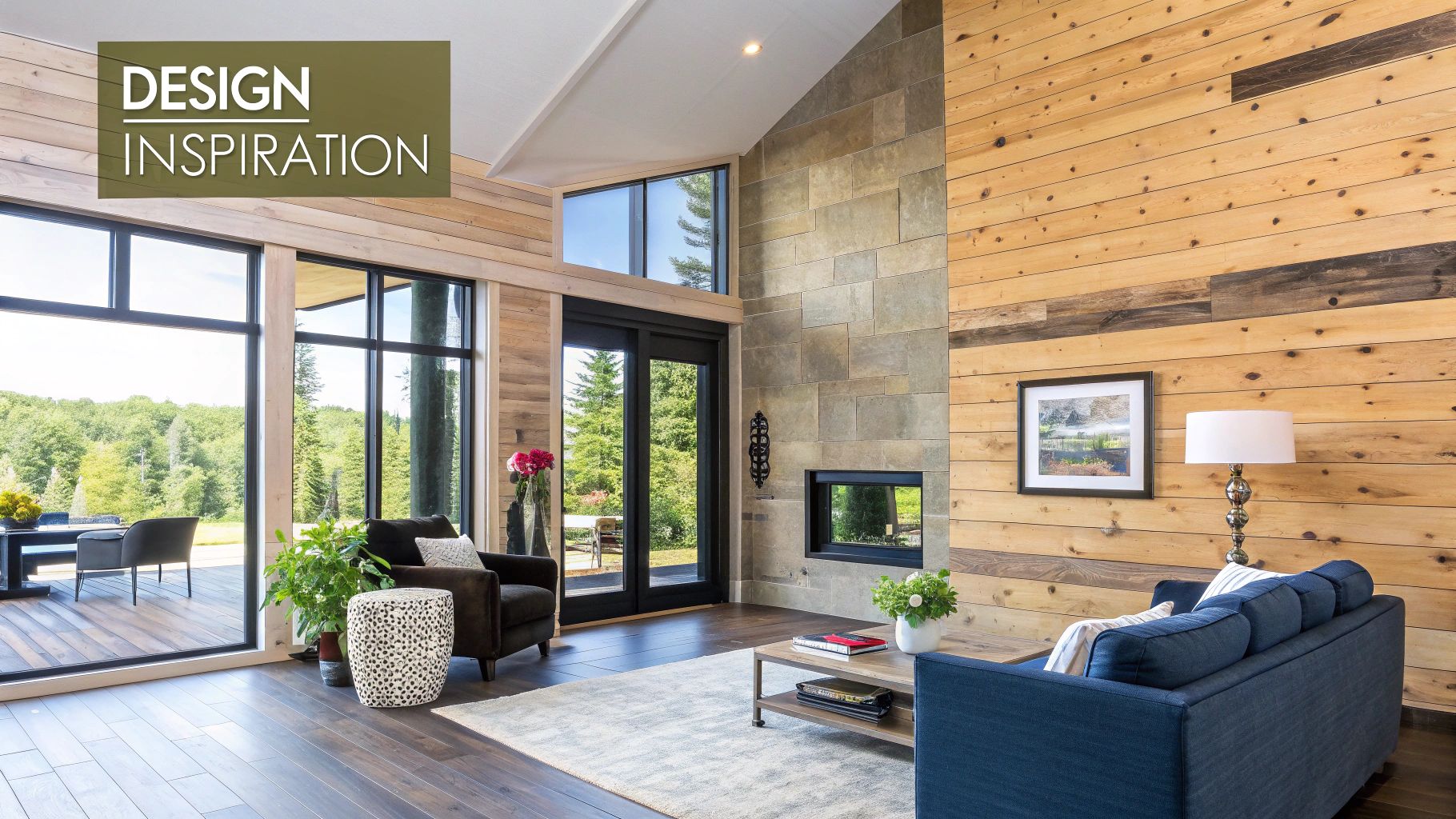
Right, you’ve got a handle on the benefits and the different types of timber available. This is where the real fun begins. Now we get to move from the technical side of things to the creative, exploring how timber cladding internal can completely transform a room into something special. It’s an incredibly versatile material that can deliver anything from a subtle, rustic accent to a bold, architectural statement.
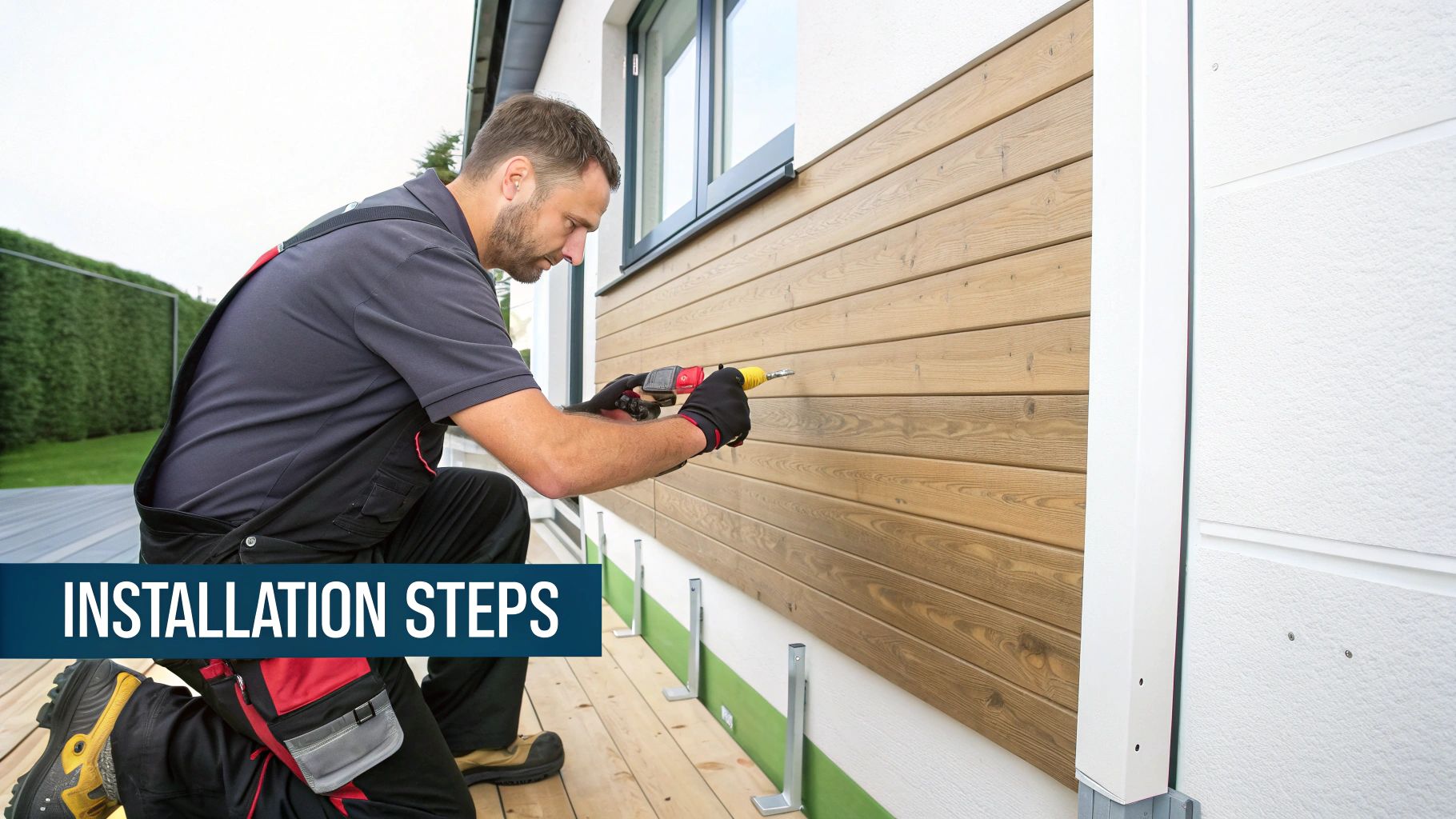
The beauty of cladding is its power to reshape a room’s entire feel. Forget flat, boring walls; timber brings in texture, depth, and a wonderful play of light and shadow that changes throughout the day. Let’s look at a few real-world ideas to get your imagination going.
Creating a Breathtaking Feature Wall
A feature wall is probably the most popular way to use internal timber cladding, and for good reason. A full-height timber wall can feel like a natural work of art, creating a warm, organic backdrop for a sofa in the living room or behind the headboard in a bedroom. It immediately draws the eye and gives the space a solid anchor point.
For a more contemporary vibe, think about a slatted design. Using thin, evenly spaced timber slats creates clean, crisp lines that feel modern and sophisticated. This is especially effective for a media wall, where it can cleverly hide cables and provide a sleek, integrated background for your TV and sound system.
If your tastes are more traditional or rustic, cladding a chimney breast is a timeless choice. It dials up the cosiness and character, making the fireplace an even more inviting focal point. The natural warmth of the wood is the perfect partner for the glow of a real fire.
The Power of Pattern and Direction
Don’t just think about the timber itself; think about how you lay it. The way you install the cladding boards can dramatically change how a room feels. Your chosen pattern isn’t just a decorative touch; it’s a powerful design tool that can make a space feel bigger, taller, or more dynamic.
Here are the three main installation patterns and the effect they create:
- Vertical Cladding: Installing boards vertically draws your eye upwards, creating the illusion of height. This is a brilliant trick for rooms with lower ceilings, as it makes the space feel far more open and airy.
- Horizontal Cladding: Laying boards horizontally tends to make a room feel wider and more expansive. This is a great approach for narrower spaces like hallways or for bringing a sense of calm and stability to a larger room.
- Herringbone Pattern: For a real show-stopper, a herringbone or chevron pattern creates a feeling of movement and energy. It’s a more complex installation, no doubt, but the result is a sophisticated, high-impact feature that adds a genuine touch of luxury.
Think of your cladding pattern as the visual grammar of the room. It directs the eye, sets the pace, and can fundamentally change how a person experiences the space, turning a simple wall into a dynamic architectural element.
Thinking Beyond the Obvious Walls
While feature walls are a fantastic starting point, don’t let your imagination stop there. Internal timber cladding is versatile enough to be used in some truly creative and unexpected ways to add bespoke architectural interest.
Why not consider these less conventional ideas?
- Ceilings: Cladding a ceiling can make a large, cavernous room feel cosier and more intimate. On a vaulted ceiling, it adds incredible warmth and really draws attention to the room’s architecture.
- Hallways and Entrances: Hallways are often overlooked, but they’re the perfect place for a timber feature. A clad wall can add bags of character to a long, narrow corridor and create a warm, welcoming first impression as people enter your home.
- Home Offices: In a dedicated workspace, a timber wall can help create a calm, focused atmosphere. The natural material is great for absorbing sound and cuts through the sterile feel that many office environments have.
By thinking creatively, you can use timber cladding internal to elevate any part of your home. For more real-world examples and ideas, be sure to explore our inspiration gallery to see how others have transformed their spaces.
Getting to Grips with Installation and Costs
https://www.youtube.com/embed/O_oDRV1d7wE
So, you’ve picked your timber and visualised the finished look. Now for the practical bit: actually getting it on the wall and figuring out the budget. A stunning timber cladding internal project is as much about careful planning and a solid installation as it is about the wood itself. Let’s break down what you need to know to move from idea to reality without any nasty surprises.
The first step, and one you absolutely cannot skip, happens before a single tool comes out of the box. Timber is a natural material; it breathes and reacts to the air around it. That’s why letting it acclimatise is essential. Lay the boards flat in the room they’re destined for and leave them for at least a week. This gives them time to get used to your home’s specific temperature and humidity.
It might seem like a delay, but this simple act of patience prevents the timber from warping, shrinking, or expanding later on, which is key to a finish that looks great for years.
The Nuts and Bolts of Installation
Once your timber has settled in, it’s time to prep the wall and get the boards mounted. A perfect finish relies on a solid foundation, so it’s a bit more involved than just sticking planks to plaster.
The key stages look something like this:
- Wall Preparation: Your wall needs to be clean, dry, and flat. Any serious bumps or lumps will throw off the finish, so sand them down first.
- Installing Battens: It’s standard practice to fix timber battens (thin strips of wood) to the wall first. These create a small but vital air gap between the cladding and the wall, which helps with ventilation and stops moisture from getting trapped.
- Fixing the Cladding: With the battens in place, you can start fixing the boards. You can use visible nails for a more rustic feel or go for a ‘secret’ nailing technique through the tongue of the board for a clean, modern look.
Think of the battens as the unsung heroes of your cladding project. They provide the stable framework for the boards and create that all-important air gap, protecting both the wood and your wall structure for the long haul.
DIY Job or Call in a Pro?
This is a big question. If you’re a confident DIYer with a decent set of tools and a bit of patience, a simple feature wall is a fantastic weekend project. The work is methodical, but you need a keen eye for detail.
However, if you’re planning something more ambitious—like a herringbone pattern, a ceiling installation, or you’re working with an old house with wonky walls—hiring an experienced carpenter is often the best money you’ll spend. A professional not only guarantees a flawless finish but will get it done far more quickly, saving you a world of time and potential frustration.
Breaking Down the Costs
No one likes a budget that spirals out of control. For timber cladding internal, the total cost really boils down to three things: the wood, the labour, and the extra bits and pieces.
- Timber Costs: This is where the price can vary hugely. Pine is your most wallet-friendly choice, often starting from around £25 per square metre. Mid-range timbers like Larch might sit in the £40-£60 bracket, while premium woods like Oak or Cedar can easily be £70 per square metre or more.
- Labour Rates: If you hire a pro, you can expect to pay a day rate somewhere between £150 and £250 for a skilled carpenter in the UK, depending on where you live. A straightforward feature wall will likely take a day or two.
- Additional Materials: Don’t forget to factor in the cost of battens, fixings (nails or screws), and your chosen finish (oils, waxes, etc.). These will add a small percentage to your overall material spend.
The UK timber market is always on the move, shaped by everything from supplier competition to the wider economy. With property transactions seeing a huge jump of 28.1% in early 2025 compared to last year, the appetite for quality building materials is as strong as ever. You can learn more about the trends shaping the United Kingdom timber cladding market to get a better sense of the landscape. By getting a few quotes and pricing up your materials carefully, you can build a realistic budget and invest in your project with total confidence.
Maintaining Your Internal Timber Cladding
One of the best things about bringing timber cladding indoors is just how little fuss it is. It’s incredibly durable and ages beautifully, meaning your investment is protected by simple, commonsense care, not a complicated cleaning schedule. Keeping your timber walls looking their best for years to come is surprisingly straightforward.
The cornerstone of good maintenance is nothing more than regular, light cleaning. A quick wipe-down with a soft, dry microfibre cloth is usually all you need to handle everyday dust. If you spot any minor marks, a slightly damp cloth will typically do the trick—just be sure to gently dry the area afterwards.
The golden rule is to steer clear of harsh chemical cleaners, abrasive sponges, and soaking the wood with water. These are the quickest ways to strip the protective finish, which can lead to discolouration and lasting damage. Gentle care is truly the secret to its longevity.
Routine Care and Minor Repairs
Life happens, and the odd scuff or scratch is bound to appear. Don’t panic. For small surface scratches on an oiled or waxed finish, you can often buff the area gently with a soft cloth to make it disappear. For a slightly deeper mark, applying a tiny amount of a matching oil or wax with a cloth will help the repair blend in seamlessly.
Your home’s environment also plays a role in your timber’s health. Wood is a natural material that responds to its surroundings, so keeping humidity levels stable is important. Learning some effective humidity control tips for wood can go a long way in preventing any potential warping or movement over time.
Refinishing for Long-Term Beauty
After many years, you might find the finish starts to look a bit tired, particularly on walls that get a lot of direct sunlight. This is completely normal, and revitalising the wood with a fresh coat of oil is a simple weekend job.
How often you’ll need to do this depends on a few things:
- The Finish Type: Oiled finishes are incredibly easy to top up. Indoors, you might only need to apply a fresh coat every 5-10 years, sometimes even longer.
- Sunlight Exposure: Walls basking in bright, daily sunlight might benefit from a re-oil a little more frequently to prevent the colour from fading.
- Wear and Tear: A feature wall in a busy hallway will naturally see more action than one in a quiet bedroom and might need attention sooner.
This simple, periodic care is all it takes to restore the timber’s natural lustre and protective layer, ensuring it remains a stunning, timeless feature in your home. For a deeper dive into looking after wood, check out our guide on https://timbersol-backup.elnoirstudio.com/blog/how-to-preserve-wood-naturally/.
A Few Final Questions About Timber Cladding
It’s completely normal to have a few lingering questions before you dive into a project like this. Even after exploring all the design ideas and benefits, you want to be sure. Let’s tackle some of the most common queries we get about using timber cladding inside the home, so you can move forward with total confidence.
We’ll cover some important practicalities like fire safety, using timber in tricky rooms like kitchens, and what all those eco-labels actually mean.
Is Internal Timber Cladding Fire Safe?
That’s a very fair and important question. Let’s be honest: wood is naturally combustible. But that absolutely doesn’t mean it’s unsafe for indoor use. For most situations, like a feature wall in your living room or bedroom, it poses no real risk as long as it’s installed properly and kept away from direct heat sources like a fireplace opening.
When you need a higher level of fire safety, perhaps for a commercial project or a block of flats where building regulations are much stricter, you can get timber treated with special fire-retardant chemicals. These treatments are fascinating; when they get hot, they trigger a chemical reaction that creates a layer of char on the wood’s surface. This char layer acts as a barrier, slowing down the spread of flames significantly.
Think of a fire-retardant treatment as a built-in safety system. It doesn’t make the wood fireproof, but it gives it a much better fire performance rating, buying crucial time if the worst should happen. This makes treated timber a safe, compliant, and stylish choice for almost any interior project.
Can You Use Timber Cladding in Bathrooms or Kitchens?
Yes, you certainly can! Using timber cladding internal in a bathroom or kitchen can look incredible, creating a warm, spa-like feel. The secret, however, is being smart about your choices.
First, you need the right type of wood. Some timbers are naturally better at handling moisture than others. Cedar is a fantastic option because its natural oils act as a built-in water repellent, helping to fend off rot. Larch is another tough contender that holds its own in damp environments.
Just as important is the finish. This is non-negotiable. You must seal the wood with several coats of a quality, water-resistant lacquer or a hardwax oil. This creates a tough barrier that prevents steam and splashes from soaking into the timber, which would otherwise lead to warping or mould. Get the prep work right, and your timber will look stunning for years, even in the steamiest of rooms.
What Do FSC or PEFC Certifications Mean?
When you’re looking at timber and see a logo for FSC (Forest Stewardship Council) or PEFC (Programme for the Endorsement of Forest Certification), it’s a mark of assurance. It’s an independent guarantee that the wood you’re buying has come from a responsibly managed forest.
What does that mean in practice? It means the forest is being looked after for the long term. For every tree that is cut down, new ones are planted. It also means the forest’s delicate ecosystem and biodiversity are protected, and that the rights of local workers and indigenous communities are respected.
Choosing certified timber is one of the easiest ways to make sure your project is as kind to the planet as it is beautiful. It’s your peace of mind that your stunning new wall hasn’t come at the cost of deforestation, making it a truly responsible choice for your home.
At TimberSol, creating beautiful and resilient timber solutions is what we do best. We specialise in the ancient Japanese art of Yakisugi, a charring method that results in a uniquely stunning and incredibly durable finish for cladding, decking, and fencing. Discover our range of high-quality charred timber products at https://timbersol-backup.elnoirstudio.com and let us help you bring a touch of timeless elegance to your next project.
